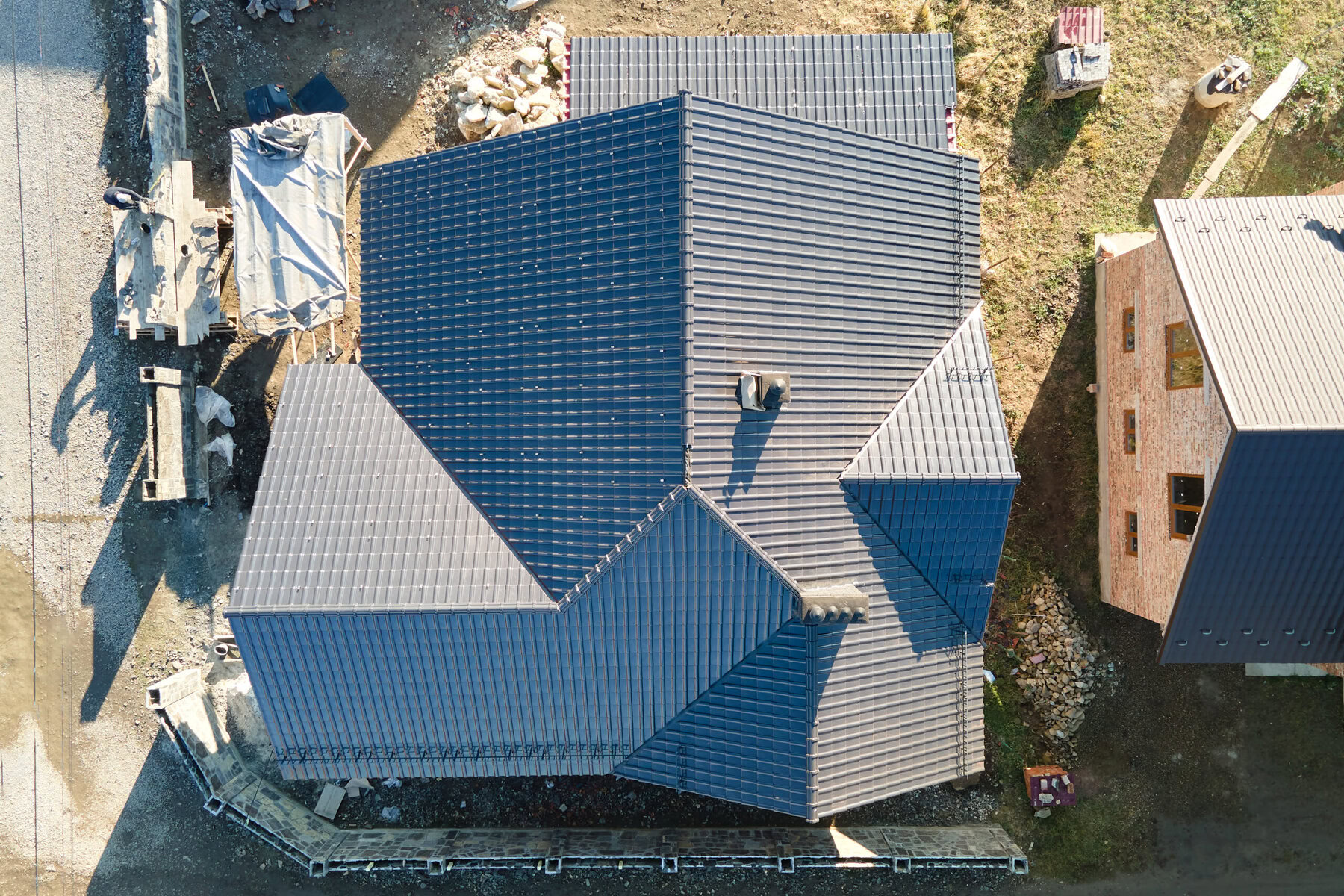
Look, let’s be honest. If you own a home in Reseda, you probably aren’t thinking about your roof until you absolutely have to. It’s out of sight, out of mind, until that first drip hits the living room floor or a neighbor points out a missing shingle. But here’s the thing we’ve learned from crawling over hundreds of roofs in the San Fernando Valley: by the time you see a leak inside, the problem outside has been festering for months, maybe years. The real trick isn’t emergency repair; it’s understanding the unique, slow-burn threats to your specific roof before they become a crisis.
Key Takeaways
- Reseda’s combination of intense sun, occasional heavy rain, and older construction creates predictable roof failure patterns.
- A true inspection goes beyond shingles, focusing on flashings, vents, and the often-neglected underlayment.
- DIY maintenance is possible for the vigilant, but knowing when to call a pro saves money and prevents catastrophic damage.
- The right maintenance schedule directly impacts your home’s value and insurance standing in our local market.
Table of Contents
What We Actually Look For Up There
When we do an inspection, we’re not just checking a box. We’re playing detective, looking for the story of what your roof has endured. In Reseda, that story usually has a few consistent chapters.
Sun Damage is a Silent Killer. People worry about rain, but the sun is the real enemy. Day after day of UV radiation bakes asphalt shingles, making them brittle and causing the protective granules to wash away. You’ll see this as bald spots on shingles or a buildup of granules in your gutters. Once those granules are gone, the asphalt underneath deteriorates rapidly. We see this accelerated on south- and west-facing slopes, especially on homes without adequate tree cover.
The Flashing is Where It Usually Fails. Shingles get all the attention, but 90% of leaks start at the flashings—the metal pieces that seal joints around chimneys, vent pipes, skylights, and where the roof meets a wall. The expansion and contraction from our daily temperature swings work these metal pieces loose over time. Caulk dries out and cracks. It’s a guaranteed failure point on any roof over 15 years old.
The DIY Inspection: A Homeowner’s Ground Guide
You don’t need to get on the roof to spot major red flags. Do this simple walk-around every season, especially after our rare but heavy winter rains or the Santa Ana winds.
First, grab some binoculars and walk your property. Look for shingles that are curled, cracked, or completely missing. Pay special attention to areas near chimney stacks or plumbing vents. Check your gutters and downspouts; are they sagging, full of debris, or pulling away from the fascia? That’s a sign of potential water damage behind them.
Next, head into your attic on a bright day. Turn off the lights and look for any pinpricks of daylight coming through the roof deck. Those are direct paths for water. Feel for dampness on the wood, look for dark stains, and check for any mold or mildew. This interior check is the most telling, as it shows you the results of a roof failure, not just the potential for one.
When “Just Re-Caulking It” Makes Things Worse
This is a classic homeowner mistake we see all the time. You notice a little crack in the flashing around a vent pipe, so you buy a tube of roof caulk and seal it up. Problem solved, right? Often, you’ve just created a bigger one.
That caulk is a temporary seal at best. It will dry, crack, and fail again, usually within a year or two. But now, you’ve trapped moisture behind the caulk. Water that might have evaporated or been minor now gets trapped, accelerating rot in the roof deck and potentially the structural framing. It also masks the real problem from a professional who might inspect it later. The proper repair usually involves carefully lifting the surrounding shingles, replacing the compromised flashing material, and integrating a new piece with the existing underlayment. It’s a surgical procedure, not a band-aid.
The Professional Inspection: What You’re Really Paying For
Hiring a pro isn’t just about having someone get on the roof. It’s about getting a systematic evaluation and a prognosis. A proper inspection from a local company should cover three layers:
- Surface Layer: Shingle condition, granule loss, moss/algae growth, and the integrity of all flashings, vents, and penetrations.
- Structural Layer: The decking (from inside the attic) for soft spots, sagging, or rot. The condition of the fascia and soffits, which are critical for ventilation.
- Performance Layer: An assessment of ventilation (a huge issue in our heat) and insulation, as improper attic temps can literally cook a roof from the inside out.
They should provide a detailed report with photos, not just a verbal estimate for a new roof. The report should categorize issues: immediate repairs, recommended maintenance, and long-term watch items. This document is gold—it’s what you can use for insurance claims, to dispute a failed home sale inspection, or to plan your budget.
Reseda-Specific Considerations You Can’t Ignore
Our neighborhood has character, and that character comes with quirks. Many homes in the areas off Reseda Blvd or near the Sepulveda Basin are on the older side. That means you might be dealing with original materials from the 60s or 70s that are well past their lifespan.
Furthermore, the soil composition and settling in parts of the Valley can lead to subtle foundation shifts. This doesn’t just affect your doors and windows; it can twist the entire roof structure, creating stress points at valleys and ridges that become leak zones. Also, if you’re south of the 101, you’re in a slightly different microclimate than someone north of it—less marine layer, more direct sun. It changes the degradation timeline.
Repair vs. Replacement: The Honest Math
This is the big question. The salesy answer is always “replace.” The realistic answer depends on a cost-benefit analysis over a 5-7 year window. We often lay it out for homeowners with a table like this:
| Scenario | Typical Cost Range (Reseda) | Pros | Cons & The “Catch” |
|---|---|---|---|
| Targeted Repair | $500 – $3,000 | Solves an immediate leak. Preserves existing roof life. Much lower upfront cost. | Doesn’t address systemic aging. Can be recurring. May be difficult to color-match old materials. |
| Full Roof Replacement | $12,000 – $25,000+ | 25+ year solution. Modern materials & warranties. Improves curb appeal & home value. | Major capital investment. Disruption for 2-4 days. Requires vetting a quality contractor thoroughly. |
| Major Restoration (Over 40% of roof) | $4,000 – $10,000 | Addresses widespread wear without full tear-off. Can include new underlayment. | “Money pit” risk. You’re investing heavily in an aging system. Warranty is often limited. |
The trade-off is simple: repairs are a tactical spend, replacement is a strategic investment. If your roof is 20 years old and you’re fixing the third leak in five years, you’re throwing good money after bad. Conversely, if it’s 12 years old and a windstorm took out one section, a repair is perfectly logical.
Why Ventilation Isn’t a Boring Side Note
In our climate, a poorly ventilated attic can reach 150°F. That heat doesn’t just make your AC bill soar; it superheats the shingles from underneath, cutting their lifespan in half. It also causes moisture from your home to condense in the attic, leading to mold and wood rot. It’s a double whammy.
A key part of any maintenance check is ensuring your soffit vents aren’t blocked by insulation and that your ridge or gable vents are open and functional. Sometimes, the single best “maintenance” move you can make isn’t on the roof surface at all—it’s adding a few more ventilation channels to let that trapped heat escape.
The Final Word: Building a Relationship, Not a Transaction
Think of your roof like your health. An annual check-up is cheaper and less painful than emergency surgery. For a homeowner in Reseda, that means a quick DIY visual check each season and a professional, documented inspection every 2-3 years. This rhythm lets you budget proactively, spot trends, and make decisions from a position of strength, not panic.
The goal is to protect the asset you’ve built in this community. A sound roof over a home in Reseda isn’t just about avoiding leaks; it’s about preserving the comfort, safety, and value of your piece of the Valley for the long haul. It’s what lets you sleep soundly, even when the rain finally does come.