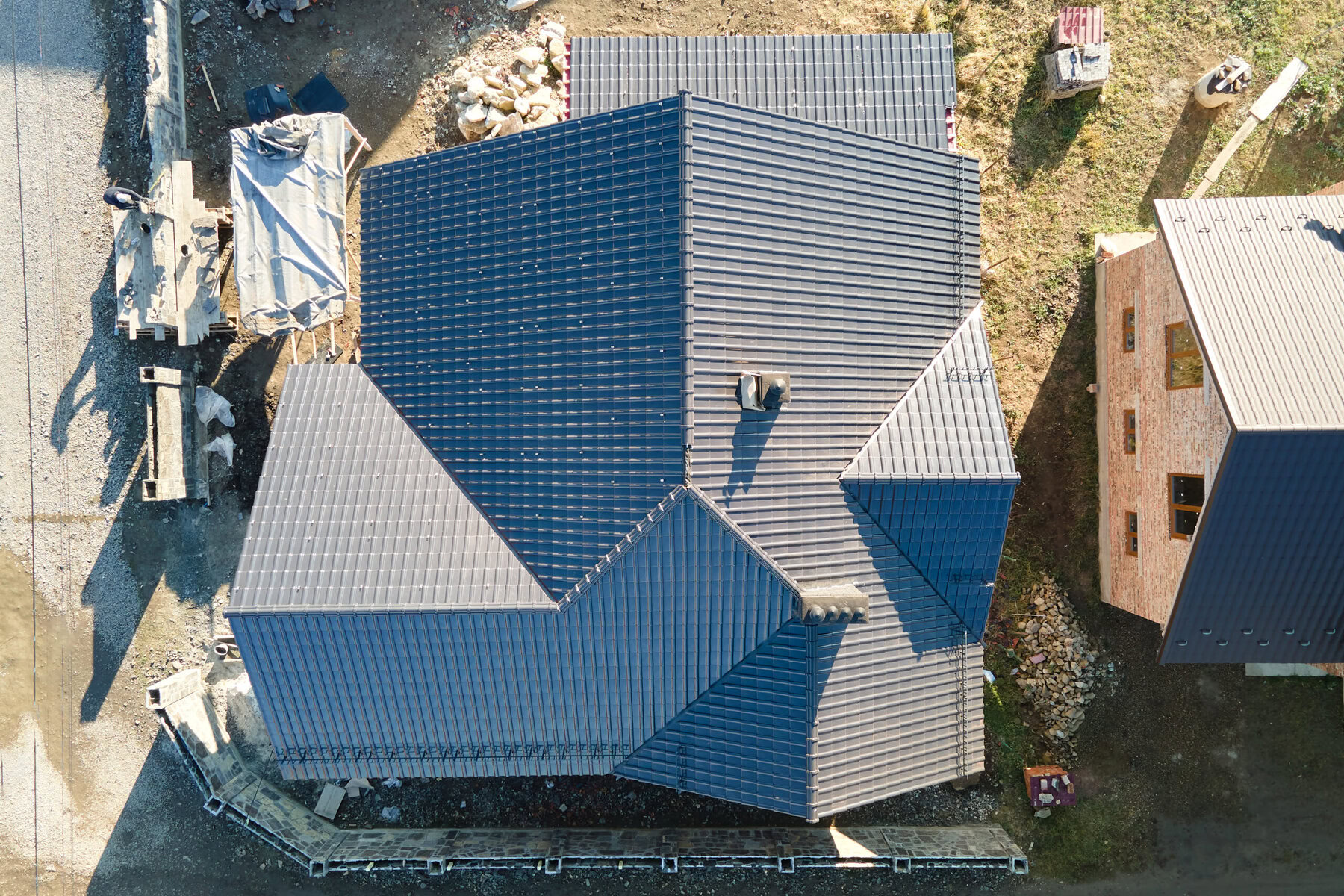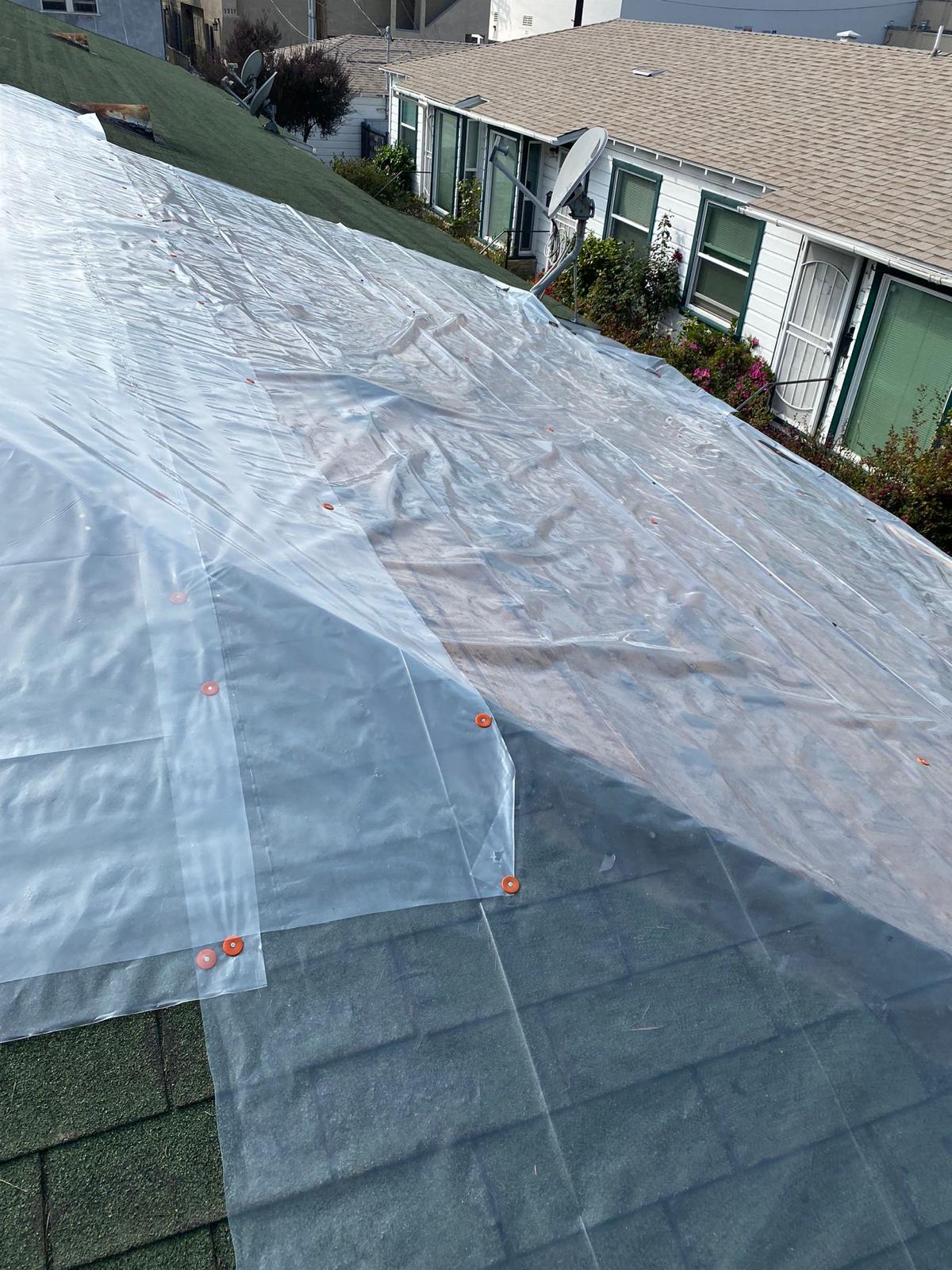
You’d think after a few years in this business, the question would get old. But every single time a homeowner in Los Angeles sits down with us, the same thing comes up: “We love the look of tile, but metal seems smarter for the long haul. What actually costs less?” And honestly, that’s the wrong question to lead with. Not because cost doesn’t matter—it does, deeply—but because the real math isn’t just about the price tag on the estimate. It’s about what happens five years in, ten years in, and after the next big Santa Ana wind event.
We’ve been through enough of these conversations at California Green Roofing to know that the decision between metal and tile in this climate comes down to three things: your specific roof geometry, how long you plan to stay in the house, and whether you’ve factored in the hidden costs that nobody talks about at the kitchen table. Let’s walk through what we’ve actually seen in the field.
Key Takeaways
- Metal roofing in California can cost $8–$16 per square foot installed, while tile runs $10–$20 per square foot, but those numbers shift dramatically based on structural modifications.
- Tile requires a reinforced roof deck in most Los Angeles homes built before 1990, which adds $3,000–$8,000 in engineering and framing work that metal typically doesn’t need.
- Insurance premiums can be lower with metal in high-fire-risk zones, saving homeowners several hundred dollars annually.
- Tile’s lifespan can exceed 50 years, but its weight and fragility mean higher maintenance costs and more frequent repairs after storms.
- The “cheaper” option upfront often becomes the more expensive one if you’re factoring in long-term maintenance, energy savings, and resale value.
Table of Contents
The Upfront Cost Trap
Let’s get the sticker shock out of the way. A standard asphalt shingle roof is still the cheapest option in Southern California, but nobody reading this is considering that. You’re looking at premium materials, and both metal and tile command a premium for good reason.
For a typical 2,000-square-foot home in Los Angeles, a standing seam metal roof runs somewhere between $16,000 and $32,000 installed. Concrete tile lands in a similar range—$20,000 to $40,000—but here’s where it gets messy. Clay tile, the kind you see on those beautiful Spanish Revival homes in Santa Monica or the Craftsman bungalows in Highland Park, can push past $50,000 easily. And those numbers assume a straightforward install.
What we see all the time is a homeowner falls in love with the look of barrel tile, gets a quote that seems reasonable, and then the structural engineer shows up and says the roof trusses need reinforcement. Suddenly that $25,000 quote becomes $33,000 before a single tile is laid. Metal is lighter—about 1.5 pounds per square foot versus 9–12 pounds for concrete tile—so most homes can handle it without extra framing. That alone can be a $5,000 swing in real-world costs.
Why Tile Can Surprise You Down the Road
Tile has a romantic quality to it. It’s what people picture when they think of a classic California home. And honestly, when it’s installed right, it’s gorgeous. But we’ve replaced enough tile roofs that were supposedly “fine” to have a healthy skepticism.
The biggest issue we run into is broken tiles. After a windstorm—and yes, we get those in LA, especially in the foothills near Griffith Park or up in the Hollywood Hills—tiles crack, shift, or slide off entirely. The repair isn’t just the cost of a new tile. It’s finding a match for a 20-year-old color that’s been discontinued. It’s the labor of pulling up surrounding tiles to access the broken one without damaging the underlayment. And it’s the risk that the underlayment itself has been baking in the sun for two decades and is now brittle.
We’ve had customers tell us they spent $2,000 patching a tile roof after a moderate storm, only to find another leak six months later because a different tile had cracked during the repair process. That’s not bad workmanship—it’s the nature of the material.
Where Metal Earns Its Keep
Metal roofing gets a reputation for being noisy in the rain, and sure, if you install it over open rafters in a barn, it’s loud. But modern standing seam metal roofs installed over solid sheathing with proper insulation are quieter than tile. We’ve done retrofits in older neighborhoods like Silver Lake and Echo Park where homeowners were shocked at how much quieter their home became after switching from old composition shingles to metal with a foam underlayment.
The real win with metal in California is fire resistance. If you live in a Very High Fire Hazard Severity Zone—which covers huge swaths of Los Angeles County, including parts of Topanga, Woodland Hills, and Altadena—metal is essentially non-combustible. Tile is fire-resistant too, but embers can get under lifted tiles and ignite the underlayment. Metal’s interlocking panels create a much tighter seal. We’ve had insurance agents tell homeowners that switching to metal dropped their annual premium by 15 to 25 percent. Over ten years, that’s real money.
The Hidden Cost of Weight
If you’re considering tile, you need to know what your roof structure can handle. Most homes built in Los Angeles before the 1990s were designed for lighter roofing materials. The building code has gotten stricter, but that doesn’t retroactively strengthen your rafters.
We worked on a home near the Los Angeles River in Atwater Village a few years back. The owners wanted authentic clay barrel tile. Beautiful choice. But when we opened up the attic, we found the existing rafters were 2x6s spaced 24 inches on center—standard for the 1940s. That setup wouldn’t support tile without significant reinforcement. The engineering alone was $1,200, and the framing modifications came to nearly $7,000. The homeowners ended up choosing a standing seam metal roof instead, and they’ve been happy with it. But that was a hard conversation to have after they’d already picked out tile samples.
Metal doesn’t have that problem. It’s light enough that most structures can handle it without modification. If you’re on a budget and your house is older, metal is almost always the safer bet structurally.
Energy Efficiency in Real Life
Both materials reflect heat better than asphalt, but metal has a clear advantage when paired with a cool roof coating. In Los Angeles, where summer temperatures regularly hit the 90s, a cool metal roof can reduce attic temperatures by as much as 50 degrees compared to a dark tile roof. That translates to lower cooling costs and less strain on your HVAC system.
Tile does have natural thermal mass—it absorbs heat during the day and releases it at night. That can be beneficial in some climates, but in Southern California, where nights are still warm, you’re essentially paying to cool a roof that’s radiating heat back into your home until 2 AM. We’ve seen energy bills drop 10 to 15 percent after switching from dark concrete tile to light-colored standing seam metal.
That said, if you’re committed to the tile aesthetic, light-colored clay tiles with a cool roof rating perform much better than dark concrete. It’s not that tile is bad—it’s that the color and finish matter enormously.
Maintenance Realities
| Factor | Metal Roof | Tile Roof |
|---|---|---|
| Lifespan | 40–70 years | 50–100+ years |
| Annual maintenance cost | $150–$300 | $300–$600 |
| Common repairs | Loose fasteners, scratches | Broken tiles, slipped tiles, underlayment failure |
| Repair difficulty | Moderate (requires matching finish) | High (color matching, fragile handling) |
| Fire resistance | Excellent (Class A, non-combustible) | Good (Class A, but embers can penetrate gaps) |
| Weight per sq ft | 1.0–1.5 lbs | 9–12 lbs |
| Energy savings potential | High with cool coating | Moderate with light colors |
| Insurance impact | Often lower premiums | Typically neutral |
The table above isn’t theoretical. These are numbers we’ve gathered from our own service records and customer follow-ups over the past decade. The maintenance cost difference alone is worth paying attention to. Tile roofs need someone walking on them at least once a year to check for cracks and slipped tiles, and every time a contractor walks on tile, there’s a risk of breakage. Metal can be walked on more safely, though you still want to avoid unnecessary foot traffic.
When Tile Actually Makes More Sense
We don’t want to sound like we’re pushing metal on everyone. Tile has its place. If you own a historic property in a neighborhood like West Adams or Los Feliz, tile is often the only appropriate choice for maintaining architectural integrity. HOAs and historic preservation boards can be strict about this. We’ve had projects where the homeowner wanted metal but the HOA required a specific clay tile profile. That’s the reality of working in established LA neighborhoods.
Tile also wins on pure longevity. A well-installed clay tile roof can easily outlast the homeowner. We’ve seen 80-year-old tile roofs that are still functional, though they’ve had the underlayment replaced two or three times. If you plan to pass your home down to your kids and you don’t mind occasional maintenance, tile is a legitimate choice.
But here’s the honest truth: most homeowners don’t keep their house for 50 years. The average tenure in Los Angeles is around 11 years. If you’re thinking about resale, metal tends to appeal to a broader buyer pool because of the lower maintenance and insurance benefits. Tile can be a selling point in certain neighborhoods, but it can also scare off buyers who don’t want to deal with future repairs.
The Installation Quality Trap
This applies to both materials, but we see it more with tile. A bad metal roof installation is obvious—leaks show up fast. A bad tile roof installation can hide problems for years because the tiles themselves shed water even if the underlayment is compromised. We’ve opened up tile roofs that looked perfect from the street but had rotted decking underneath because the flashing was installed incorrectly or the underlayment had been exposed too long before the tiles went on.
If you’re going with tile, the contractor’s experience matters more than the material cost. We’ve seen too many homeowners chase the lowest bid and end up paying double within five years. With metal, the margin for error is smaller, but you still want someone who understands expansion and contraction rates. Metal moves with temperature changes, and if the fasteners aren’t designed for that movement, you’ll get oil-canning or popped fasteners down the line.
A Note on Local Building Codes
Los Angeles has its own building code amendments that can catch people off guard. For example, the city requires specific wind uplift ratings for roofing materials in certain zones. If you’re near the coast—say, in Santa Monica or Venice—the requirements are stricter because of higher wind speeds. Metal roofs typically meet these standards easily, but some tile profiles need additional fastening that adds labor time.
We always recommend pulling permits for any roof replacement, even though some homeowners try to avoid the hassle. In LA, unpermitted work can cause issues when you sell the home, and if there’s ever a dispute with your insurance company after a storm, they’ll ask for proof of permitting. We’ve seen claims denied because the roof was installed without a permit. That’s not a risk worth taking.
So Which One Should You Pick?
If you’re looking at this purely from a cost perspective over a 20-year horizon, metal is almost always the better financial decision for a typical Los Angeles home. The lower installation cost (when factoring in structural modifications), lower insurance premiums, better energy efficiency, and lower maintenance add up to significant savings.
If you’re prioritizing aesthetics and you’re willing to invest in proper structural preparation and ongoing maintenance, tile can be a beautiful, long-lasting choice that adds character to your home. Just don’t go into it thinking it’s the cheaper option.
And if you’re somewhere in the middle, consider a standing seam metal roof that’s been painted to mimic the look of tile. We’ve installed several of those in neighborhoods like Pasadena and Burbank, and from the street, most people can’t tell the difference. You get the fire resistance, the energy savings, and the lower weight, with the visual profile that fits the neighborhood.
Final Thoughts
There’s no perfect answer here. Every roof is a compromise between budget, aesthetics, longevity, and practicality. What we’ve learned after years of doing this work is that the best decision is the one you make with your eyes open to the real costs—not just the estimate, but the stuff that happens after the crew packs up.
If you’re in Los Angeles and trying to figure this out for your own home, we’d tell you the same thing we tell every customer: get a structural assessment first, talk to your insurance agent about rate impacts, and ask your contractor for references from jobs that are at least five years old. That will tell you more than any online cost calculator ever could.
At the end of the day, a roof is a long-term relationship. Choose the material you can live with, maintain, and afford over the long haul. That’s the only math that really matters.