Let’s be honest, we’ve all stared at our roof at some point and wondered, “What exactly is going on up there?” Is it quietly protecting us, or is it secretly plotting a leak right over the living room sofa? We get it. Roofs are mysterious, often forgotten until something goes wrong, and then they become the only thing we can think about.
Here at California Green Roofing in Los Angeles, we’ve made it our mission to demystify the whole process. We want to pull back the curtain (or should we say, lift up the shingle?) on what really matters when it comes to keeping your overhead shelter in top shape. Whether you’re dealing with a sudden leak, planning a new build, or just being responsibly proactive, we’re going to walk through this together. Think of us as your friendly neighborhood guide to all things overhead.
Table of Contents
The Unseen World Above Us: More Than Just Shingles
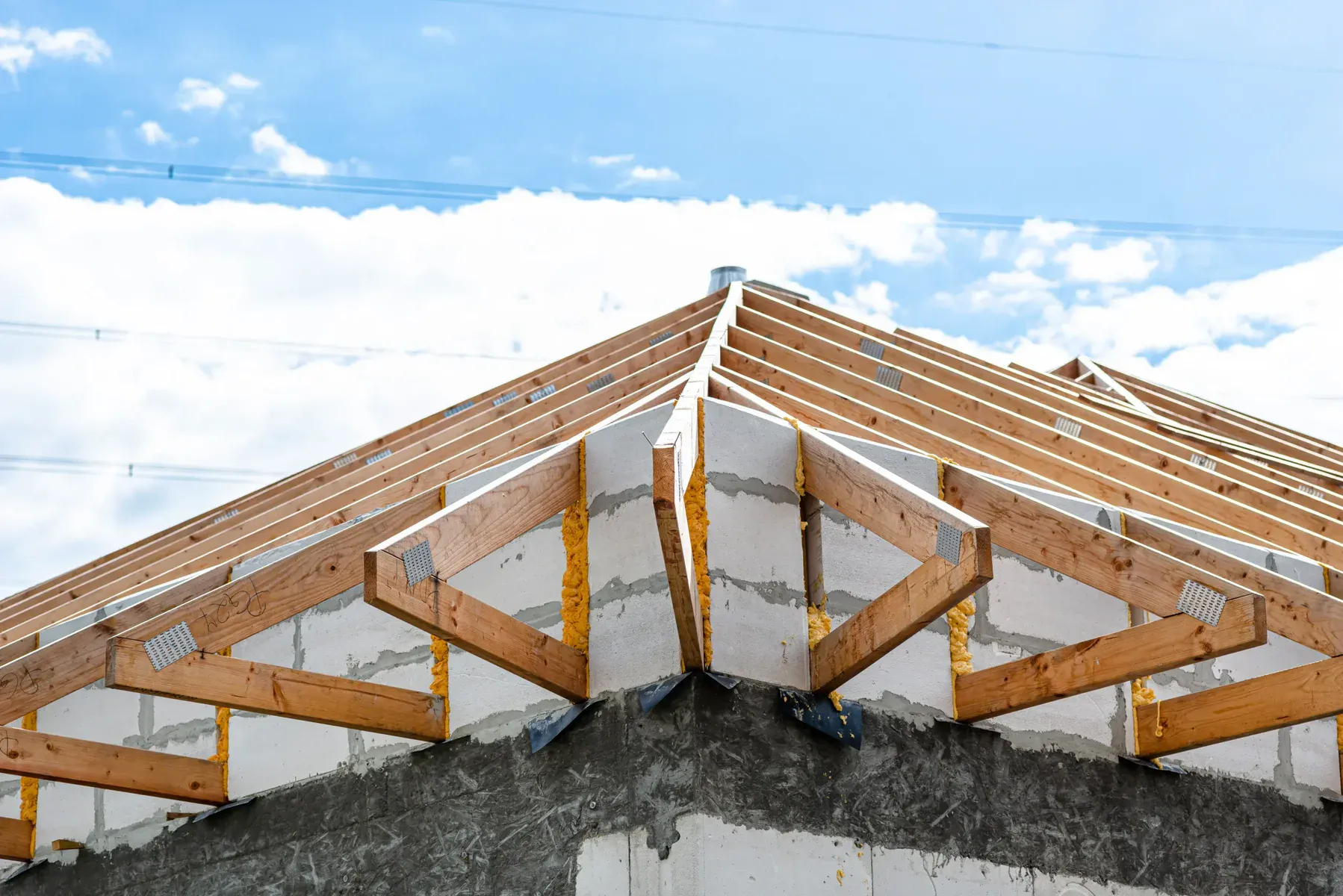
We often forget that our roof is a complex, multi-layered system working 24/7. It’s not just the tiles or shingles you see from the curb. There’s a whole ecosystem of underlayment, flashing, vents, and insulation up there, each part playing a critical role. When one component fails, it’s like a domino effect—and not the fun kind.
That’s why regular roof inspections are the unsung hero of homeownership. Catching a small issue early, like a cracked tile or a bit of corroded flashing, can save you from a world of financial pain later. IMO, skipping an inspection to save a few bucks now is like refusing to change your car’s oil because it’s still running. It’ll run… until it doesn’t, and then the cost gets serious.
When Trouble Strikes: Repair vs. Replace
So, you’ve got a problem. Maybe you see a water stain, or you lost a few shingles in that last windstorm. The big question always is: can we fix this, or is it time for a whole new roof?
Common Repair Scenarios:
- Tile Roof Repair: Common here in SoCal. A single broken tile is a straightforward fix for a roof repair specialist, but the underlying battens can rot if ignored.
- Residential Roof Repair: For asphalt shingles, we look for curling, granule loss, or missing pieces. Small areas are repairable.
- Commercial Roof Repairs: These are a different beast, often involving flat or low-slope systems. Punctures, seam failures, and ponding water are typical issues we address.
If repairs are becoming more frequent than your favorite streaming service’s new releases, it might be time to talk to a roof installation contractor about a replacement. A good roofing company won’t push you toward a new roof if a repair makes sense. At California Green Roofing, we always give it to you straight—your wallet will thank you.
The Price of Peace of Mind: Breaking Down Costs
Alright, let’s talk numbers. We know it’s the elephant in the room. The price of any roof service depends on a galaxy of factors: materials, slope, accessibility, and the scope of work. Anyone who gives you a firm quote over the phone without seeing your roof… well, let’s just say we’d be skeptical, too.
To give you a clearer picture, here’s a basic breakdown of what influences that final number:
| Service Type | Key Cost Factors | Why It Varies | Pro Tip from Us |
|---|---|---|---|
| Roof Repair | Extent of damage, material type, roof pitch. | A tile roof repair on a gentle slope is far different from fixing a leak on a steep, complex roof. | Get a detailed inspection. A $300 fix now can prevent a $3000 problem later. |
| Roof Replacement | Square footage, material choice, tear-off costs, permits. | Premium materials (clay tile, metal) cost more upfront but last decades longer. | Consider long-term value, not just upfront cost. An affordable option isn’t cheap if it fails in 10 years. |
| Commercial Roof Maintenance | Roof size, system type (TPO, EPDM, Built-up), frequency. | Preventive maintenance contracts often save thousands vs. emergency commercial roof repairs. | Regular roofing maintenance is non-negotiable. It’s the most affordable line item in your building’s budget. |
Finding an affordable solution isn’t about finding the lowest bid. It’s about maximizing value and longevity. We’ve seen the aftermath of cut-rate jobs, and trust us, it’s never pretty. Investing in quality work from a trusted roofing company in Los Angeles like ours pays off in spades through durability and fewer headaches.
Prevention is the Best Medicine: The Magic of Maintenance
We’re going to let you in on a little secret: the single best thing you can do for your roof is to befriend a great roof service provider for regular check-ups. Roofing maintenance is everything.
For residential homes, an annual inspection after the rainy season is perfect. For commercial roof maintenance, we often recommend bi-annual visits. These check-ups let us spot the small stuff:
- Clogged gutters that cause water backup
- Cracked sealant around vents and chimneys
- Moss or debris accumulation
- Early signs of wear and tear
And for our flat-roofed commercial friends, roof coating services can be a game-changer. They reflect UV rays, add a seamless protective layer, and can significantly extend your roof’s life. It’s like sunscreen for your building—and in Los Angeles, we all know how important sunscreen is 🙂
Choosing Your Roofing Partner: It’s a Relationship
This might be the most important section. You’re not just hiring a contractor for a day; you’re choosing a partner to protect your biggest investment. So, what should you look for?
- Local Expertise: A company that knows the nearest weather patterns and common issues in your area is vital. What works in Minnesota doesn’t fly in Los Angeles.
- Transparency: They should explain the “why” behind every recommendation and provide clear, detailed quotes.
- Communication: You deserve updates, not radio silence. If you call your nearest roofing company and can’t get a human on the phone, that’s a red flag.
- Proof is in the Portfolio: Look at reviews, ask for references, and check their past work.
We built California Green Roofing on these principles. We’re your local team, we communicate like humans (no robotic jargon here), and we stand behind our work. Because at the end of the day, your roof is what stands between your world and the elements. That’s a responsibility we don’t take lightly.
Your Burning Roofing Questions, Answered
Let’s tackle a few of the most common questions we hear every day.
1. How often should I really get my roof inspected?
For most homes, once a year is perfect. The best time is late spring or early summer, after winter rains have done their thing and before the intense heat sets in. For commercial properties, twice a year is the sweet spot. Think of it as a dental cleaning for your roof—preventative and painless.
2. Can I just do repairs myself to save money?
We love a good DIY spirit, but roofing is one area where we strongly advise against it. Safety is the huge, obvious reason. But also, without the trained eye of a roof repair specialist, you might fix the symptom and miss the root cause. What looks like a simple shingle replacement could be hiding rotten decking underneath. Professional repairs also come with warranties, which your DIY fix… won’t.
3. What’s the biggest mistake homeowners make with their roofs?
Ignoring it until it’s an emergency. Hands down. Putting off a small repair or skipping inspections always, always leads to a larger, more expensive problem. The second biggest mistake is choosing a bid based solely on the lowest price. The old adage is true: you often get what you pay for.
So, there you have it. A roof isn’t just a cap on your house or building; it’s a dynamic, living system that deserves attention and care. Whether you need a minor residential roof repair, a full commercial roof maintenance plan, or just a professional set of eyes to give you peace of mind, the key is to act before the sky literally starts falling in.
When you’re ready to talk about what’s happening on top of your world, you know where to find us. The team at California Green Roofing is always here to help you build a stronger, safer overhead haven. Let’s keep you dry.
People Also Ask
Asphalt shingles, while popular, have several notable disadvantages. They have a relatively short lifespan, typically 15-30 years, and are prone to cracking, curling, and granule loss in extreme heat. This makes them less durable than metal or tile options. They also offer poor insulation, which can increase energy costs for cooling a home. From an environmental perspective, asphalt shingles are not recyclable and contribute significantly to landfill waste. For homeowners in the Los Angeles area seeking a more sustainable and long-lasting solution, California Green Roofing recommends considering alternatives like cool roofs or metal systems that better withstand the local climate and reduce long-term maintenance.
In the Los Angeles and San Fernando Valley area, the cheapest time of year to get a new roof is typically during the late fall and winter months, from November through February. This period is considered the off-season for roofing contractors because cooler weather and occasional rain reduce demand. Many companies offer discounts or more competitive pricing to keep their crews busy. However, it is important to note that scheduling may be delayed if heavy rain is forecasted. For a detailed breakdown of costs and seasonal timing, you should review our internal article titled Budgeting For A New Roof: A Los Angeles Homeowner’s Guide. At California Green Roofing, we advise homeowners to plan ahead and request quotes during these slower months to secure the best value.
Yes, homeowners insurance premiums often decrease after installing a metal roof, particularly in the Los Angeles area. Insurance companies typically offer discounts because metal roofing is highly durable and resistant to fire, wind, and impact damage. This reduced risk of claims can lead to savings of 5% to 35% on your annual premium. For Los Angeles homeowners, the fire resistance is especially valuable given the region's wildfire risk. To maximize these savings, you should confirm with your provider that the specific metal roof you choose qualifies for a discount. For more detailed advice on selecting a fire-resistant option, we recommend reading our internal article titled Fire-Resistant Roofing: A Guide For Los Angeles Homeowners, which offers comprehensive guidance.
In California, particularly in the Los Angeles and San Fernando Valley area, the best roof type often depends on balancing durability, energy efficiency, and fire resistance. Given the region's specific climate challenges, a concrete or clay tile roof is widely considered the top choice. These materials offer excellent thermal performance, helping to keep homes cooler during hot summers, and they provide superior resistance to wildfires, which is a critical factor for local homeowners. For more tailored advice on withstanding local weather events, California Green Roofing recommends reviewing our internal article How To Protect Your Roof From High Santa Ana Winds. Proper installation by a qualified professional is essential to maximize the lifespan and performance of any roofing system in this environment.