Let’s be honest, our roofs don’t get a lot of love until something goes wrong. We notice a leak after a big storm, see a few cracked tiles, or spot a suspicious dark patch from the upstairs window. Then, suddenly, it’s a full-blown panic. Who do we call? What will it cost? Is this a simple fix or a sign of the apocalypse? We’ve all been there. As fellow homeowners and building managers here in sunny Southern California, we get it. That’s why we want to chat about something we think is genuinely important: understanding the full spectrum of roof service. It’s not just about slapping on new shingles when disaster strikes; it’s about a relationship with the structure that protects everything we own.
Think of your roof like a car. You wouldn’t drive for a decade without an oil change and then act surprised when the engine seizes, right? Yet, we often ignore our roofs for years, expecting them to withstand blazing sun, occasional rain, and Santa Ana winds without a whimper. A proactive approach doesn’t just save you money in the long run—it saves you a massive headache.
The Real Meaning of “Roof Service” (It’s Not Just Repairs)
When we say roof service, what pops into your head? Probably a roof repair specialist on a ladder, hammer in hand. And that’s a big part of it! But true service is a holistic cycle. It starts with knowing what you have, continues with keeping it in good shape, and yes, involves fixing things when they break. Skipping any step is like building a house without a foundation—it might look okay for a while, but the first big test will reveal the flaws.
At our company, California Green Roofing in Los Angeles, we break it down into three core pillars: Inspection, Maintenance, and Repair/Installation. Each one feeds into the next, creating a system that maximizes your roof’s lifespan and your peace of mind.
Pillar One: The Humble Roof Inspection (Your First Line of Defense)
This is where it all begins. You can’t fix what you don’t know is broken. A professional roof inspection is the equivalent of a detailed annual physical for your home. We’re not just looking for obvious leaks; we’re checking for subtle signs of wear that could become major issues.
What does a good inspection cover?
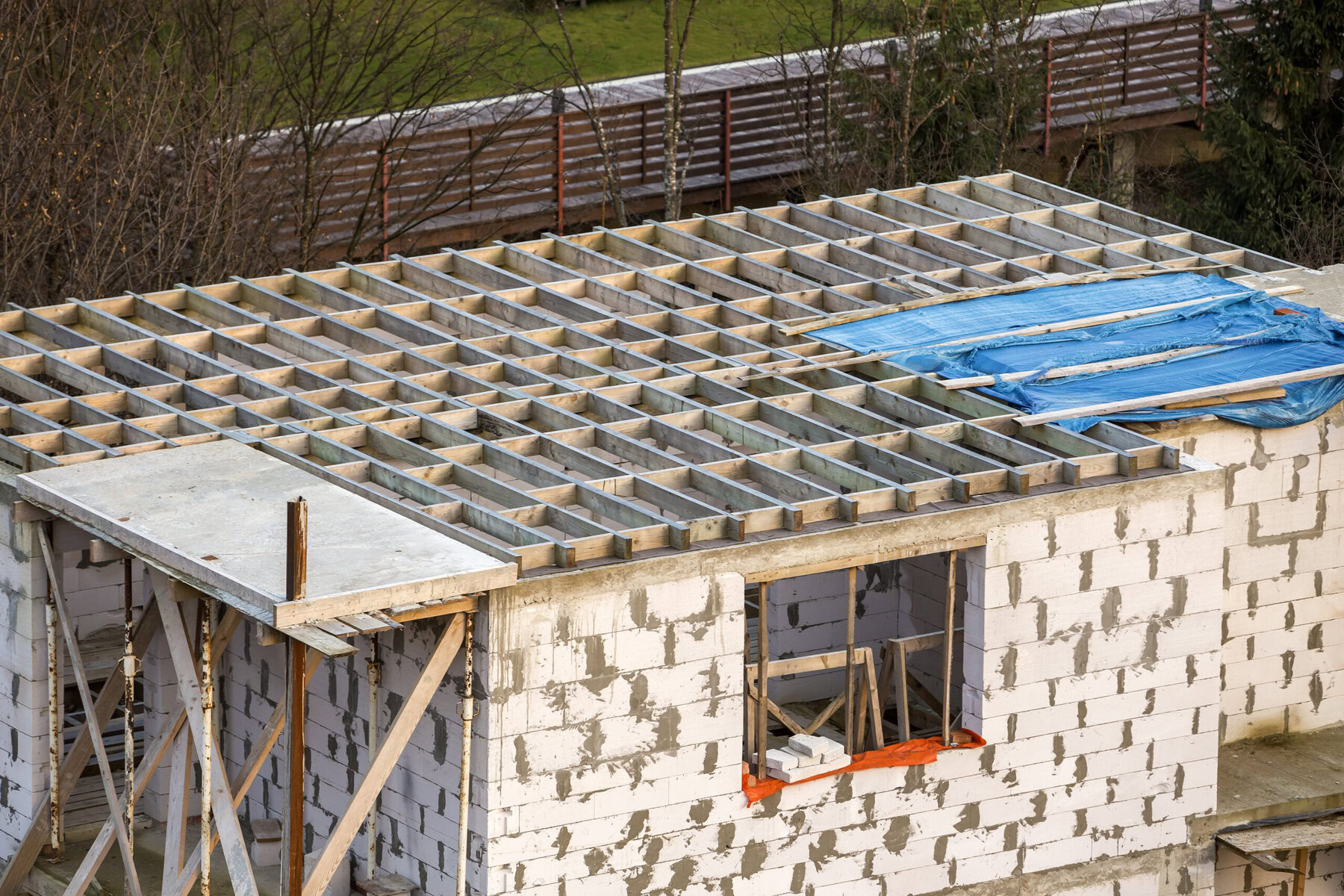
- Structural Integrity: Are the rafters and decking sound? Is there any sagging?
- Material Condition: Are tiles cracked? Are shingles curling or missing? Is the flashing around chimneys and vents intact and sealed?
- Drainage: Are the gutters and downspouts clear? Is water pooling anywhere?
- Interior Signs: We’ll also check your attic for proper ventilation, signs of moisture, or daylight peeking through where it shouldn’t.
Getting a regular inspection, especially before and after our rainy season (what little we have!), is the single most affordable thing you can do. It turns catastrophic, wallet-emptying surprises into manageable, scheduled projects. IMO, it’s a no-brainer.
Pillar Two: Maintenance – The Unsung Hero
Okay, maintenance isn’t the most thrilling topic. It lacks the drama of a emergency roofing repair. But hear us out: consistent roofing maintenance is what separates a roof that lasts 15 years from one that lasts 30. It’s the difference between a controlled, budgeted cost and a financial shock.
For residential roof repair, this often means cleaning gutters, trimming overhanging branches, and checking seals. For commercial roof maintenance, the scope is larger but the principle is the same: prevent small problems from becoming big ones.
One service we’re huge advocates for is roof coating services. For many flat or low-slope commercial roofs, a reflective coating can be a game-changer. It seals minor imperfections, reflects UV rays (lowering cooling costs), and can extend the life of the roof membrane significantly. It’s often a far more affordable alternative to a full tear-off. We’ve seen it save local businesses here in Los Angeles tens of thousands.
Pillar Three: When Things Go Bump in the Attic: Repairs & Installation
Alright, let’s talk about the part everyone fears: something is actually wrong. Whether it’s a leak, storm damage, or just old age, this is when you need a trusted professional. The key is understanding the scope.
The Repair Spectrum: From Patch to Overhaul
Not all repairs are created equal. A tile roof repair might involve carefully replacing a few broken Spanish tiles—a specialty job to maintain the aesthetic and weatherproofing. A standard residential roof repair might address wind-lifted shingles. Commercial roof repairs could involve patching a membrane or replacing a section of insulation.
The price and scope vary wildly, which is why that Pillar One inspection is so critical. A great roofing company will give you a clear, honest assessment: “This is a simple patch job,” or “This leak is a symptom of widespread wear; a repair here will just move the problem.”
When Repair Isn’t Enough: The Installation Conversation
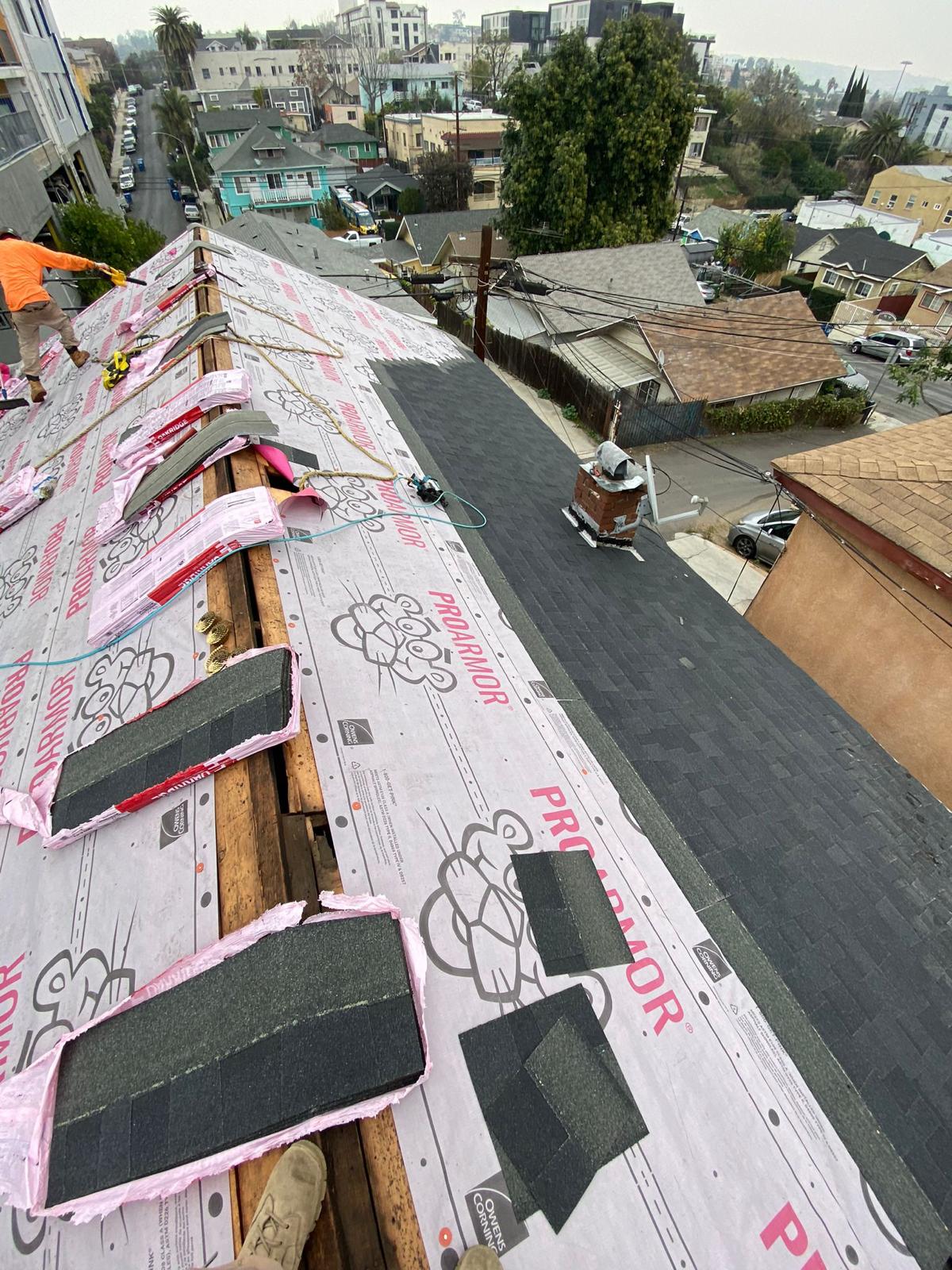
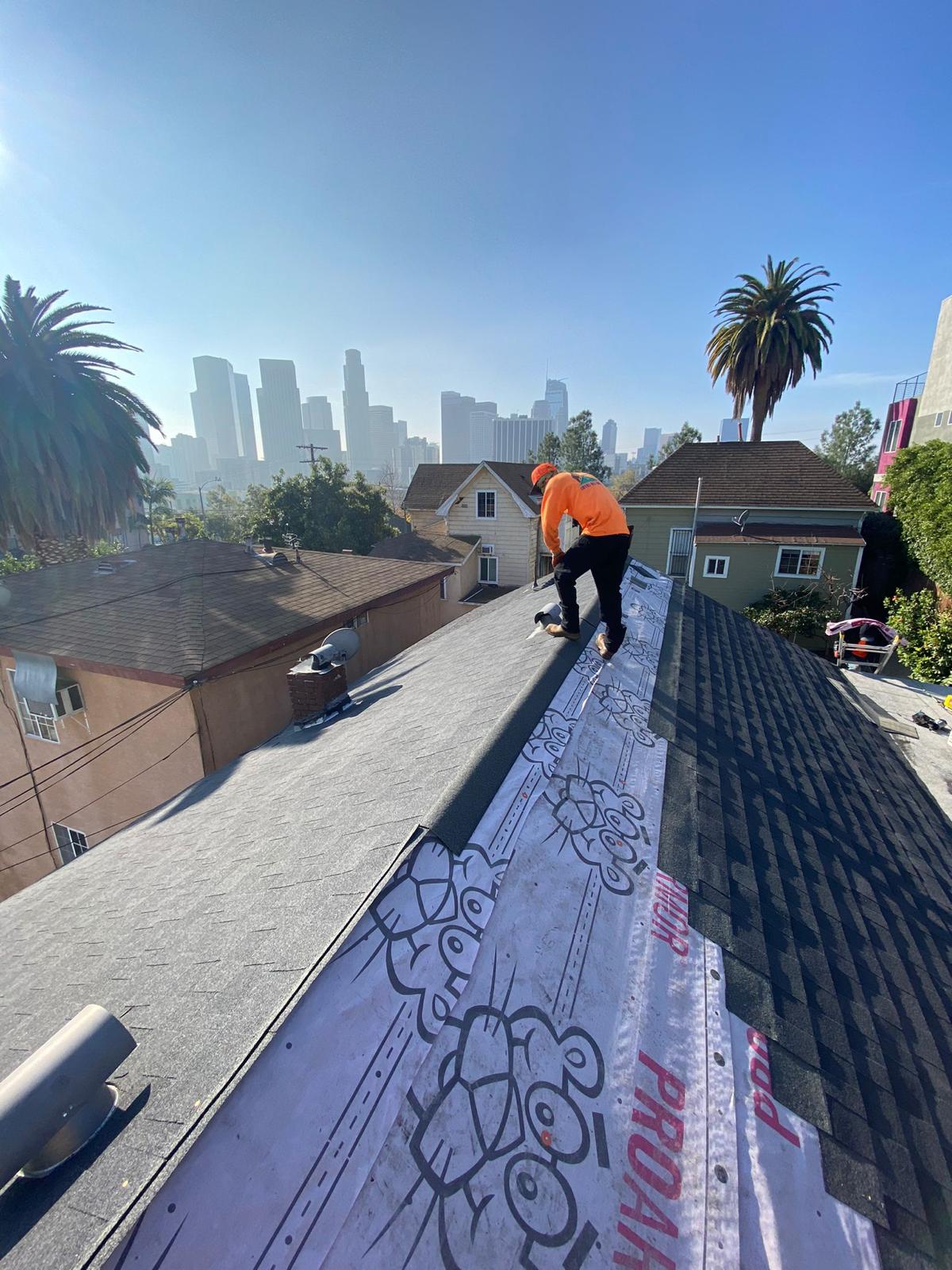
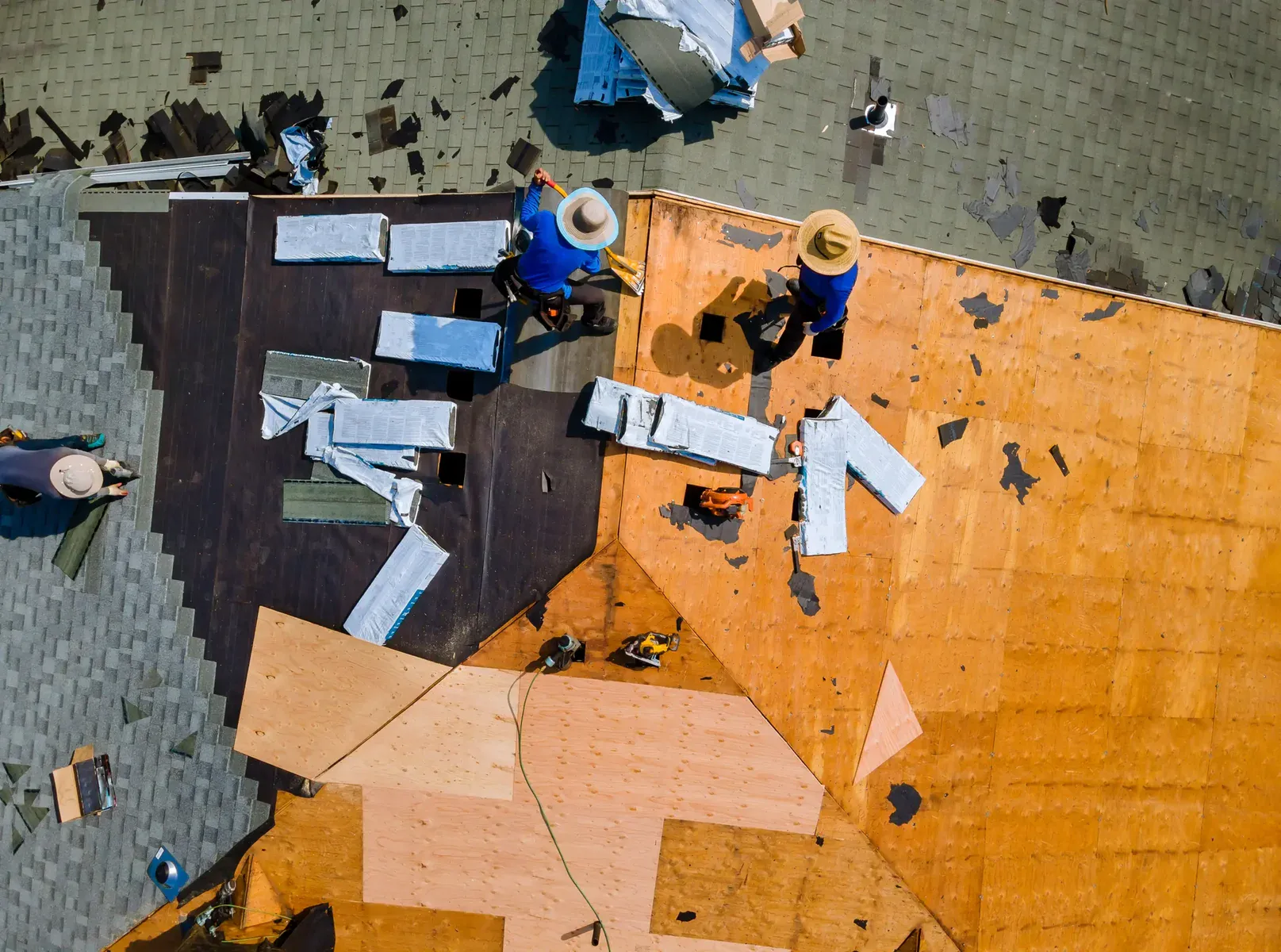
Sometimes, maintenance and repairs are just pouring money into a sinking ship. If your roof is failing everywhere, constantly leaking, or just past its life expectancy, a replacement is the smarter investment. This is where you transition from looking for a roof repair specialist to choosing a roof installation contractor.
This is a big decision, and the cost is understandably a major factor. But let’s be sarcastic for a second: choosing the nearest contractor with the lowest bid because your ceiling is dripping right now is a fantastic way to potentially get back on this merry-go-round in a few years. We’ve seen the aftermath, and it’s not pretty.
A proper installation by a company like California Green Roofing considers everything: proper ventilation, high-quality materials suited to our climate, and workmanship warranties that actually mean something. It’s about a permanent solution, not just a temporary fix.
Making Sense of It All: A Quick-Reference Table
To help visualize how these services connect and when you might need them, here’s a handy table:
| Service Type | What It Involves | Best For… | Proactive or Reactive? |
|---|---|---|---|
| Roof Inspection | Comprehensive check of structure, materials, drainage, and interior for signs of issues. | Any homeowner or property manager; should be done annually or after major storms. | Proactive |
| Preventive Maintenance | Gutter cleaning, debris removal, minor sealant touch-ups, vegetation control. | Extending the life of a roof in generally good condition. | Proactive |
| Roof Coating Service | Applying a protective, reflective layer over an existing roof membrane. | Flat commercial roofs or older residential roofs to seal and refresh. | Proactive |
| Targeted Repair | Fixing a specific, isolated issue like a leak around a vent or a patch of damaged tiles. | Addressing a single, identified problem on an otherwise sound roof. | Reactive |
| Roof Replacement | Complete tear-off and installation of a new roofing system. | Roofs at end-of-life, with widespread failure, or after catastrophic damage. | Often Reactive |
Your Top Roofing Questions, Answered
We hear these all the time, so let’s tackle them head-on.
1. “How often should I really get my roof inspected?”
For most homes in Southern California, once a year is perfect. Schedule it in the fall to prep for rain (however slight) and check for any summer sun damage. For commercial properties with larger roofs, semi-annual checks are a wise investment. After any major wind event or if you notice anything suspicious—like a dark spot on your ceiling or granules in your gutters—call for an inspection ASAP.
2. “Can’t I just do my own inspection or minor repairs?”
You can certainly do a visual check from the ground with binoculars, and keeping your gutters clean is a great DIY task. But for anything involving actually walking on the roof or diagnosing leaks? Leave it to the pros. Safety is the biggest reason—roof work is dangerously deceptive. Secondly, a trained eye spots problems a homeowner might miss. What looks like a few cracked tiles might indicate a underlying structural issue. FYI, what you save in labor you might pay for tenfold in a misdiagnosis or injury.
3. “How do I choose between a major repair and a full replacement?”
This is the million-dollar question (sometimes literally). A reputable roofing company should provide a detailed assessment. They’ll look at the age of your roof, the extent of the damage, and the cost of repeated repairs vs. replacement. Here’s our rule of thumb from the business: If the repair cost is approaching 40-50% of a replacement price and your roof is over 20 years old, replacement is usually the more financially sound, long-term choice. A good contractor will lay out both options without pressure.
Wrapping This Up (And Why We Do What We Do)
So, there you have it. Roofing isn’t just about reacting to emergencies. It’s a proactive partnership. It’s about choosing a roof service provider who sees the whole picture, not just the leak of the day.
We built California Green Roofing here in Los Angeles because we believe in this approach. We’re your neighbors, and we treat your roof like it’s our own. Whether you need a routine roof inspection, a specialized tile roof repair, a commercial roof maintenance plan, or a full replacement, the goal is the same: give you a solid, reliable shelter over your head so you can stop worrying about it.
Don’t wait for the drip-drip-drip to become a waterfall. Get to know your roof. Find a partner you trust. It makes the whole experience a lot less painful, we promise 🙂 Ready to start that conversation? Give us a shout. Let’s make sure your roof is doing its job, so you can focus on everything else.
People Also Ask
Clay tile and concrete tile each have distinct advantages depending on the project. Clay tile is often considered more durable and can last over 100 years with proper maintenance. It offers a classic, high-end aesthetic and excellent resistance to fire and rot. However, it is heavier and more expensive. Concrete tile is a cost-effective alternative, also durable with a lifespan of 30-50 years, and available in many styles that mimic clay or slate. It is heavier than clay, which can require additional roof structure support. The choice depends on budget, architectural style, and structural capacity, with clay being a premium, long-term investment and concrete a versatile, economical option.
Clay tile roofs are highly fire resistant, making them an excellent choice for California's wildfire-prone regions. They are non-combustible and can achieve a Class A fire rating, the highest level of protection. This rating means the roof covering can withstand severe fire exposure and is effective against flying embers, a major cause of home ignition during wildfires. When properly installed with appropriate underlayment, a clay tile system provides a significant defensive barrier. It's a durable, long-lasting material that aligns with California's strict building codes for fire safety in designated wildfire zones, offering homeowners both protection and peace of mind.
Clay tiles, while durable and aesthetically pleasing, have notable disadvantages. Their primary drawback is weight; clay is heavy, requiring a reinforced roof structure that increases installation costs. They are also brittle and can crack under impact from hail or falling branches, leading to costly repairs. In cold climates, freeze-thaw cycles can cause tiles to spall or break. Installation is complex and labor-intensive, demanding skilled professionals. Finally, clay tiles are among the more expensive roofing materials, with a high initial investment. For these reasons, a thorough structural assessment is crucial before choosing clay tiles for a roofing project.
Yes, a roofer can work on your roof at 45 degrees Fahrenheit, but it requires specific considerations. This temperature is within a common working range, but it approaches the lower limit for certain materials. Asphalt shingles, for instance, become brittle and can crack if handled improperly in cold weather. Professional roofers will take precautions, such as keeping shingles in a warm place until installation and using cold-weather adhesives. They also prioritize safety, as morning frost or ice can make surfaces slippery. It's crucial to discuss these factors with your contractor to ensure the installation follows manufacturer specifications and maintains the roof's warranty. Proper planning makes cold-weather roofing feasible.