Let’s be honest, we’ve all stared at our roofs at some point and wondered, “What exactly is going on up there?” Is it just a slab of shingles keeping the rain out, or is it a potential disaster waiting for the next big storm? If you’re in Los Angeles, that question gets even more interesting with our unique blend of sun, occasional rain, and yes, the rare but memorable earthquake rumble.
We get it. Roofing talk can feel about as exciting as watching paint dry. But stick with us, because understanding what’s happening over your head is the difference between a minor maintenance check and a catastrophic, wallet-emptying emergency. And from our perspective at California Green Roofing, we see the good, the bad, and the ugly every single day.
Getting to Know Your Roof’s Personality
Think of your roof like a car. You wouldn’t drive for a decade without an oil change, right? Yet, we often expect our roofs to perform flawlessly for years with zero attention. It’s a bit unfair, don’t you think?
Your roof is a complex system, not just a single material. It’s got layers—decking, underlayment, flashing, and the final surface—all working in concert. When one part decides to take a vacation, the whole system suffers. That’s why a proactive approach isn’t just smart; it’s the ultimate money-saver.
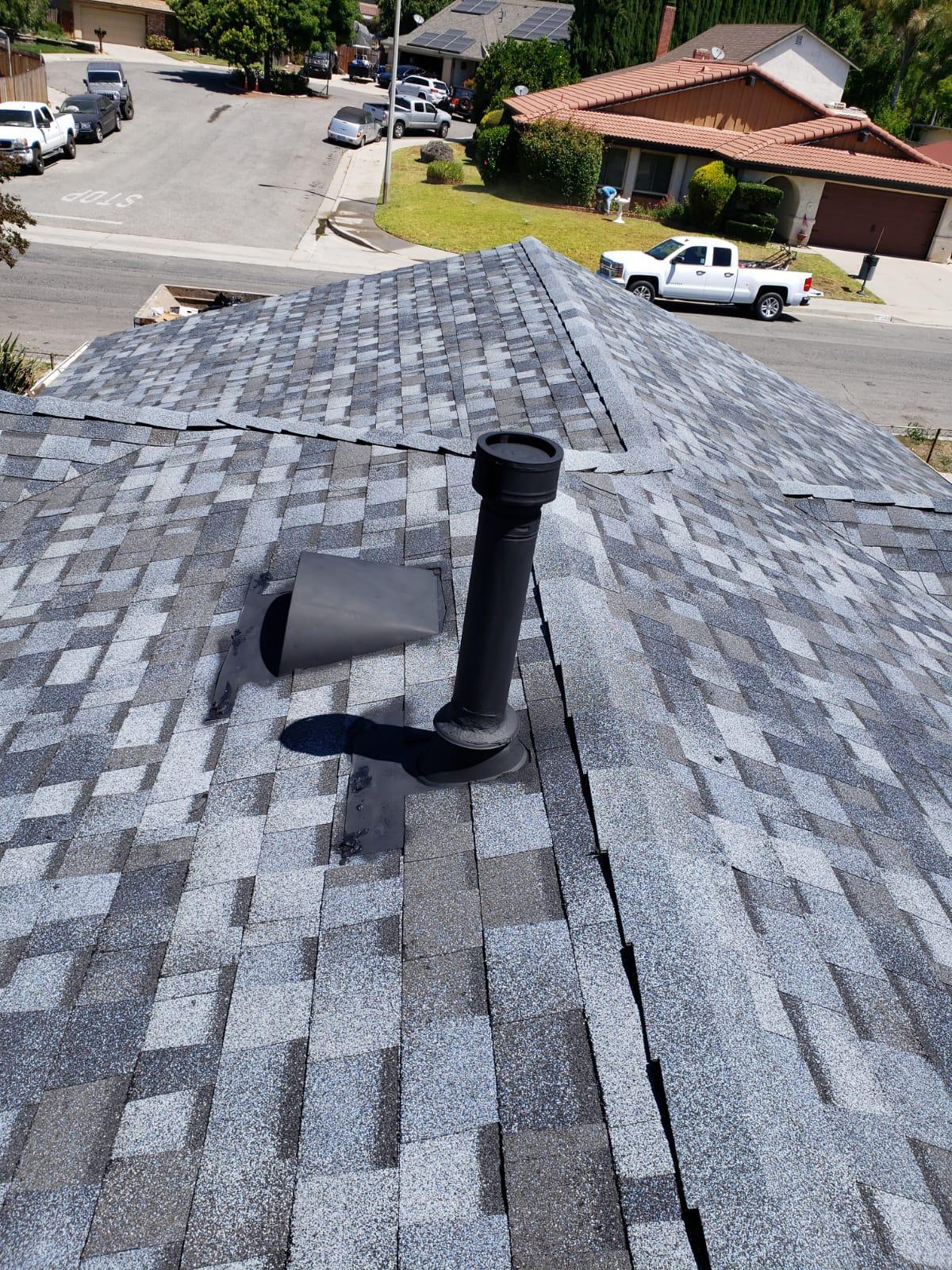
Here’s the real kicker: Most major roofing repair jobs start as tiny, ignorable issues. A small leak around a vent pipe. A single cracked tile. A bit of moss in a shady corner. Left alone, these minor quirks turn into major headaches that require a full roof service intervention.
The Great Debate: Repair vs. Replace
This is the million-dollar question (sometimes literally). How do we know when to patch it up and when to start fresh? It’s not always a clear-cut decision, but a few key factors always tip the scales.
When a Repair is the Right Call
A roof repair specialist lives for these scenarios. A repair makes perfect sense when:
- The damage is isolated. Think a small leak from a damaged tile roof repair spot or a section of flashing torn by wind.
- The roof is relatively young. If most of your roof is in great shape, why replace the whole thing?
- The cost is the primary concern. A quality repair is almost always more affordable in the short term.
We often tell our clients that a timely repair is like fixing a small cavity instead of waiting for a root canal. It’s less invasive, less expensive, and preserves the original structure. For most residential roof repair needs, this is the most common path.
When Replacement Becomes Inevitable
Sometimes, we have to deliver the tough love. Replacement isn’t an upsell; it’s a necessity. You’re likely in replacement territory if:
- Your roof is at or beyond its life expectancy. Asphalt shingles often last 20-25 years in our LA sun.
- You have widespread, recurring issues. If leaks keep popping up in new places, you’re fighting a losing battle.
- There’s significant structural damage. Water rot on the decking or widespread sagging are major red flags.
- You’re planning to sell your home. A new roof is a huge value-add and can smooth the sale process.
For a roof installation contractor, a full replacement is a chance to modernize your home’s protection. We can upgrade materials, improve ventilation, and ensure you’re set for decades. Yes, the initial price is higher, but the long-term peace of mind and value are unbeatable.
The Commercial Roofing Game: A Whole Different Beast
Switching gears to commercial roof maintenance, the conversation changes. It’s less about a single family’s shelter and more about protecting assets, inventory, and business continuity. The scale is bigger, and the stakes are often higher.
Why Proactive Maintenance is Non-Negotiable
For a flat or low-slope commercial roof, neglect is a business risk. A small leak can ruin thousands in inventory, shut down operations, and lead to massive liability. That’s why scheduled roof inspections and commercial roof repairs are just a line item in smart business budgeting.
A great roofing company specializing in commercial work won’t just fix problems; they’ll help you prevent them. This includes services like:
- Regular Inspections: Especially before and after our rainy season.
- Debris Clearance: Drains and scuppers must stay clear, or pooling water is guaranteed.
- Roof Coating Services: A fantastic way to extend a roof’s life, improve energy efficiency, and seal minor imperfections. It’s like a protective sunscreen for your building!
We handle a lot of commercial roof repairs for properties across Los Angeles, and the pattern is always the same: the businesses with a maintenance plan spend less and stress less. It’s that simple.
Navigating the Cost Conversation (Without the Headache)
Let’s talk numbers. We know this is the part everyone dreads. The cost of roofing work can vary wildly, and getting a clear picture is frustrating. One contractor gives you a suspiciously low bid, another a sky-high number. What gives?
What Actually Drives the Price?
A reputable contractor bases their estimate on tangible factors, not just a guess. These include:
- Roof Size and Pitch: Steeper, larger roofs require more labor and safety equipment.
- Materials: Asphalt shingles, tile, metal, and single-ply membranes all have different price points.
- Scope of Work: Are we removing two layers of old shingles? Is there extensive wood repair?
- Access and Logistics: Is your home on a steep hill with limited parking? That affects the project timeline and complexity.
The goal is to find an affordable solution that doesn’t cut corners. Cheap work often uses inferior materials or rushes the installation, leading to problems (and more costs) in a year or two. Investing in quality workmanship from a trusted roofing company like ours in Los Angeles pays for itself in longevity.
To give you a clearer picture, here’s a basic breakdown of common service scopes and what influences their cost:
| Service Type | Typical Scope | Key Cost Factors | Why Choose It? |
|---|---|---|---|
| Minor Repair | Fixing isolated leaks, replacing a few shingles/tiles, sealing flashing. | Extent of damage, roof material, accessibility of the spot. | Quick, cost-effective solution for new, localized damage. |
| Major Repair | Replacing entire roof sections, fixing widespread leaks, repairing storm damage. | Size of the area, amount of underlying decking damage, material matching. | Saves a structurally sound roof that has sustained significant but not total damage. |
| Preventative Maintenance | Bi-annual inspections, cleaning, minor sealant applications, gutter clearing. | Roof square footage, roof complexity (vents, skylights, etc.), report detail. | The ultimate money-saver. Catches tiny issues before they become catastrophic. |
| Full Replacement | Complete tear-off, decking repair, new underlayment & material installation. | All factors listed above (size, pitch, material, access), plus disposal fees. | For roofs at end-of-life or with systemic failure. Provides a long-term warranty and modern performance. |
Your Action Plan: Don’t Wait for the Drip
So, what’s the takeaway from all this roof chatter? Be proactive. The single best thing you can do is establish a relationship with a local expert. Find a roofing maintenance pro you trust for an inspection.
If you’re near the LA area, that’s where we come in. At California Green Roofing, we build our business on being that trusted advisor. We’ll give you a straight, honest assessment—no scare tactics, no pressure. Whether you need a simple tile roof repair or a full commercial roof maintenance plan, we treat your property like it’s our own. IMO, that’s how all contractors should operate 🙂
Your Roofing Questions, Answered
Let’s tackle a few of the most common questions we hear every day.
1. How often should I really get my roof inspected?
Twice a year is the sweet spot. Aim for late spring (after winter rains) and early fall (before them). After any major weather event—like those heavy winds we get—it’s also wise to do a visual check from the ground or schedule a professional roof inspection.
2. Can I just do the repairs myself?
For tiny fixes like replacing a single, accessible shingle, maybe. But honestly, roofing is dangerous work and what seems simple often has a hidden cause. A DIY patch might mask a bigger issue. We’ve seen it too many times. It’s usually safer and more cost-effective to call a roof repair specialist from the get-go.
3. How do I choose the right roofing contractor?
This is crucial. Look for:
- Proper Licensing & Insurance: Non-negotiable for your protection.
- Local Presence & Good Reviews: A company with a history in your community, like us at California Green Roofing, has a reputation to uphold.
- Detailed, Written Estimates: No vague verbal quotes.
- Warranties: They should stand behind both materials and labor.
At the end of the day, your roof is your first line of defense. It doesn’t have to be a mystery or a source of anxiety. With a little knowledge and the right partner, you can handle anything that comes your way—from a missing shingle to a full-scale replacement. And if you’re looking for the nearest team that treats your home like their own, you know where to find us. Give California Green Roofing a call, and let’s keep your world dry, safe, and secure.
Related Articles
Commercial Roofing Costs In LA: A Price Breakdown For Business Owners
How Much Should You Really Spend On Roof Repair In Los Angeles?
Modified Bitumen Roofing: A Durable Option For LA’s Flat Roofs
People Also Ask
A roofing emergency is any situation where immediate action is required to prevent significant property damage, safety hazards, or further structural compromise. This typically includes active leaks during heavy rain, major storm damage like missing sections of roof or large holes, severe structural sagging indicating potential collapse, or any issue that exposes the interior to the elements. Other emergencies can involve fallen trees on the roof or significant wind damage to flashing. For safety, if you suspect a major structural failure, evacuate the area and contact a professional roofer immediately for temporary mitigation and a permanent repair plan.
An emergency roof repair addresses sudden, severe damage that immediately threatens a home's interior, structure, or safety. This includes active leaks during heavy rain, major storm damage like large holes or missing sections of roofing, or structural compromise such as sagging rafters. Other critical situations are damage from fallen trees, significant wind-torn flashing, or issues that expose the home to further water intrusion or potential collapse. Immediate action is required to prevent extensive water damage, mold growth, or electrical hazards. Homeowners should prioritize temporary containment, like using tarps, and contact a licensed roofing professional immediately for a permanent, code-compliant repair.
For a potential roof leak, immediately contact a licensed roofing contractor for an inspection. Do not delay, as water intrusion can quickly cause extensive structural damage, mold growth, and ruined insulation. A professional roofer will perform a thorough assessment to locate the source of the leak, which is often not directly above the visible water stain inside your home. They can provide a detailed repair plan and cost estimate. For emergency situations outside normal business hours, many reputable companies offer 24/7 emergency service. It is crucial to use a licensed, bonded, and insured professional to ensure the repair is done correctly and is covered by warranties.
Yes, a permit is typically required for roof repair in California. The specific requirements vary by city and county, but most jurisdictions mandate permits for structural repairs, sheathing replacement, or any work that alters the roof's framing. Simple repairs like replacing a few shingles or fixing minor leaks often do not require one. It is crucial to check with your local building department, as unpermitted work can lead to fines, complications during a home sale, and may void warranties or insurance coverage. Always hire a licensed contractor who will handle the permitting process, ensuring the repairs meet current California building codes for safety and energy efficiency.
For emergency roof repairs at your Los Angeles business, you should immediately call a licensed, bonded, and insured commercial roofing contractor with 24/7 emergency service. California Green Roofing provides rapid response teams to secure your property, perform temporary mitigation, and schedule permanent repairs. It is critical to document all damage with photos for insurance purposes and to prevent further water intrusion or safety hazards. For a detailed understanding of potential repair and replacement expenses, we recommend reviewing our internal resource, Commercial Roofing Costs In LA: A Price Breakdown For Business Owners. Always verify a contractor's local experience and proper credentials before authorizing any work.