Let’s be honest, we’ve all stared at our roof at some point and wondered, “What exactly is going on up there?” Is it quietly protecting us, or is it secretly plotting a leak right over the living room sofa? We get it. Roofs are mysterious, crucial, and honestly, a bit intimidating when something goes wrong. That’s why we’re having this chat today. We want to pull back the shingles (figuratively, of course) and talk about what really matters when it comes to keeping the sky where it belongs—outside.
Think of this as a friendly guide from folks who’ve spent years under the California sun, dealing with everything from minor tile cracks to major commercial overhauls. We’re here to cut through the jargon and give you the straight talk on roofing care, repair, and when to call in the cavalry.
The Unseen World Above Us: More Than Just Shingles
Our roofs are the unsung heroes of our homes and businesses. They take a beating from UV rays, summer heat, occasional rain, and even the odd fallen branch. But what does a healthy roof need, and how do we spot the signs that it’s crying for help?
Regular Check-Ups Are Non-Negotiable
We can’t stress this enough. Scheduling a professional roof inspection is like getting an annual physical for your house. It spots small issues before they become budget-busting disasters. A good roof repair specialist won’t just glance from a ladder; they’ll do a thorough hands-on check.
Common problems they (and you) might find include:
- Curling or missing shingles: The roof’s equivalent of a receding hairline—it leaves the underlying structure exposed.
- Damaged flashing: That metal around chimneys and vents. If it’s compromised, water has a direct invitation inside.
- Clogged or damaged gutters: Water needs a clear path away from your roof and foundation. Blockages are a one-way ticket to rot.
- Moss or algae growth: It’s not just ugly; it retains moisture and can degrade roofing materials over time.
The Residential vs. Commercial Roofing Tango
Now, while the goal is the same—keeping water out—the approach differs wildly between your home and a business property.
- For our homes (residential roof repair): It’s often about aesthetics as much as function. We want repairs that match, protect our curb appeal, and use materials that suit the neighborhood’s style. A tile roof repair, for instance, requires specific skills to preserve that classic Southern California look without compromising the entire system.
- For businesses (commercial roof maintenance & repairs): The scale changes everything. We’re talking about massive flat roofs, complex drainage systems, and materials like TPO or EPDM. Commercial roof repairs focus on minimizing operational disruption, ensuring employee and customer safety, and protecting valuable inventory or equipment inside. The cost of downtime often outweighs the price of proactive roofing maintenance.
When to DIY and When to Absolutely, Positively Call a Pro
We love a good weekend project. But roofing? That’s a different beast. Here’s our brutally honest take.
Tasks You Might Tackle (With Caution):
- Cleaning gutters (with proper ladder safety, please!).
- Trimming back tree branches that are touching or overhanging the roof.
- Replacing a few individual asphalt shingles if you’re comfortable on a roof and know the correct technique.
The “Drop Everything and Call Us” Red Flags:
- Any sign of a leak or water stain on your ceiling. Water travels. The spot on your ceiling is rarely directly below the hole in your roof.
- Sagging roof deck. This is a structural SOS.
- Large sections of missing or severely damaged material.
- Granules from asphalt shingles accumulating in your gutters. It means your roof is shedding its protective layer.
- After any major weather event. High winds and heavy rain love to expose weak spots.
Trying to fix these yourself to save a few bucks can lead to… well, let’s just say we’ve seen some “creative” solutions that ended up costing ten times more to fix correctly. A professional roof installation contractor or repair team has the safety gear, training, and insurance that you don’t. IMO, that’s worth every penny.
Investing in Your Roof: Understanding Cost vs. Value
Alright, let’s talk numbers. It’s the part everyone dreads, but understanding it takes the fear away. The price of a roof service isn’t just about materials and labor; it’s about expertise, longevity, and peace of mind.
What Influences the Final Bill?
A good roofing company in Los Angeles will provide a detailed estimate, but here’s what’s cooking in that quote:
- Scope of Work: A simple repair vs. a full replacement are different universes of cost.
- Materials: Asphalt shingles, tile, metal, slate—each has a different lifespan and price point.
- Roof Complexity: Steep pitches, multiple levels, skylights, and chimneys add time and complexity.
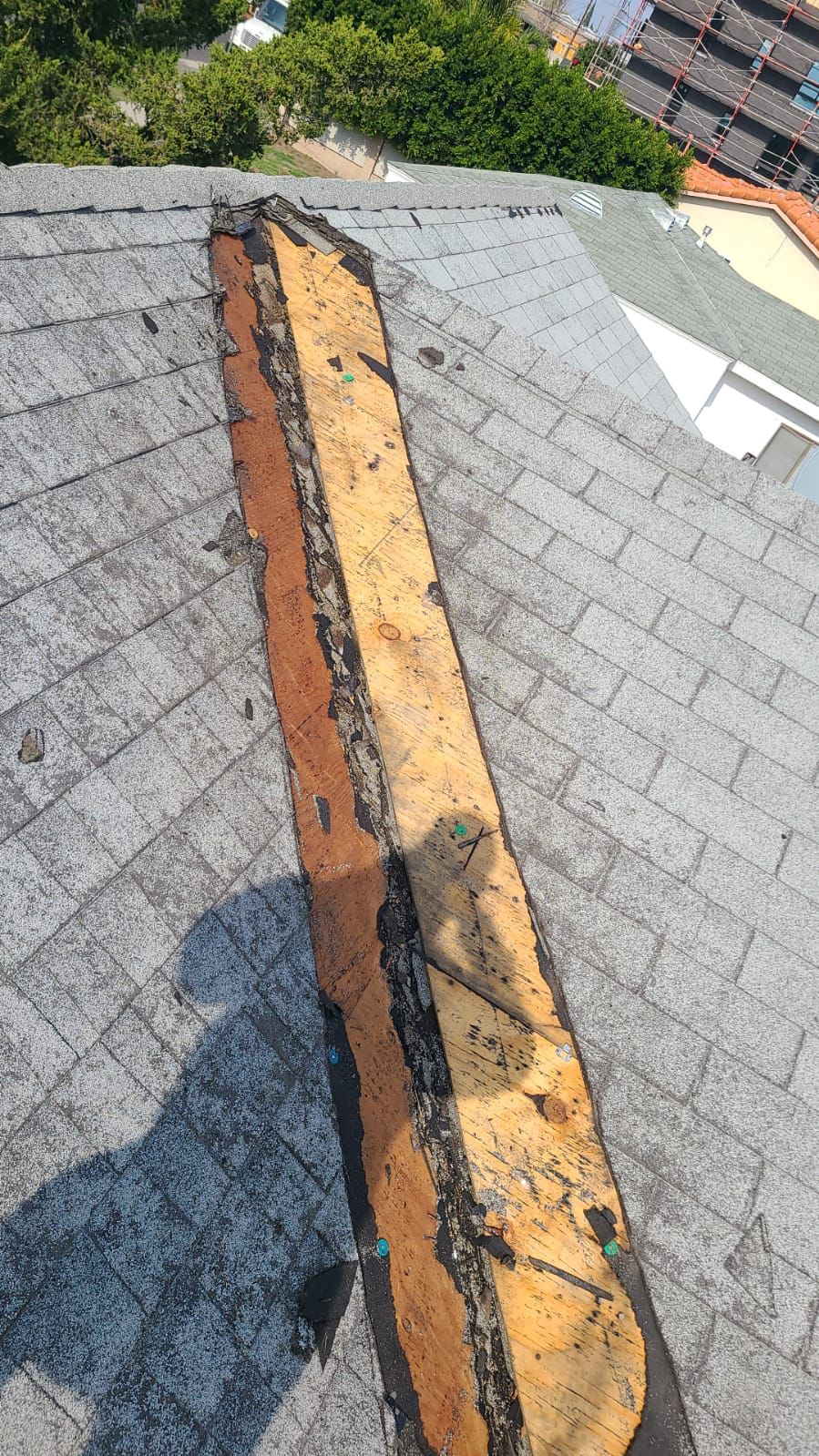
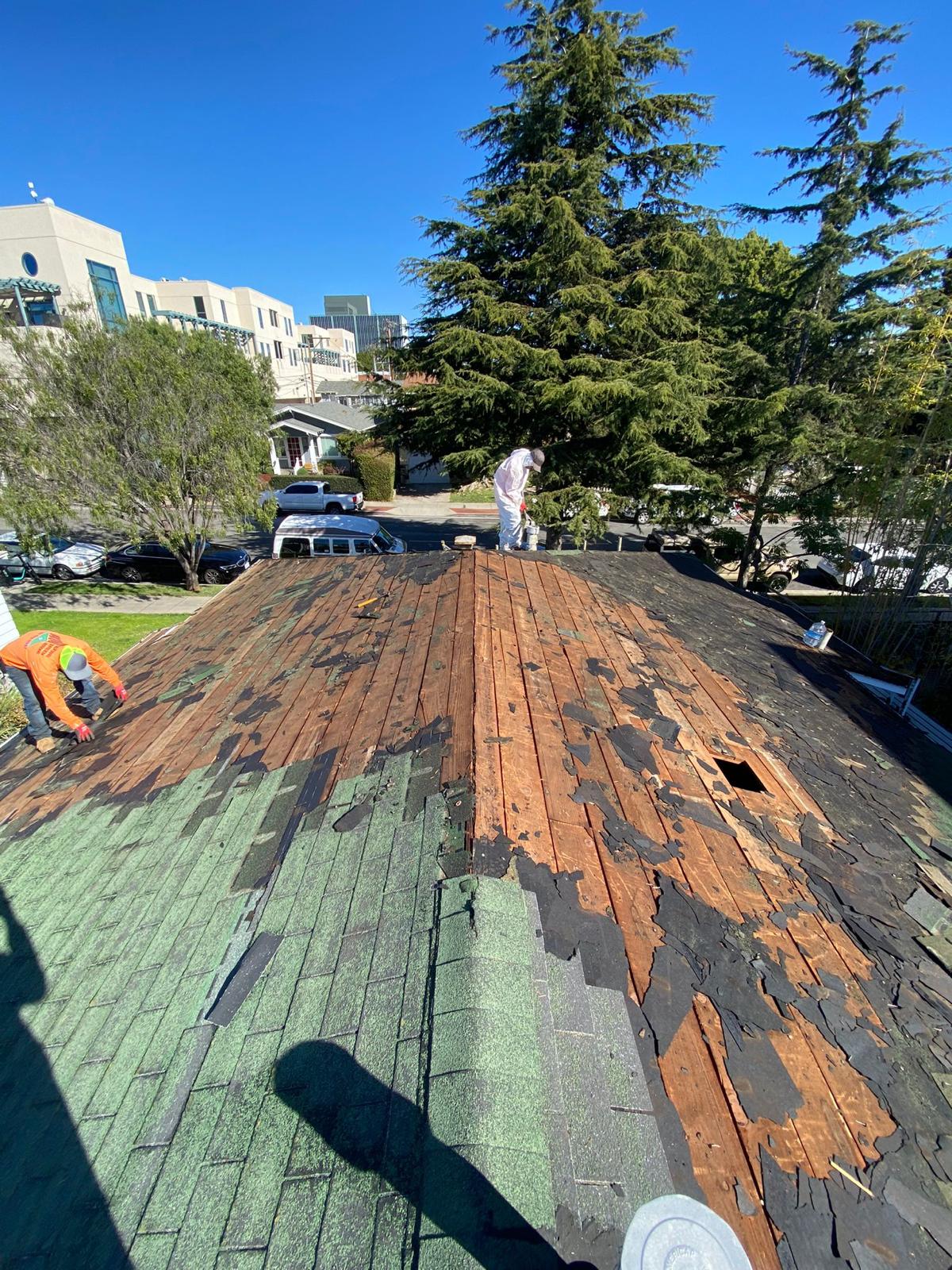
- Underlying Damage: You often don’t know the full story until the work begins. Rotted decking needs replacement before new roofing can go on.
The Magic of Preventative Measures
Want a truly affordable strategy in the long run? Invest in roofing maintenance and protective services. Roof coating services, for example, can extend the life of a commercial roof by years, reflecting UV rays and sealing minor imperfections. It’s a fraction of the cost of a full replacement.
To give you a clearer picture, let’s break down a typical service spectrum:
| Service Type | Best For | Key Consideration | Pro Tip from Us |
|---|---|---|---|
| Patch Repair | Isolated, minor damage. A quick fix. | Temporary solution. May not address underlying issues. | Perfect for stopping a leak fast, but follow up with an inspection to plan the long-term fix. |
| Section Replacement | Localized damage from a tree limb or storm. | Matching existing materials for a seamless look can be tricky. | A great affordable middle-ground that restores integrity without a full re-roof. |
| Preventative Maintenance | All roofs, especially commercial flat roofs. | Requires scheduling and a small ongoing budget. | The single best ROI in roofing. Catches problems when they’re cheap to fix. |
| Full Replacement | Widespread wear, aging (20+ years), or severe storm damage. | Major investment, but also major value and protection return. | Don’t just pick the lowest bid. Quality installation is what makes the material warranty valid. |
Your Local Lifeline: Why “Near” Matters in Roofing
Ever searched for the “nearest roofing company” in a panic during a storm? We have. There’s a huge advantage to working with a local team, especially in a place with its own unique climate like Los Angeles.
A roofing company based here, like our team at California Green Roofing, understands the specific challenges our homes face. We know how the marine layer affects certain materials, how the Santa Ana winds can test installations, and what permits you need in different neighborhoods. When you need roofing repair fast, having someone near who can get a truck to you quickly is everything. It’s the difference between a tarp on Tuesday and a proper fix on Wednesday.
And speaking from experience, local reputation is everything. We live and work in this community, so we’re invested in doing the job right the first time. You can’t get that from a giant national outfit that subcontracts the work to whoever’s available.
Your Burning Roofing Questions, Answered
Let’s tackle a few of the most common questions we hear every single day.
1. How often should I really get my roof inspected?
For most homes, a professional inspection every 2-3 years is solid. For commercial properties, we recommend at least twice-yearly checks, often tied to seasonal changes. After any major weather event with high winds or hail, it’s wise to get a visual check, even if just from the ground with binoculars.
2. Can I just coat my old roof instead of replacing it?
Sometimes! Roof coating services are a fantastic solution for certain types of roofs, particularly commercial flat roofs or older asphalt shingle roofs that are otherwise sound. But it’s not a miracle cure for a failing structure. A coating needs a solid, clean base to adhere to. A reputable company will insist on an inspection first to see if your roof is a good candidate. Trying to coat a rotten roof is like putting a fresh coat of paint on termite-infested wood—it looks better for a minute, but the problem is still there, growing.
3. How do I choose the right contractor without getting overwhelmed?
Great question. Look for:
- Strong local presence and reviews: Check Google, Yelp, and the BBB.
- Proper licensing and insurance: Any legitimate roof installation contractor in California will have both. Ask for proof.
- Detailed, written estimates: No vague verbal quotes.
- Warranties: They should offer strong warranties on both materials and their labor.
- Communication: Do they answer your calls? Explain things clearly? You’ll be working with them for a while, so you need to feel comfortable.
FYI, at California Green Roofing, we make this process transparent because we’ve been on the other side of it, too. We know trust is earned, not given.
Wrapping It All Up: Your Roof, Your Peace of Mind
So, what’s the takeaway from our little chat? Your roof isn’t just another part of your property; it’s the primary shield for everything you’ve built inside it. Ignoring it is a high-stakes gamble, while caring for it is an investment in security, comfort, and value.
Whether it’s routine commercial roof maintenance to keep your business running smoothly, a delicate tile roof repair to preserve your home’s charm, or a full replacement to secure your family for the next two decades, the right approach makes all the difference. Don’t wait for the drip-drip-drip to become a flood. Be proactive.
Start with a simple visual check from the ground this weekend. Then, if anything gives you pause—or if it’s just been a few years—reach out to a trusted local professional for a thorough assessment. If you’re in the area, our team at California Green Roofing would be happy to provide a clear, honest evaluation. Because at the end of the day, a solid roof over your head is the foundation for everything else, and that’s something we can all appreciate 🙂
People Also Ask
To protect your roof from high winds, regular maintenance and strategic upgrades are essential. Start with a professional inspection to identify and repair loose or damaged shingles, as these are vulnerable points. Ensure proper installation and consider using wind-resistant roofing materials like asphalt shingles rated for high winds or metal roofing. Reinforce the roof deck with stronger fasteners and adhesives to improve uplift resistance. Trim overhanging tree branches that could fall during storms. Additionally, check and secure flashing around chimneys, vents, and skylights, as these areas are prone to wind-driven water intrusion. Following these steps helps maintain roof integrity and prevent costly damage during severe weather events.
Roof Maxx is a product designed to rejuvenate asphalt shingles by applying a bio-based treatment that aims to restore flexibility and extend roof life. It works by penetrating the shingles to replace lost oils, which can reduce brittleness and cracking. Many homeowners and contractors report positive results, such as improved shingle condition and potential delay of replacement. However, its effectiveness can depend on factors like the existing roof's condition, proper application, and environmental exposure. As a professional roofer, I recommend consulting with a certified installer for an assessment, as Roof Maxx is not a substitute for necessary repairs or a failing roof, but it can be a cost-effective maintenance option for aging yet structurally sound roofs.
The 25% rule in roofing is a common insurance guideline used to determine whether a damaged roof should be repaired or fully replaced. It states that if an inspection reveals damage to 25% or more of the roof's total surface area, a complete roof replacement is typically recommended instead of a partial repair. This standard is based on the principle that widespread damage compromises the roof's overall integrity and longevity. A full replacement ensures uniform performance, material compatibility, and long-term weatherproofing. It's crucial to have a professional inspection to accurately assess damage extent, as insurance companies often use this rule when evaluating claims for storm or hail damage.
Homeowners insurance typically covers wind damage to a roof if it is a sudden, direct cause of loss. Most standard policies include wind as a covered peril, meaning repairs or a full roof replacement may be paid for, minus your deductible. However, coverage specifics depend heavily on your policy's terms and your location. In some high-risk coastal areas, policies may have separate windstorm deductibles or exclusions. It is crucial to promptly document the damage with photos and contact your insurance provider to file a claim. An adjuster will inspect to determine if the damage is from wind or from wear and tear, which is not covered.
Zone Zero in Los Angeles refers to the highest wildfire risk area designated by the California Department of Forestry and Fire Protection (CAL FIRE). For roofing in these zones, compliance with the strictest state building codes is mandatory. This requires using Class A fire-rated roofing materials, such as concrete tile, metal, or certain composite shingles. Proper installation is critical, including sealing all gaps and using fire-resistant underlayment. Homeowners should also maintain defensible space by clearing debris from the roof and gutters. Working with a licensed contractor experienced in Zone Zero requirements is essential to ensure safety, compliance, and potential insurance premium benefits.