Key Takeaways: Bitumen is a durable, cost-effective workhorse for flat roofs, especially in Reseda’s climate. But it’s not a one-size-fits-all solution. Its success hinges on proper installation, ongoing maintenance, and understanding its trade-offs compared to modern single-ply membranes. For many homes here, it’s a solid, time-tested choice, but it demands a knowledgeable contractor.
So, you’re looking at your flat roof in Reseda and the quotes are coming in. One mentions “modified bitumen,” and it sounds… industrial. Reliable, maybe. But is it the right move for your home? We’ve been installing and repairing roofs across the San Fernando Valley for years, and this question comes up constantly. The short answer is yes, bitumen can be an excellent choice, but with some very important “ifs” attached.
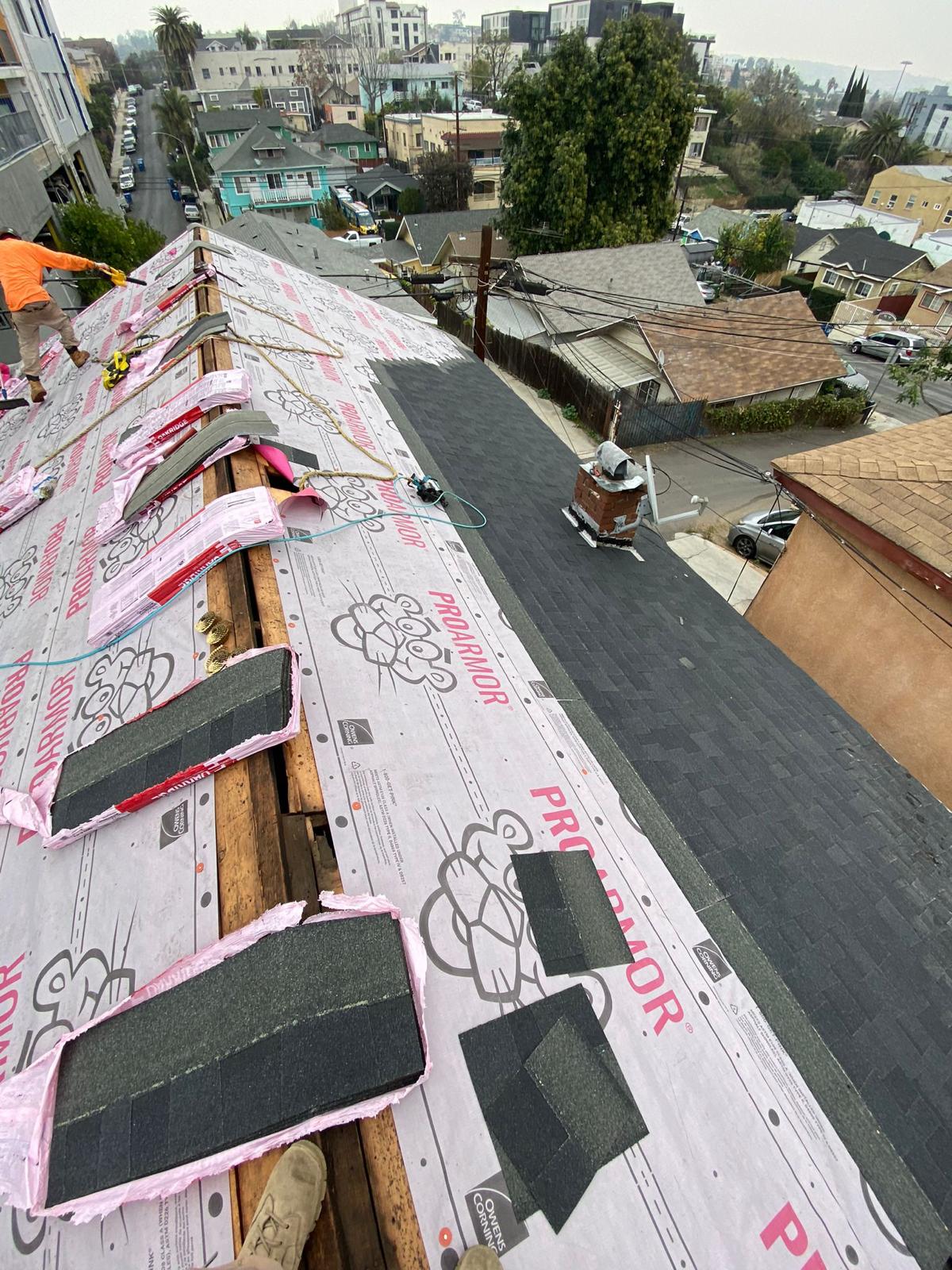
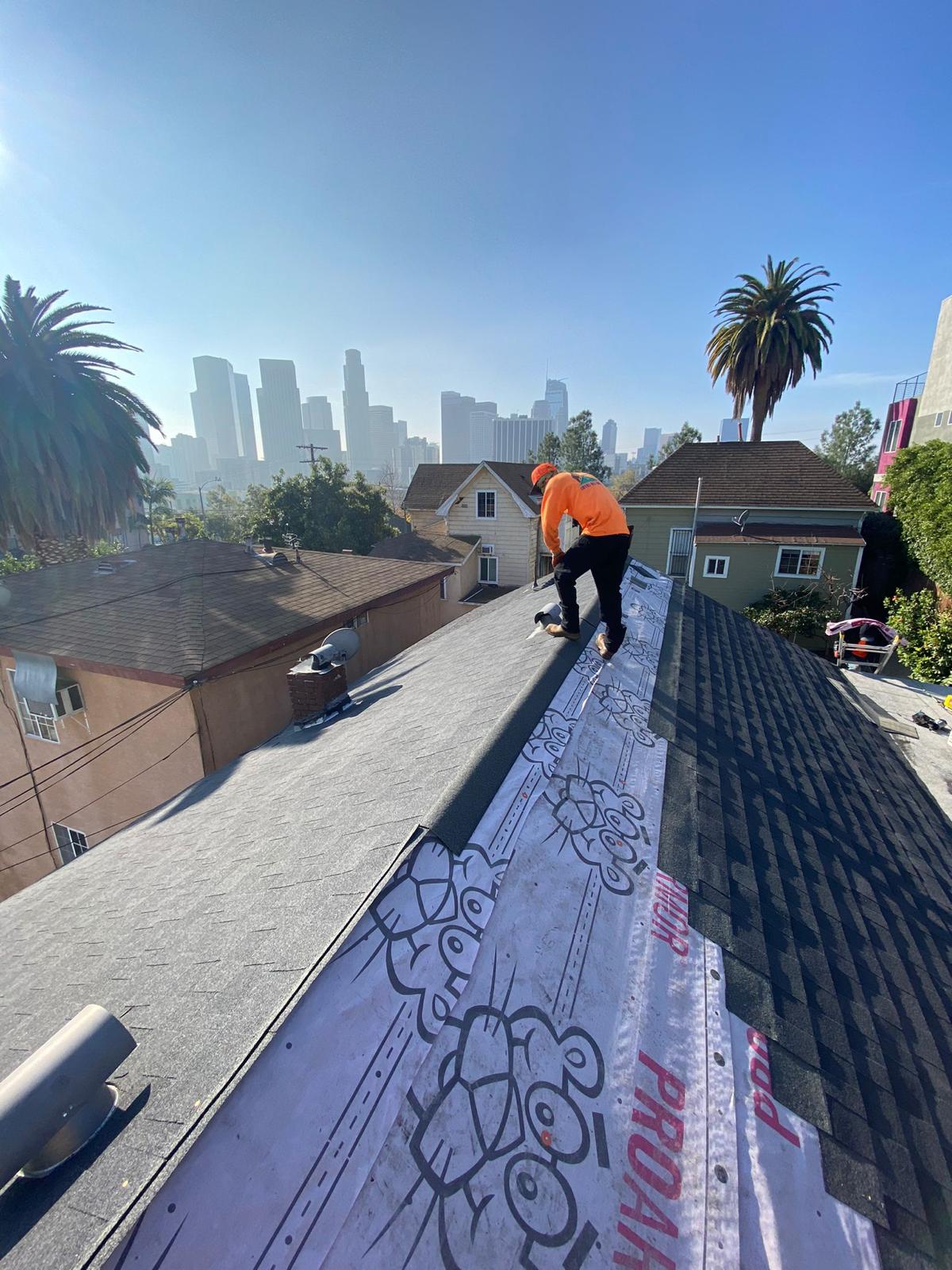
Let’s cut through the sales pitches. Bitumen (often called “mod-bit” in the trade) is essentially a high-tech cousin of asphalt, reinforced with fiberglass or polyester and modified with polymers for flexibility. It comes in rolls, is torch-applied or adhered, and creates a seamless, waterproof blanket. In our sun-baked, dry climate with the occasional surprise downpour, it has a lot going for it.
What exactly is modified bitumen roofing?
Modified bitumen is a durable, rolled roofing material made from asphalt (bitumen) enhanced with plastic or rubber polymers for improved flexibility and strength. It’s typically installed in multiple layers, torch-welded or adhered to create a seamless, waterproof membrane. It’s known for its puncture resistance, repairability, and good performance on flat or low-slope roofs, particularly in climates with high UV exposure and thermal cycling, like Southern California.
The Reseda-Reality Check: Why Bitumen Often Makes Sense Here
We’re not dealing with Midwest hail storms or constant Atlantic damp. Our weather pattern is a specific kind of brutal: relentless UV exposure that cooks most materials, followed by cool nights that cause contraction. Then, maybe three times a year, we get a proper rainstorm that tests every seam. Bitumen handles this thermal cycling well. The modified versions (APP for sun resistance, SBS for flexibility) are designed to expand and contract without cracking.
Walk through older neighborhoods in Reseda, especially around Reseda Park or those classic mid-century homes near the Topanga Mall, and you’ll see a lot of original bitumen roofs that have held up for 20+ years. That’s a real-world testament. It’s also a heavyweight material—literally. It lies flat, doesn’t billow in the wind, and its granular surface reflects a decent amount of solar radiation, which is a bonus for your attic temperature.
Where Bitumen Roofs Can Stumble (And It’s Usually Not the Material’s Fault)
Here’s the practical truth we see on service calls: 90% of bitumen roof failures trace back to installation or maintenance, not the product itself. The torch-down method requires a skilled, certified hand. An inexperienced worker can overheat it (causing premature aging) or underheat it (creating poor seams). Flashings—those critical transitions at walls, vents, and drains—are the most common failure points if not meticulously detailed.
The other reality is maintenance. Homeowners often forget a flat roof exists until there’s a leak. Bitumen needs occasional inspections, especially after our rare but heavy rains, to check for blisters, exposed areas from granule loss, and debris accumulation that holds moisture. It’s not a “install and forget” system like some are sold.
The Modern Alternative: Single-Ply Membranes (TPO/PVC)
You can’t have this conversation without comparing it to the other big player: single-ply membranes, mainly TPO. These are the lighter, brighter, often white sheets you see on commercial buildings. They’ve made huge inroads in residential too.
| Consideration | Modified Bitumen | Single-Ply (TPO) | Our Practical Take |
|---|---|---|---|
| Installation | Torch or adhesive. Requires more labor, critical skill. | Mechanically fastened or adhered. Generally faster. | Bitumen install is weather-sensitive (no torch in high wind) and needs a true specialist. TPO install is less artisan-dependent. |
| Durability | Excellent puncture resistance. Can handle foot traffic. | Good, but more prone to puncture from sharp debris. | If you have overhanging trees or need occasional HVAC service, bitumen’s toughness is a real asset. |
| Energy Efficiency | Good (with reflective granules or coatings). | Excellent (especially white TPO). | In Reseda’s heat, a white TPO or a coated bitumen roof can noticeably cut cooling costs. This isn’t trivial. |
| Repairability | Superb. Patches and melts right in. | Good, but requires specific tapes/glues. | We can repair a bitumen seam leak in 30 minutes. It’s a cleaner, more permanent fix, in our experience. |
| Cost | Moderate. Material cost is lower, but labor can be higher. | Moderate to higher. Material cost is often higher. | Final installed price is often very comparable. Don’t choose based on a per-square-foot material quote alone. |
So, When Is Bitumen Not the Right Choice?
Even with all its strengths, we steer clients away from bitumen sometimes. If the roof deck has an extremely complex layout with dozens of penetrations (pipes, vents, skylights), the labor to flash each perfectly with bitumen can skyrocket. A single-ply system might be more efficient. If the existing structure can’t handle the added weight (a concern with some older garage additions), lighter TPO is the obvious pick. And frankly, if a homeowner wants the absolute highest solar reflectance for energy savings, a white TPO system is hard to beat straight out of the gate.
What’s the main disadvantage of a bitumen roof?
The primary disadvantage is its dependency on expert installation. Improper torch application or seam detailing can lead to premature failure. It also typically requires more frequent maintenance than some modern alternatives to check for surface wear, and its initial energy reflectivity is lower than bright-white single-ply membranes unless a reflective coating is added.
The Local Angle: Working With Reseda’s Specifics
Reseda has its own character. Many homes are on the older side, with original flat roofs on garages or additions. The underlying structure matters. We often find ourselves recommending a full tear-off to the deck for these, because adding another layer over failing substrate is a waste of money, bitumen or otherwise. Also, our local building codes and energy standards are always evolving. A reputable local roofer like our team at California Green Roofing in Los Angeles will know what passes inspection now, not just what worked a decade ago.
This is the crucial bit: choosing bitumen is choosing the contractor as much as the material. You need a crew that has the specific certification for torch application, carries the proper insurance for hot-work, and has a portfolio of long-lasting bitumen installations. It’s not a job for a general handyman. The peace of mind knowing your roof was installed by a seasoned professional, familiar with the wind patterns coming off the 101 and the sun exposure on a south-facing roof in Reseda, is worth the investment.
The Bottom Line for Your Home
Bitumen isn’t the flashy new tech, and that’s okay. It’s a proven, resilient, and repairable system that fits Reseda’s climate like a glove when done right. It asks for a bit more attention during installation and a periodic check-up, but in return, it offers decades of rugged service. For most flat roof replacements here, especially on uncomplicated surfaces where durability is the top priority, it remains a top-tier choice.
The next step isn’t just to pick a material—it’s to get detailed, comparable quotes that specify the exact product, installation method, and warranty. Look at real project photos, ask how many torch-down roofs they did last year, and trust your gut. A good installer will ask you as many questions about your use and expectations as you ask them. After all, the best roof is the one that’s designed for your specific house and life, not just the one that’s trending.
Related Articles
Modified Bitumen Roofing: A Durable Option For LA’s Flat Roofs
Common Problems Found On Modified Bitumen Roofs
Longevity Of Modified Bitumen Flat Roofs In California
What Is A Built-up Roof BUR And Is It Right For Your Property
People Also Ask
The lifespan of a bitumen flat roof, specifically a modified bitumen system, typically ranges from 15 to 25 years with proper installation and maintenance. In California's climate, factors like UV exposure, thermal cycling, and occasional heavy rain significantly impact longevity. Regular semi-annual inspections and prompt repairs of minor issues like blisters or flashings are crucial for maximizing service life. The quality of the initial installation by a certified professional is the most critical factor. For a detailed analysis of performance in local conditions, including maintenance schedules and material comparisons, refer to our internal resource Longevity Of Modified Bitumen Flat Roofs In California.
For flat or low-slope roofs, the best options prioritize water resistance and durability. Modified bitumen is a popular choice, consisting of asphalt sheets that are torch-applied or adhered, offering excellent waterproofing. EPDM (ethylene propylene diene monomer) rubber is another top contender, known for its longevity, UV resistance, and ease of installation in large sheets. PVC and TPO single-ply membranes are highly reflective, improving energy efficiency by reducing heat absorption. Built-up roofing (BUR), with multiple layers of asphalt and reinforcing fabric, provides time-tested protection. For pitched roofs in our region, we detail the top choices in our internal article, What Are The Best Roofing Materials For Los Angeles Homes?. Always consult with a professional to assess your specific structural needs and local building codes.
Bitumen roofs, including built-up roofing (BUR) and modified bitumen systems, are durable but can develop specific issues over time. Common problems include blistering and ridging caused by trapped moisture or poor adhesion during installation. Surface cracking and alligatoring occur as the bitumen oxidizes and loses flexibility, especially in extreme temperature cycles. Ponding water is a frequent concern if the roof deck lacks proper slope, leading to accelerated deterioration. Flashing failures at seams, edges, and penetrations are critical vulnerabilities that can cause leaks. Additionally, poor installation, such as inadequate torch application for modified bitumen, can lead to premature seam failures. Regular professional inspections are essential to identify and address these issues early, extending the roof's service life.
For flat or low-slope roofs, bitumen (asphalt) roofing is generally cheaper in initial material costs compared to EPDM (rubber membrane). However, the total cost picture is more nuanced. Bitumen systems, often installed as built-up roofing (BUR) or modified bitumen, typically have lower material expenses but can involve more labor-intensive installation, which increases the overall project price. EPDM membrane material costs are higher, but its installation is often faster and requires less specialized labor, potentially balancing costs. For long-term value, EPDM often offers superior durability and weather resistance with fewer seams, which can mean lower maintenance costs over the roof's lifespan. The final choice depends on roof specifics, local labor rates, and long-term performance expectations.