Let’s be honest, we’ve all stared at our roofs at some point and wondered, “What exactly is going on up there?” Is it quietly protecting our biggest investment, or is it secretly plotting a leaky, expensive revenge for our years of neglect? We get it. As fellow homeowners and business owners right here in Los Angeles, we’ve seen it all from our side of the ladder at California Green Roofing.
That’s why we want to pull back the curtain (or should we say, lift up the shingle?) on everything that happens above our heads. Think of this as a friendly chat between enthusiasts about the wild world of roofing—what can go wrong, how to fix it, and how to make smart choices without losing your sanity or your life savings. We’ll share some stories, crack a few jokes about the sheer stubbornness of old tar, and give you the real talk you need.
Your Roof: The Silent Workhorse (Until It Isn’t)
We often forget about our roofs until a drip hits our forehead during the evening news. But that layer of tiles, shingles, or metal is doing a heroic job 24/7. It battles blistering sun, shrugs off rare-but-wild rainstorms, and endures Santa Ana winds that feel personal. Over time, that takes a toll.
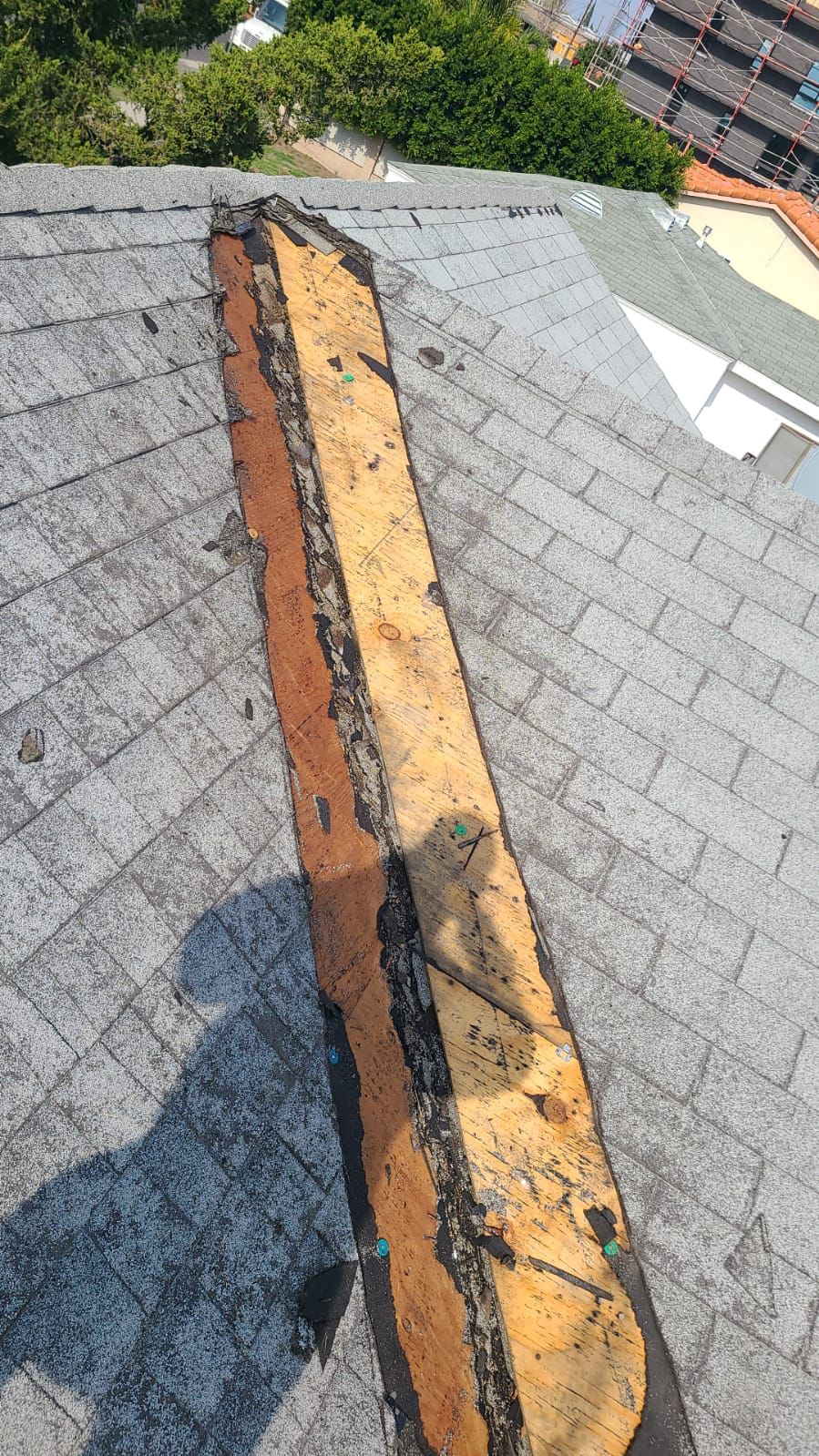
A small issue, left alone, loves to throw a party and invite all its destructive friends. What starts as a cracked tile or a tiny puncture can quickly become a gateway for water, mold, and structural headaches. The trick is catching the party before it starts. That’s where a proactive mindset—and a good roof repair specialist—comes in clutch.
The Great Repair vs. Replacement Debate: A Drama in Three Acts
This is the question that keeps many of us up at night. Do we patch it, or do we start from scratch? The cost difference is significant, so let’s break down the thought process we use with our own clients at California Green Roofing.
When a Repair is Your Best Bet
Sometimes, a targeted fix is all you need. It’s the roofing equivalent of a precise surgical procedure instead of full-blown open-heart surgery.
- The Problem is Localized: One leak in one area, a few damaged shingles after a windstorm, or a single pipe flashing that’s come loose.
- Your Roof is Relatively Young: If your roofing material hasn’t reached the end of its expected lifespan, a repair can buy you many more years of service.
- Budget is a Key Factor: Let’s not pretend price isn’t a huge consideration. A quality roofing repair is almost always more affordable in the short term than a full replacement.
We recently handled a tile roof repair in Silver Lake where just a dozen cracked mission tiles from a fallen branch were causing issues. A full replacement would have been overkill. A skilled repair restored the integrity and kept the classic look intact. It’s about applying the right solution to the right problem.
When You Need to Call in the Demolition Crew (Politely)
On the other hand, sometimes patching is just putting a band-aid on a broken arm. Here’s when we usually advise our clients that replacement is the smarter long-term play.
- Widespread Damage: If leaks are popping up in multiple, unrelated spots, it’s a systemic failure, not an isolated incident.
- The Roof is Aging Out: Most materials have a clear lifespan. Pushing a 30-year asphalt roof past 35 years with constant repairs is like replacing parts on a car with 300,000 miles—the cost never ends.
- You’re Seeing Major Structural Issues: Sagging rooflines, significant decking rot, or widespread granule loss on shingles are major red flags.
The “It’s Complicated” Middle Ground
Then there’s the gray area. This is where a professional roof inspection is worth its weight in gold. For example, widespread storm damage might be covered by insurance, making a replacement more feasible. Or, for a flat commercial roof, a full roof coating service might rehabilitate it for a fraction of a tear-off’s cost. It’s nuanced, which is why a conversation with a pro is key.
A Quick Guide to Common Roofing Headaches
Not all roof problems are created equal. Here’s a handy table we put together based on what we see most often here in LA.
| Problem | Common Signs | Typical Fix | DIY or Call a Pro? |
|---|---|---|---|
| Missing or Damaged Shingles | Visible gaps, granules in gutters, curling edges. | Replace individual shingles. | Pro. Matching old materials and sealing correctly is tricky. |
| Leaking Around Flashing | Water stains on ceilings/walls near chimneys, vents, or skylights. | Reseal or replace metal flashing. | Pro. Improper sealing is the #1 cause of repeat leaks. |
| Clogged or Faulty Gutters | Water overflowing, sagging gutters, pooling at foundation. | Clean gutters, realign, or replace sections. | DIY (if safe) or Pro. Safety on ladders is no joke. |
| Ventilation Issues | Excessive attic heat, ice dams (rare here, but still), premature aging. | Install/repair ridge, soffit, or gable vents. | Pro. Requires understanding of intake/exhaust balance. |
| General Wear & Tear | Overall fading, moss/algae growth, loose seams on flat roofs. | Roof coating services, cleaning, or roofing maintenance. | Pro for coating, DIY for basic cleaning (with care). |
Residential vs. Commercial: Two Different Beasts
We handle both, and the approach is wildly different. IMO, knowing this distinction saves everyone a lot of confusion.
The Residential Realm: Protecting Your Home Base
For your house, it’s personal. It’s about curb appeal, safety, and that feeling of your castle being secure. Residential roof repair often focuses on aesthetics as much as function—matching historical tiles, preserving a specific color, and minimizing disruption to your family life. The scale is smaller, but the emotional investment is huge. A good roofing company in Los Angeles understands that.
The Commercial World: Downtime is the Enemy
For a business, the roof is about asset protection and operational continuity. A leak over server equipment or inventory is a nightmare. Commercial roof maintenance is less about looks and more about relentless functionality and extending the asset’s life as long as possible. Commercial roof repairs need to be fast, efficient, and often happen after hours. The systems are bigger (think vast flat roofs, complex drainage), and the roof service needs to be highly systematic.
Why “Near Me” Matters More Than You Think
We’ve all searched “roof installation contractor near me” in a panic. And there’s a good reason to prioritize local, especially in a sprawling place like LA. Your nearest reputable contractor understands our micro-climates—how the marine layer affects roofs in Culver City differently than the sun bakes them in the Valley. They know the specific building codes for your city. They can get to you quickly for an emergency roof repair.
And let’s be practical: travel time for a crew from, say, Riverside to Santa Monica adds unnecessary cost and delay to your project. Local means responsive. When you work with us at California Green Roofing, based right here in Los Angeles, you’re getting a team that knows this city’s roofs inside and out because we live and work under them too.
Investing in Peace of Mind: The Unseen Value
Here’s our business standpoint, straight from years on the job: the cheapest proposal is often the most expensive choice in the long run. Skilled labor, proper materials, and meticulous installation are where the real value lies. It’s the difference between a repair that lasts a decade and one that fails next season.
Regular roof inspections are your best defense. Think of it as a routine physical for your home or business. We catch the small stuff—a cracked vent boot, a tiny bit of corrosion—before it becomes a catastrophic, wallet-draining event. It’s the ultimate “an ounce of prevention” scenario. FYI, this is one of the most valuable services we offer, because it puts the power of knowledge in your hands.
Your Top Roofing Questions, Answered
Let’s tackle a few of the most common questions we hear daily.
1. “How often should I really get my roof inspected?”
For most homes, we recommend a professional inspection every 2-3 years. After a major storm with hail or heavy winds, it’s wise to get a check-up. For commercial properties, an annual roofing maintenance inspection is a smart part of any asset management plan.
2. “Can’t I just do my own inspection from the ground?”
You should definitely do a visual check from the ground with binoculars every season. Look for obvious issues like missing shingles or sagging. But a true inspection involves safely walking the roof, checking sealants, flashing, and the underside of roofing materials. Leave that to the professionals—we have the training and safety gear to do it without creating new problems.
3. “What’s the biggest mistake homeowners make with their roofs?”
Procrastination. Hands down. We see it all the time. A small stain on the ceiling appears, and people think, “I’ll keep an eye on it.” Fast forward six months to a collapsed ceiling and rotted decking. Water is an relentless enemy. Acting fast at the first sign of trouble almost always saves you massive amounts of money and stress.
So, what’s the takeaway from our little chat? Your roof isn’t a mystery. It’s a system that needs occasional attention and expertise. Whether it’s a minor residential roof repair or a major commercial roof maintenance plan, the right approach saves you money and gives you incredible peace of mind.
If all this talk has you looking sideways at your ceiling, maybe it’s time for a professional opinion. We’re always here for a no-pressure conversation at California Green Roofing. Because in the end, a solid roof over your head is what lets you relax and forget about what’s going on up there—and that’s the whole point, isn’t it?
People Also Ask
The 25% rule in roofing is a common insurance guideline used to determine coverage for roof replacement. It states that if a roof has sustained damage to 25% or more of its total surface area, many insurance policies will cover a full roof replacement rather than just spot repairs. This rule exists because repairing only a portion of a roof that is significantly damaged can compromise the entire system's integrity and longevity. It is crucial for homeowners to have a professional inspection after a major weather event to accurately assess the damage percentage. Always review your specific insurance policy, as terms and the exact threshold can vary.
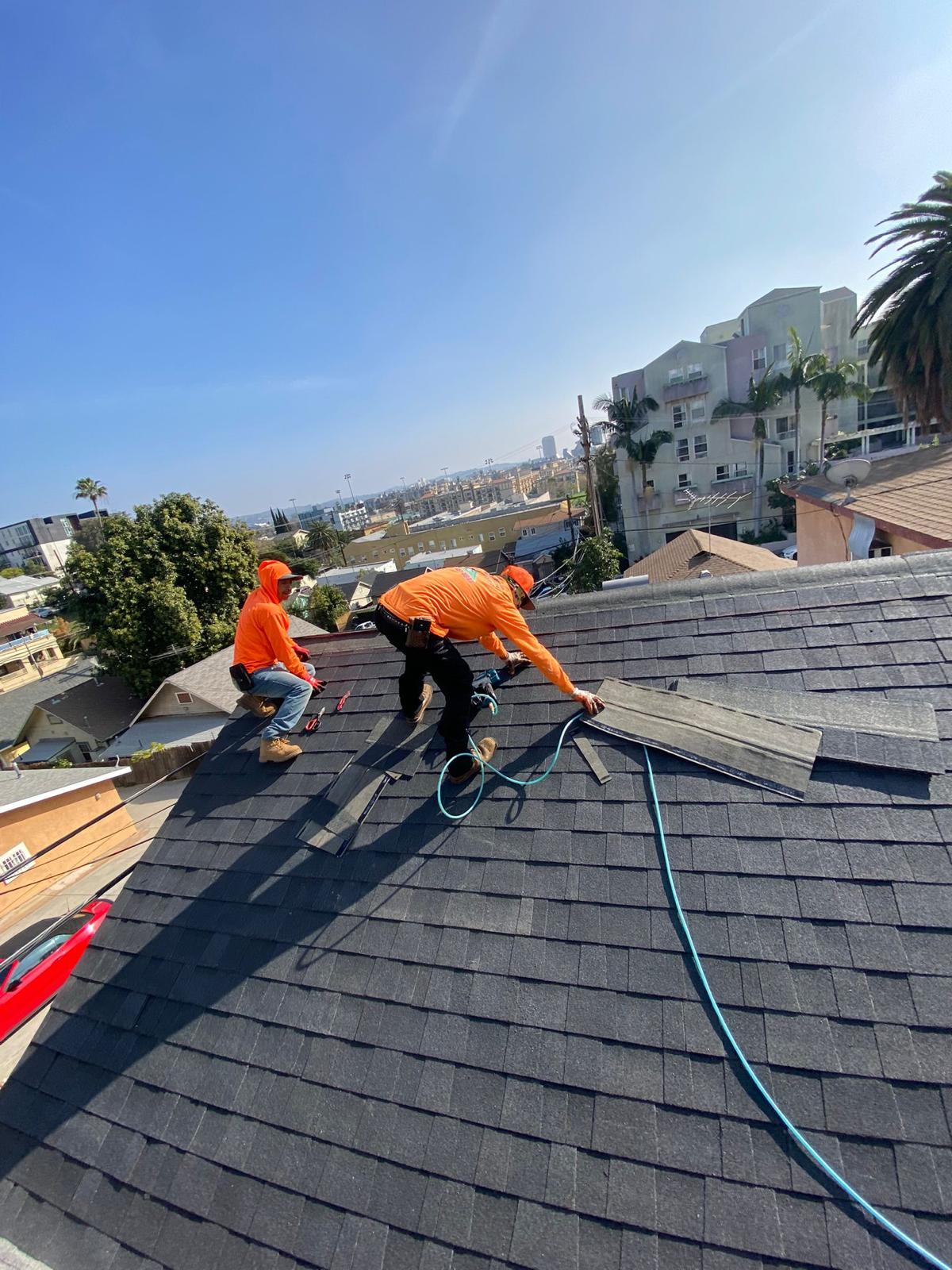
Replacing a roof is a major project that requires careful planning and execution. The process begins with a thorough inspection and obtaining necessary permits. All old roofing materials, including shingles and underlayment, must be completely removed to expose the decking. The deck is then inspected for rot or damage and repaired or replaced as needed. A water-resistant underlayment is installed, followed by drip edge flashing along the eaves. New shingles are applied from the bottom edge upward, with proper alignment and nailing patterns. Critical areas like valleys, vents, and chimneys require precise flashing installation. Finally, ridge vents and caps are installed to ensure proper ventilation and a finished look. Due to the complexity and safety risks, hiring a licensed, insured professional roofer is strongly recommended to ensure the work meets building codes and manufacturer specifications for warranty coverage.
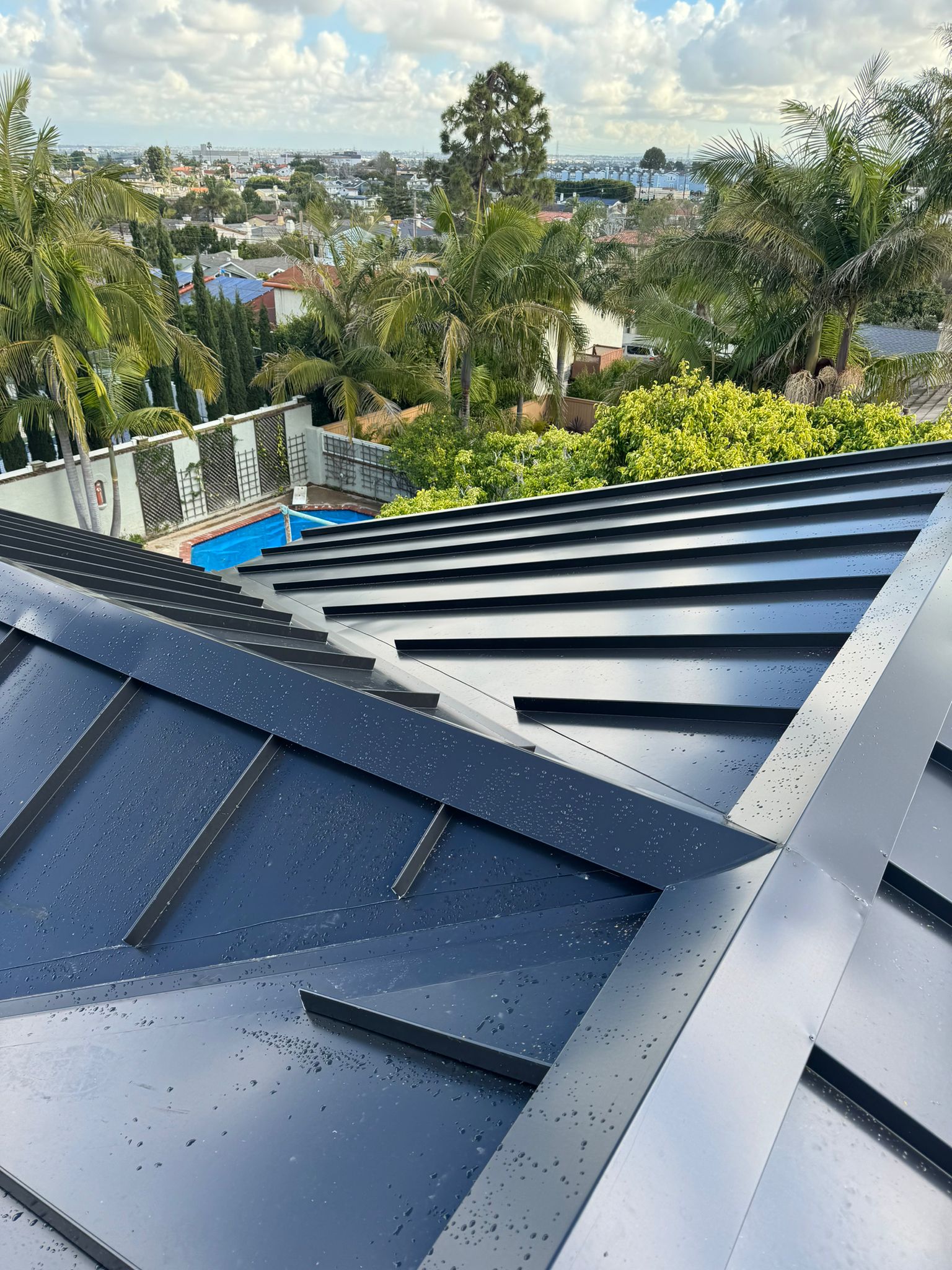
The process of replacing a roof involves several key stages to ensure durability and safety. First, a thorough inspection and estimate are conducted to assess damage and material needs. Next, obtaining necessary permits and scheduling the project is crucial. The existing roof is then carefully removed and the decking inspected for rot or damage, with repairs made as needed. Underlayment and ice/water shield are installed for protection. The new roofing materials—whether asphalt shingles, tile, or metal—are then precisely laid, starting from the eaves upward. Finally, flashing is installed around vents and chimneys, followed by a comprehensive cleanup and final inspection to guarantee quality workmanship and compliance with building codes.
The age at which a roof is considered too old for insurance coverage varies significantly by insurer, policy, and region. Generally, many insurance companies start to scrutinize roofs over 20 years old, and some may refuse to renew a policy or offer full replacement cost coverage for roofs older than 25 years. The primary concern is increased risk of leaks and storm damage. Insurers often require a professional inspection for older roofs to assess its condition. Maintaining documentation of regular maintenance and any recent repairs can be crucial. Ultimately, the specific age limit is set by your carrier, so reviewing your policy and consulting directly with your insurance agent is essential for accurate information.