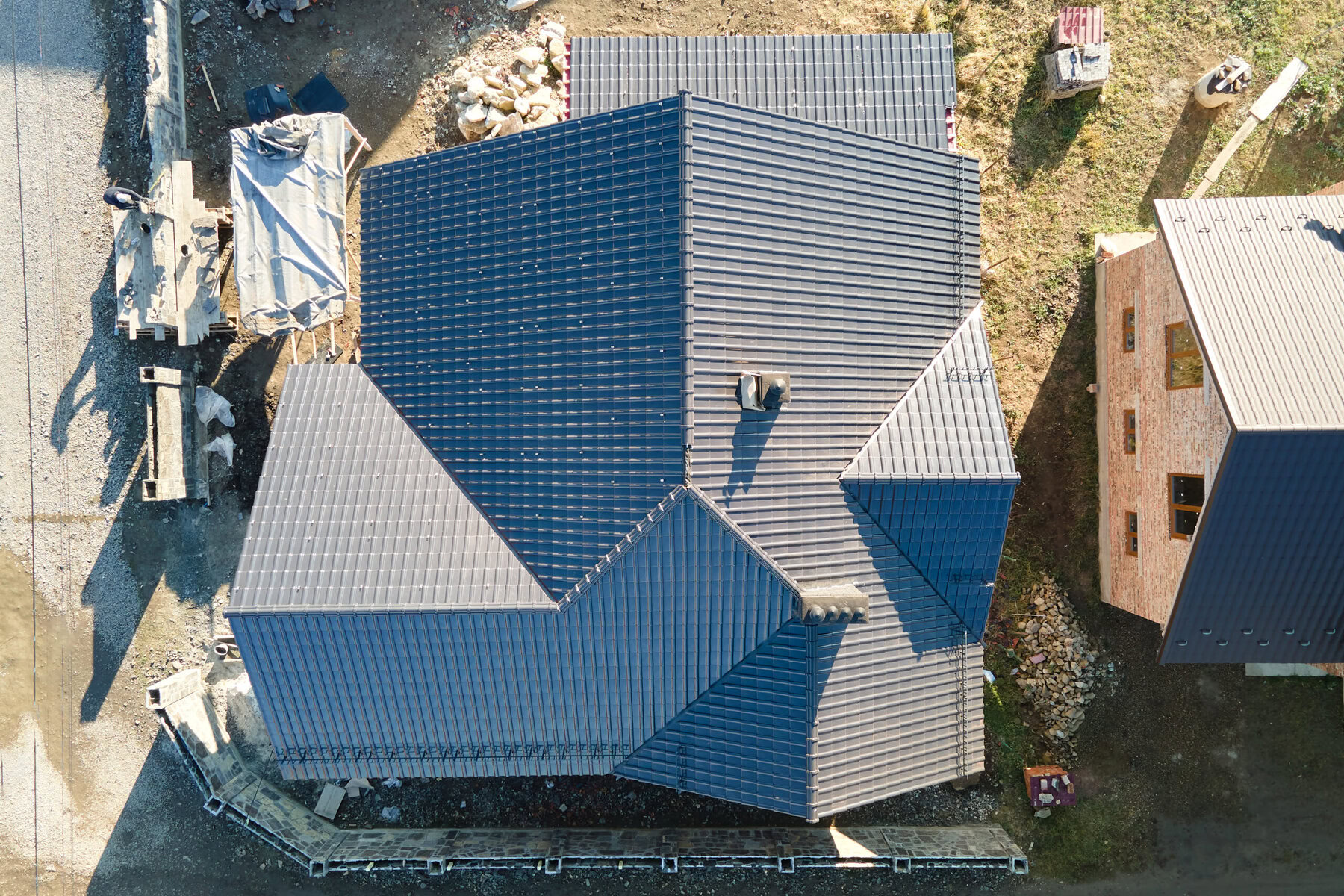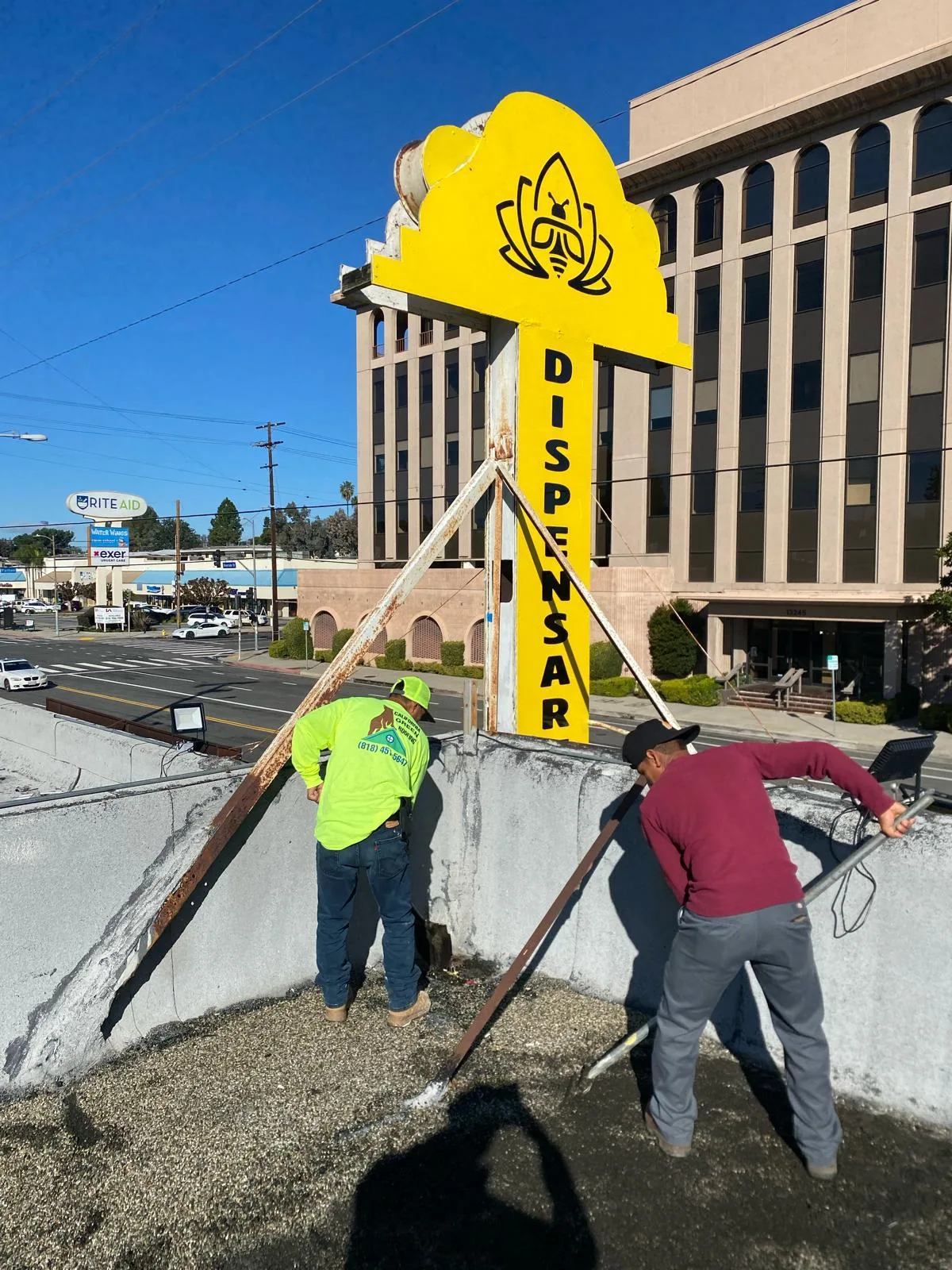
Here’s the thing about flat roofs in the Valley: if you’re not seeing a little water after a good rain, you’re probably not looking. But there’s a world of difference between temporary moisture and the silent, stubborn enemy we call ponding water. It’s the single most common call we get from property managers, and if you ignore it, it will cost you—big time. The key takeaway? Address it early, understand the root cause, and know when a simple patch just won’t cut it.
Key Takeaways
- Ponding water isn’t just a cosmetic issue; it’s a structural and financial liability that accelerates roof decay and voids warranties.
- The fix is almost never just “draining the puddle.” Effective repair requires diagnosing the underlying cause, which is usually related to roof slope (or lack thereof).
- In the San Fernando Valley’s climate, with our intense sun and occasional heavy rains, temporary solutions like sealants are just that—temporary.
- Knowing when to repair versus when a full replacement or professional re-sloping is necessary can save you tens of thousands in cascading damage.
Table of Contents
What Exactly Is Ponding Water (And Why It’s Not Your Friend)
Let’s clear up a common misconception first. A damp spot that dries within 24-48 hours after a storm? That’s fairly normal for a flat or low-slope roof. Ponding water is defined as standing water that remains for more than 48 hours. It’s the persistent pool that becomes a permanent feature on your roof deck.
Why is this so bad? Think of it as putting your roof in a constant, slow cooker. The water relentlessly degrades the roofing membrane, whether it’s modified bitumen, TPO, or EPDM. It adds immense, uneven weight stress—a square foot of water weighs over 62 pounds. In our Valley heat, that water heats up, speeding up chemical breakdown. It becomes a breeding ground for algae and microorganisms that further eat away at materials. And perhaps most critically, it voids the warranty on nearly every major roofing system out there. Manufacturers build their warranties around proper drainage; standing water is a clear sign that condition isn’t met.
The Real Reasons Water Pools on Your Valley Property
You can’t fix what you don’t understand. Over the years, we’ve seen the same culprits again and again. It’s rarely just one thing.
The Primary Culprit: Inadequate Slope
This is the big one. Flat roofs aren’t actually flat; they’re built with a slight pitch (usually a minimum of 1/4″ per foot) to guide water toward drains or scuppers. Over time, that slope can fail. The roof deck itself can sag or settle, especially in older buildings across neighborhoods like Van Nuys or Northridge where soil movement is common. Sometimes, the issue was there from day one—a subpar installation where the slope simply wasn’t built to spec.
The Silent Contributors: Clogged Drains and Structural Sag
You’d be amazed how often a simple blocked drain is the root of a major problem. Wind blows debris, HVAC units shed leaves and grit, and before you know it, your primary drain is a clogged bathtub drain. The other issue is structural sagging between the supports (joists or decking). This creates localized low spots, or “birdbaths,” that trap water away from the main drains. We see this frequently on larger complexes in Panorama City or Reseda, where roof spans are wide and aging.
Your Repair Options: A Practical (and Honest) Breakdown
Here’s where theory meets the asphalt. Throwing sealant at a ponding problem is like using a band-aid on a broken arm. It might cover the visible symptom, but the break is still there. Let’s talk real solutions.
The most effective, long-term fix is often re-sloping the roof deck or installing tapered insulation. This involves adding rigid foam insulation boards that are cut on a slope, creating a new, proper pitch to direct water to drains. It’s not the cheapest option upfront, but it solves the core problem, adds insulation value (a huge plus for our climate), and protects your investment. For localized sagging, sometimes spot-leveling with lightweight concrete or specialized compounds can restore the slope in a specific area.
Another approach is installing additional drainage. If the existing drains are insufficient, adding a new drain or overflow scupper in the persistent ponding area can provide relief. This is a solid middle-ground solution but requires precise cutting into the roof membrane and integrating the new drain properly—a job for a pro to avoid creating a new leak point.
Then there are membrane enhancements. For some single-ply systems, a professional can create a “cricket” or saddle—a raised area that diverts water—out of the membrane material itself. It’s a craft-specific solution that works well for certain scenarios.
When a “Repair” Isn’t Enough: The Replacement Conversation
We’ve had to give this talk to more than one frustrated manager. If your roof is nearing the end of its service life (20+ years for many systems), if the ponding is widespread, or if the deck structure itself is compromised, pouring money into repairs is a losing battle. You’re patching a sinking ship.
A full roof replacement is the time to correct all slope issues from the substrate up. It’s a major capital expense, but for a property in Tarzana or Encino facing constant leak complaints and emergency patches, it becomes a matter of long-term operational budgeting and tenant retention. The peace of mind and warranty that comes with a properly installed, correctly sloped new system is often worth the leap.
The Cost of Waiting: More Than Just a Roof Leak
Procrastination is expensive. Beyond the obvious—roof failure and interior water damage—ponding water creates a cascade of other costs. The constant moisture dramatically shortens the life of your HVAC units sitting on the roof. It leads to higher cooling costs as the saturated roof loses its reflective and insulating properties. It can cause corrosion of metal roof components and decking. And from a liability standpoint, the potential for mold growth in the ceiling cavity below is a serious health and legal risk.
We once worked on a commercial building near the 118 freeway where ponding had been ignored for so long that the roof deck had begun to rot. The “repair” bill turned into a six-figure structural remediation project. An annual inspection and a $5k corrective slope job five years prior would have prevented it all.
Why This Isn’t a DIY Project (And When to Call Us)
We get it. Budgets are tight, and the handyman’s quote to “seal it up” is tempting. But roof work, especially corrective work for ponding, is a systems-level trade. It requires understanding structural loads, drainage calculations, and complex material compatibilities. Using the wrong sealant can actually damage the existing membrane. Improperly installing a drain can create an immediate leak. And walking on a compromised, water-logged roof deck is a genuine safety hazard.
If you’re seeing persistent ponds that last for days, if you’re patching recurrent leaks in the same interior ceiling area, or if your annual inspection report flags ponding water, it’s time to bring in a specialist. A qualified roofer will perform a core cut or moisture survey to see what’s happening beneath the membrane—the part you can’t see. That intelligence is what informs the right solution.
For us at California Green Roofing, serving Los Angeles properties, this diagnosis is where we start every ponding water investigation. We’ve seen how the specific challenges of the Valley—from the sun-baked membranes in Woodland Hills to the older building stock in San Fernando—demand tailored solutions. If you’re managing a property here and the puddles are winning the battle, getting a professional assessment based on real standards is the smartest first move you can make.
Making the Decision: A Practical Guide
So, you’ve got a ponding problem. How do you move forward? Let’s break down the decision path based on what we’ve seen work (and fail) time and again.
| Scenario | Likely Cause | Recommended Action | Why This, Not That |
|---|---|---|---|
| One or two small, defined ponds after rain that slowly evaporate. | Localized deck sag or minor settlement. | Spot correction. This could be tapered insulation patches or leveling compounds. | A full re-slope is overkill. Patching the membrane alone ignores the structural dip, so the water will return. |
| Large, interconnected ponds across multiple roof areas. | Widespread inadequate slope or significant structural deflection. | Professional assessment for re-sloping or replacement. This is a systemic issue. | Adding drains just moves the problem. You need to correct the field of the roof itself. |
| Ponding around drains or scuppers. | Clogged drainage OR the drain is installed at a high point (yes, we’ve seen it). | Clear drains first. If ponding remains, investigate drain re-positioning or adding a cricket. | Installing a second drain nearby might help, but if the drain is the high spot, you’re just adding another one. Fix the elevation. |
| Ponding on a roof >15 years old with other issues (blisters, widespread patches). | End-of-life membrane combined with slope failure. | Plan for replacement with integrated slope correction. | Sinking money into major repairs on a failing system is a temporary fix at best. Budget for the inevitable. |
Wrapping Up: A Matter of Stewardship
Dealing with ponding water isn’t glamorous property management work. It’s not like renovating a lobby. But it is fundamental stewardship of one of your asset’s most critical—and expensive—components. The goal isn’t to achieve a perfectly puddle-free roof after every drizzle; that’s unrealistic. The goal is to ensure your roof system is actively working to shed water as intended, protecting everything underneath it for the long haul.
It comes down to a shift in perspective: see ponding water not as a minor maintenance item, but as the primary symptom of a drainage system in distress. Address it with that seriousness, and you’ll avoid the midnight emergency calls, the angry tenant emails, and the shocking capital outlay down the line. Your roof, your budget, and your future self will thank you.