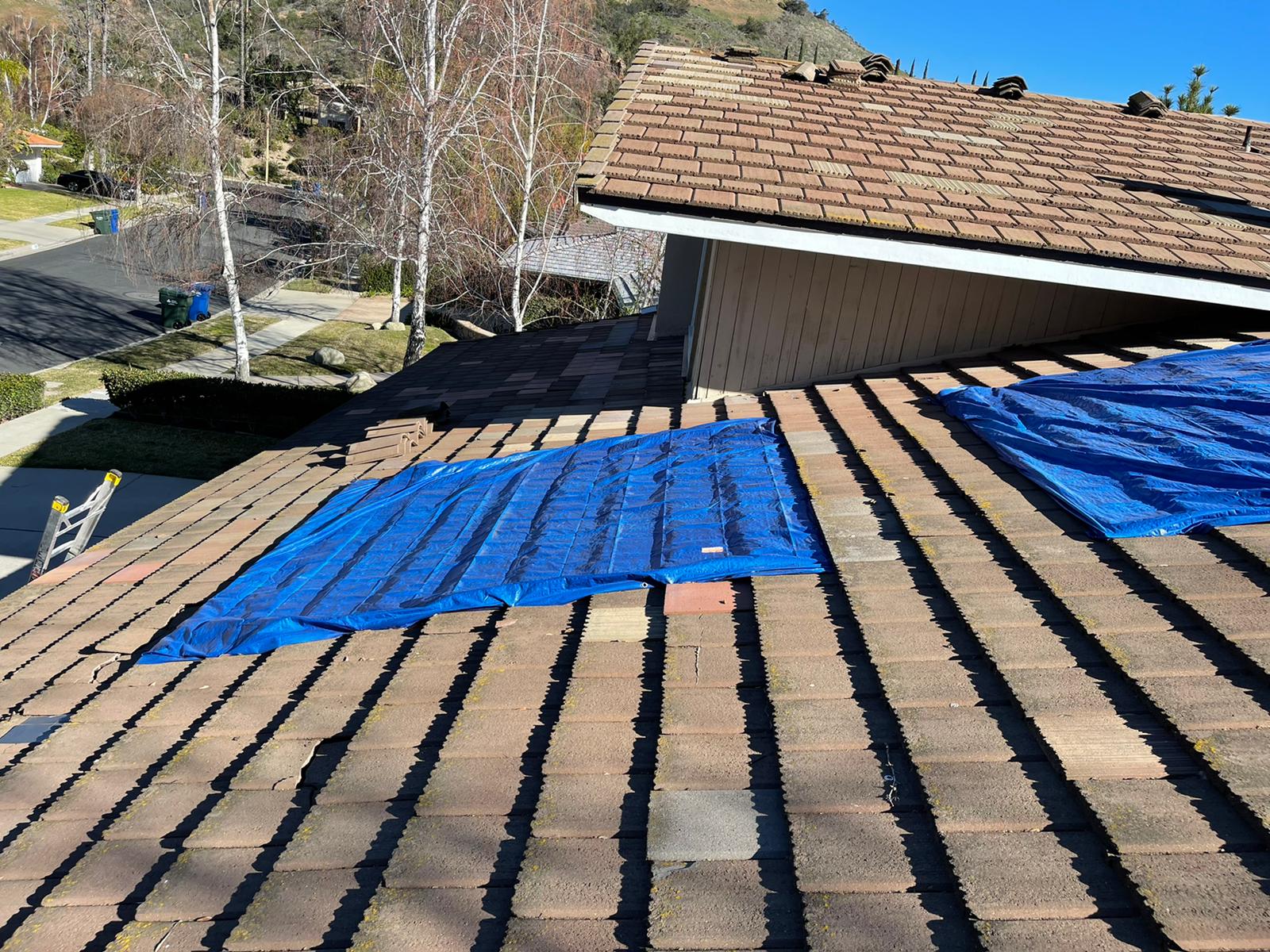
Let’s be honest, our roofs don’t get a lot of love until something goes wrong. We notice a leak, spot a missing shingle, or see our neighbor getting a gorgeous new roof and suddenly we’re in a panic, searching for the nearest roofing company that won’t ghost us or charge a small fortune. Sound familiar? We’ve been there, and from our side of the business at California Green Roofing in Los Angeles, we see it every single day. So, let’s have a real chat about what it actually takes to keep that crucial lid over your head in tip-top shape, whether you’re dealing with a minor drip or planning a full overhaul.
Table of Contents
The Real Cost of Roofing: More Than Just Shingles and Labor
When we get a call for a quote, the first question is almost always about price. And it’s a fair question! But the cost of a roofing project is a bit like an iceberg—what you see upfront is just a fraction of the whole story. An affordable roof isn’t the cheapest one; it’s the one that provides the best value over its entire lifespan.
A lowball estimate might save you money today, but if it means subpar materials or rushed work, you’ll be paying for it again in a few years. We’ve seen it happen. A true roof repair specialist considers the long game. They factor in material durability, local weather patterns (hello, LA sun!), proper ventilation, and even future energy savings. That’s the philosophy we stick to at California Green Roofing. We’d rather you understand the full picture from the start than be surprised later.
The Repair vs. Replace Dilemma: A Roofing Company’s Perspective
How do you know if you need a simple patch or a whole new roof? It’s the million-dollar question (or, hopefully, the thousand-dollar question).
The Case for Residential Roof Repair
For many issues, a targeted fix is all you need. Think of things like:
- A few damaged tiles or shingles after a windstorm.
- Isolated leak around a chimney or vent pipe.
- Minor flashing issues.
A skilled professional can handle these with precision, saving you the major investment of a full replacement. This is where regular roofing maintenance pays for itself tenfold. Catching a small problem during a routine roof inspection means a simple, affordable roof service instead of a catastrophic failure.
When You Need to Talk to a Roof Installation Contractor
Sometimes, repair is just putting a band-aid on a broken arm. Here are the signs it’s time for a bigger conversation:
- Multiple leaks across different areas of the roof.
- Widespread curling, cracking, or missing shingles.
- Sagging rooflines (this one’s serious—call someone today).
- Your roof is older than most pop stars’ careers (20+ years for asphalt, 25+ for tile).
If you’re seeing a cluster of these issues, investing in a new roof is the smarter financial move. Continual roofing repair bills add up fast.
A Tale of Two Roofs: Residential vs. Commercial
The approach to roofing changes dramatically depending on whether you’re protecting a family home or a business asset. It’s not just about scale; it’s about function and disruption.
Residential Roof Repair: Your Sanctuary
Your home’s roof is about aesthetics, safety, and comfort. Tile roof repair, for instance, is common here in LA. It requires a specific skill set to match the color and style without damaging surrounding tiles. The process is personal—we’re working on your home. Minimizing noise, protecting your landscaping, and cleaning up meticulously are just as important as the technical work. It’s why we treat every residential roof repair job like we’re working on our own neighbor’s house.
Commercial Roof Maintenance: Protecting Your Bottom Line
For a business, the roof is a critical asset that protects inventory, equipment, and operations. Commercial roof repairs need to happen with minimal disruption. You can’t have a leak dripping onto server racks or into a restaurant kitchen. Proactive commercial roof maintenance is non-negotiable. It includes scheduled roof inspections, cleaning drains, and services like roof coating services to extend the life of the membrane. For a business owner, this planned upkeep is far less expensive than an emergency shutdown for major repairs. It’s a core part of the service we provide for our commercial clients across Los Angeles.
Your Roof’s Best Friend: The Humble Roof Inspection
We know, scheduling a roof inspection sounds about as exciting as watching paint dry. But trust us, it’s the single most important thing you can do. Think of it as a yearly physical for your house. We climb up there, poke around, and look for the subtle signs of trouble you’d never see from the ground.
A good inspection from a company like California Green Roofing will give you a clear, honest assessment and a roadmap. Maybe you need a few small fixes now, or perhaps we can recommend a protective roof coating service to buy you several more years. It gives you control and eliminates the panic of a surprise leak. Why wait for a crisis when you can prevent it?
Navigating the LA Roofing Landscape: A Few Insider Tips
Los Angeles is a unique beast for roofs. The intense UV radiation, occasional Santa Ana winds, and yes, even those rare rainy seasons, all take their toll. Here’s a quick comparison of common materials we see and work with:
| Material | Pros (The Good Stuff) | Cons (The Reality Check) | Best For… |
|---|---|---|---|
| Asphalt Shingles | Cost-effective, versatile, easy to install. | Shorter lifespan, can fade in sun, less eco-friendly. | Homeowners needing an affordable, reliable option. |
| Clay & Concrete Tile | Iconic LA look, extremely durable, fire-resistant. | Heavy (needs strong framing), fragile to walk on, tile roof repair can be tricky. | Those wanting classic aesthetics and longevity. |
| Metal Roofing | Long-lasting, energy-efficient, great for rainwater collection. | Higher upfront cost, can be noisy in rain, installation is key. | Modern homes, eco-conscious builds, commercial applications. |
| Single-Ply (TPO/PVC) | Excellent for flat roofs, reflective, relatively lightweight. | Primarily for low-slope commercial roofs, requires professional installation. | Commercial roof maintenance and new installations. |
Finding a Pro You Can Trust
Okay, rant time. The roofing world has its share of… let’s call them “fly-by-night” operators. How do you find the real deal?
- Look for Local Longevity: A company that’s been around has a reputation to uphold. We’ve built California Green Roofing on referrals from satisfied customers across Los Angeles.
- Verify Licensing & Insurance: This is non-negotiable. IMO, if a contractor hesitates to show you proof, show them the door.
- Get Detailed Estimates: A price should be a detailed scope of work, not a number scribbled on a napkin.
- Communication is Key: You want a roofing company that answers the phone, explains things clearly, and treats you with respect. FYI, that should be the bare minimum.
Your Top Roofing Questions, Answered Straight
We hear these all the time, so let’s tackle them head-on.
1. “How often should I really get my roof inspected?”
For most homes in LA, once a year is ideal. The best time is late spring or early summer, after the winter rains and before the intense heat. For commercial properties with flat roofs, twice a year (before and after the rainy season) is a smart part of your commercial roof maintenance plan.
2. “Can I just do the repair myself?”
We get the DIY spirit, we really do. But for anything beyond replacing a single, easily accessible shingle, please call a pro. Roof work is dangerous, and improper fixes often cause more damage and lead to higher costs. What starts as a $300 DIY project can quickly become a $3000 repair for a roof repair specialist to untangle.
3. “What’s the biggest mistake homeowners make with their roofs?”
Ignoring the small stuff. That tiny leak in the corner of the garage? The few granules in the gutter? Those are your roof crying for help. Addressing minor issues promptly is the ultimate secret to avoiding a massive, wallet-draining replacement project later.
Wrapping It All Up
At the end of the day, your roof is a system. It needs attention, understanding, and care from someone who looks at the whole picture, not just the obvious hole. Whether it’s a residential roof repair on a charming bungalow or a full-scale commercial roof maintenance program for a downtown warehouse, the principles are the same: quality materials, skilled workmanship, and honest communication.
We built California Green Roofing in Los Angeles on that belief. We’re not just another faceless roofing company; we’re your neighbors who happen to know a ridiculous amount about keeping you dry. So if you’re scratching your head about a stain on the ceiling, planning your next property investment, or just want the peace of mind that comes with a professional roof inspection, give us a shout. Let’s keep a good roof over your head, together.
Related Articles
Why PVC Membranes Are A Smart Choice For Restaurant Roofs
How To Properly Flash And Seal Skylights On Reseda Homes To Prevent Costful Leaks
The Los Angeles Homeowner’s Guide To Detecting And Repairing Hidden Roof Leaks Before They Spread
People Also Ask
A leak in roofing is defined as any unintended passage of water through the roof assembly, typically caused by a failure in the waterproofing membrane, flashing, or sealant. In the Los Angeles and San Fernando Valley area, leaks often result from sun-damaged materials, improper installation, or clogged drainage. At California Green Roofing, we emphasize that a leak is not just a drip; it can also manifest as hidden moisture that damages insulation or decking. Prompt detection and repair are critical to prevent structural decay and mold growth.
The correct spelling is leak, referring to an unwanted escape of water or fluid. A leek is a type of vegetable. For roofing concerns, a leak is a common issue that requires prompt attention. California Green Roofing recommends regular inspections to identify potential weak points, such as damaged flashing or worn seals, which can lead to leaks. Proper maintenance helps prevent water intrusion and protects your property.
The term "leak fruit" is not a recognized industry term in roofing. You may be referring to "leak" issues caused by fruit-bearing trees near a roof. Fallen fruit or debris from trees can clog gutters and downspouts, leading to water backup and potential roof leaks. Additionally, overhanging branches can scrape and damage roofing materials, creating entry points for moisture. To prevent this, ensure regular gutter cleaning and trim branches away from the roof. For expert assessment of any leak concerns, California Green Roofing recommends a professional inspection to identify the source and provide a durable solution.