Key Takeaways: Stop the panic, start the process. Your immediate goals are to contain the damage, protect your home’s interior, and safely document the issue until a professional can make a permanent repair. Speed matters, but so does safety—never risk injury for a temporary fix.
We’ve all been there. It’s 2 AM, the Santa Anas have finally given way to a proper downpour, and that rhythmic plink… plink… plink in the hallway tells you the worst has happened. Your roof is leaking. In Reseda, our rainy season might be short, but when it hits, it can be intense, turning a minor vulnerability into a major indoor waterfall. The immediate panic is real, but it’s also the enemy. What you do in the next 30 minutes can mean the difference between a manageable repair and a cascading disaster of water damage, mold, and astronomical repair bills.
First, let’s define what we’re dealing with. An emergency roof leak isn’t just a damp spot; it’s active, dripping water intrusion that threatens your home’s structure, electrical systems, or personal belongings. It demands immediate action to mitigate damage.
Table of Contents
The First 10 Minutes: Triage Inside Your Home
Your instinct might be to run outside with a flashlight, but in a driving rainstorm, that’s a bad idea. Start inside where you can actually control the situation.
Locate the Source (Or, More Accurately, the Symptom)
That drip from the ceiling is often feet away from the actual breach in your roof. Water travels along rafters, sheathing, and pipes before it finally gives in to gravity. Grab buckets, trash cans, pots—anything that holds water. Place them under the active drips. Then, look up. Can you see a stain spreading? A bulge forming in the drywall? That bulge is a “water blister,” and it’s a ticking time bomb.
The Gentle Poke vs. The Controlled Release
Here’s a bit of practical, if slightly nerve-wracking, advice. If you see a significant bulge filling with water, you may need to release it. Poke a small hole in the center of the bulge with a screwdriver or pencil. Why? A gallon of water trapped in your ceiling weighs over 8 pounds. A large blister can collapse suddenly, causing far more damage and creating a safety hazard. By making a small, controlled hole, you allow the water to drain into your bucket in a steady stream, relieving the pressure. It’s messy, but it’s the lesser evil.
Move What You Can, Photograph Everything
Pull furniture, rugs, and electronics away from the affected area. If you have valuable art or heirlooms on the wall, move them. Then, use your phone. Take clear, well-lit photos and videos of the leak, the water trails, the damage to your belongings, and your makeshift containment system. This isn’t just for social media; it’s critical for your insurance claim and for helping your roofer understand the water’s path later.
The Temporary Patch: A Stopgap, Not a Solution
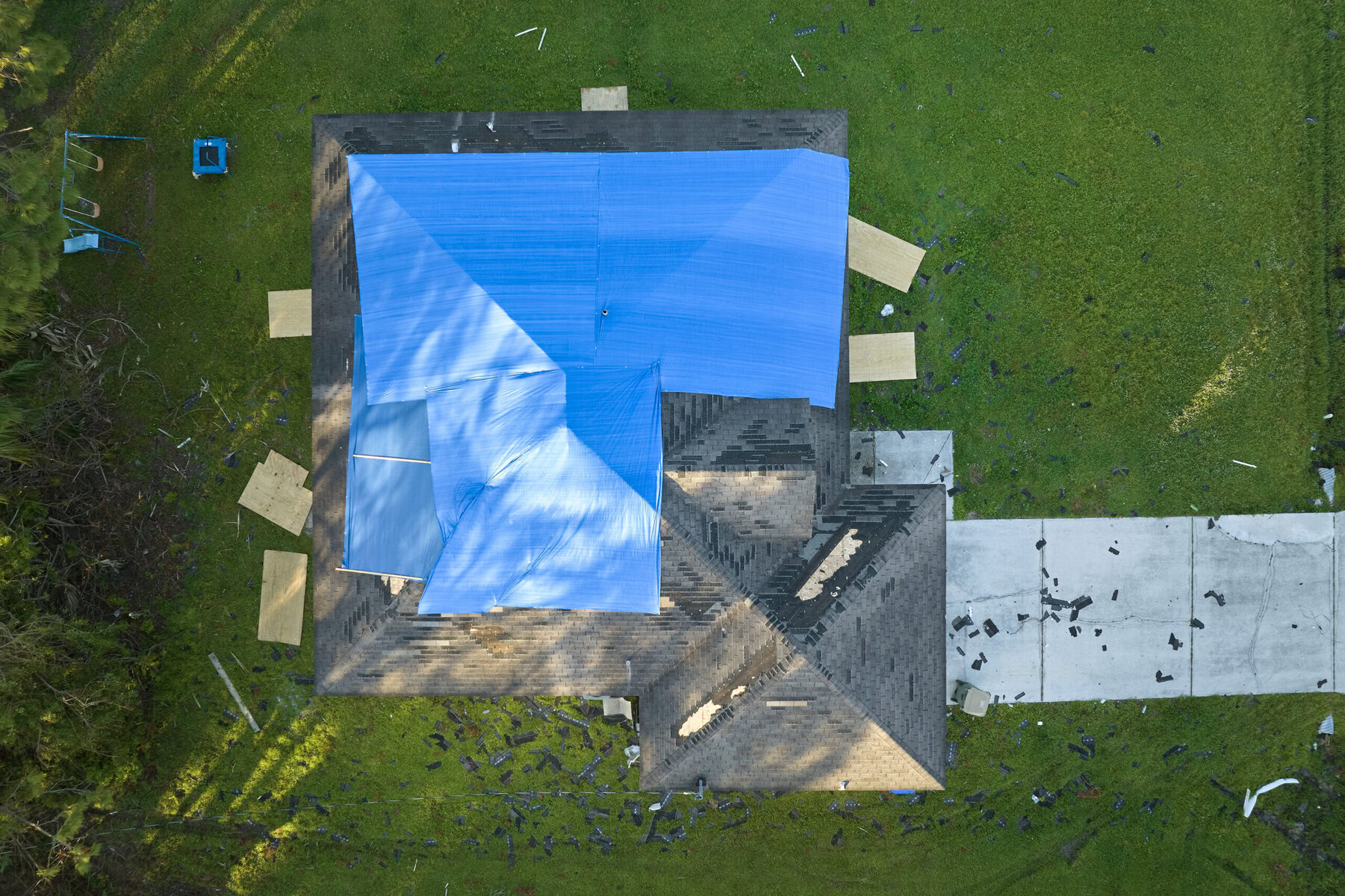
Once the interior is stabilized, you can think about a temporary external fix. This step is only if it is safe to do so. Never go on a wet, steep roof. If the leak is over a single-story area with safe access (like a porch roof), and the rain has lightened to a drizzle, you might attempt this.
The Tools of the Band-Aid Brigade
For a temporary patch, you’re not looking for perfection. You’re looking for “good enough to get through the night.” Your kit should include:
- A large tarp (at least 6’ x 8’). This is your MVP.
- Roofing nails or long, thin screws with large washers.
- Duct tape (for sealing edges from inside an attic, not for the outside roof).
- A hammer or cordless drill.
- A sturdy ladder placed on solid ground.
The goal is to drape the tarp over the suspected leak area, ensuring it extends over the roof’s ridge (the peak). This way, water flows over the tarp, not under it. Secure the tarp at the top and sides with your nails or screws and washers. Don’t skimp on fasteners; wind is your next enemy. This isn’t pretty, and it won’t last the season, but it can redirect water away from the breach.
When to Absolutely Call a Professional (Spoiler: It’s Sooner Than You Think)
Many homeowners in the Valley try to ride it out, thinking they’ll call someone when the weather clears. Here’s the reality we see every season: the phone lines at every reputable roofing company light up the moment the rain stops. The wait list grows. And while you wait, hidden water is wicking into your roof sheathing, compromising its structural integrity and creating the perfect petri dish for mold.
You should call a pro immediately if:
- The leak is near any electrical fixture, like a ceiling fan or recessed light.
- You hear cracking or see significant sagging in the ceiling.
- The leak is widespread or you see multiple entry points.
- You simply aren’t comfortable or safe doing any temporary work.
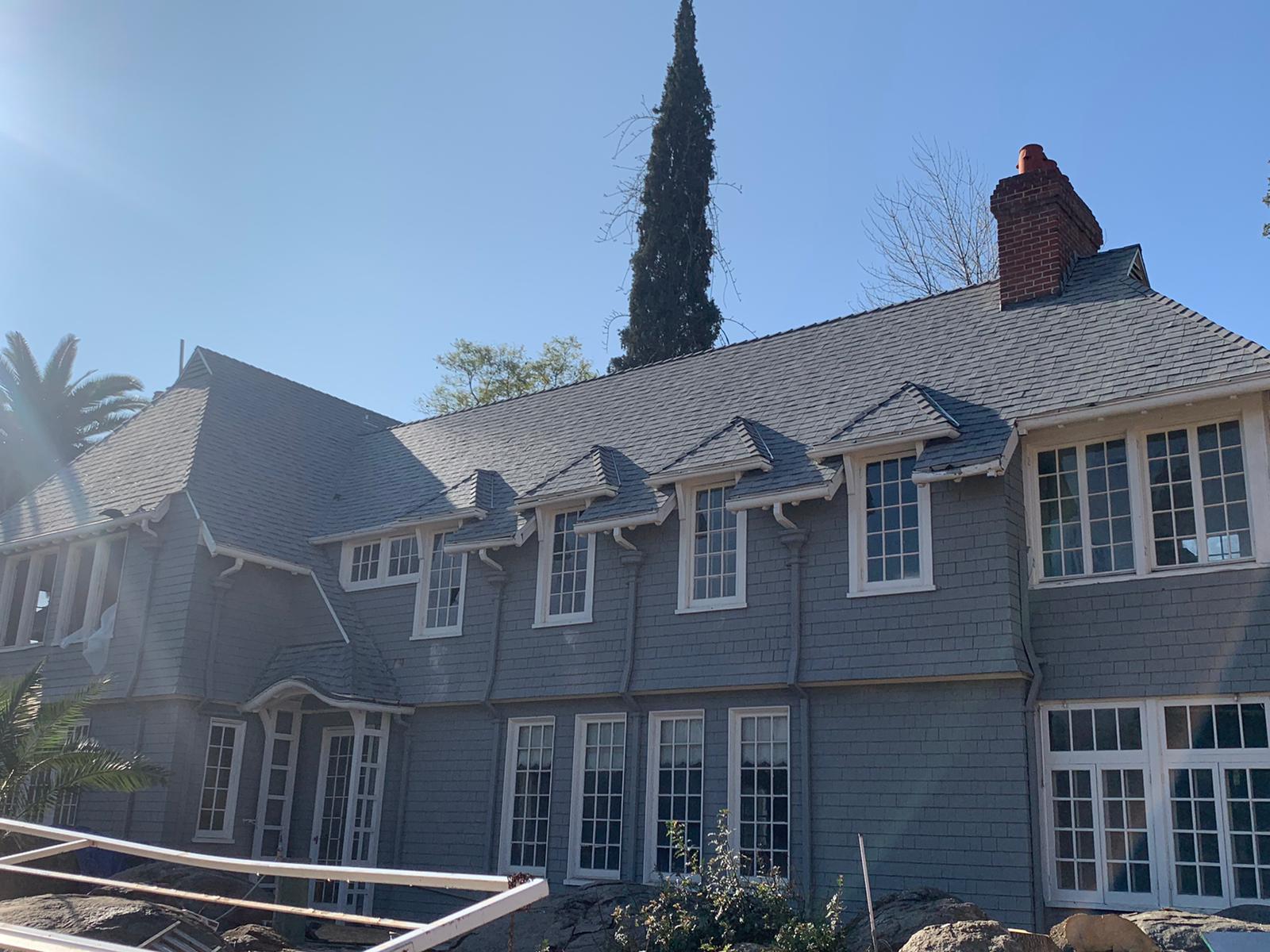
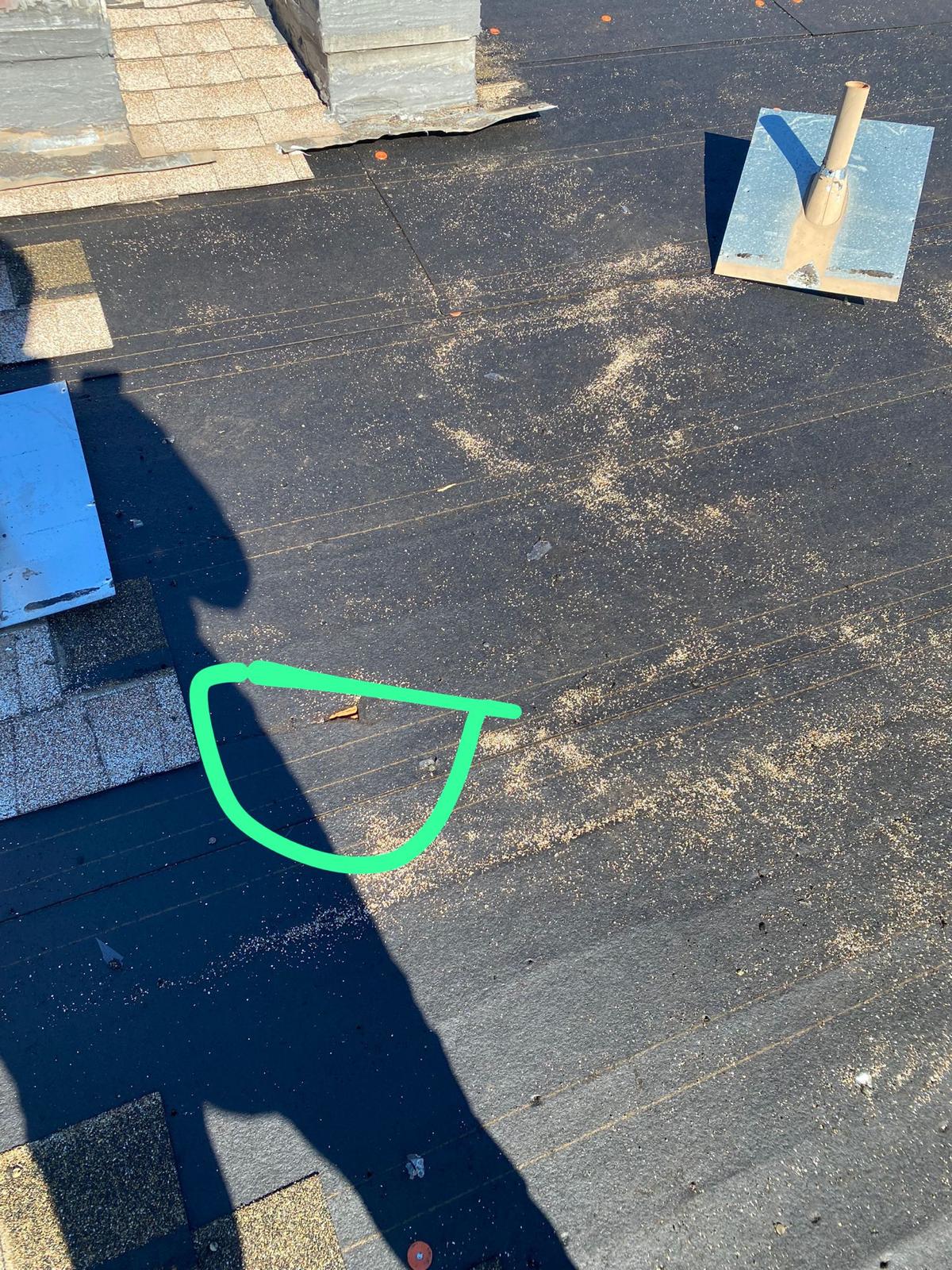
In Los Angeles, and especially in older Reseda neighborhoods with mature trees, the cause is often a combination of worn-out flashing around chimneys or vents, or compromised shingles from sun damage that finally fail under a heavy load. A professional crew can often perform an emergency “dry-in” – a more secure temporary seal – to get you through the storm, and then schedule the proper repair. The cost of that emergency call is almost always less than the cost of repairing ruined drywall, insulation, and flooring.
Navigating the Aftermath: Insurance, Estimates, and Permanent Repair
The rain has stopped. The buckets are put away. Now the real work begins.
The Insurance Dance
Call your homeowner’s insurance provider to report the claim. They will likely send an adjuster. This is where your photos and videos are gold. Be prepared for a process; most policies cover “sudden and accidental” damage (like a tree limb puncturing your roof) but may have limitations for wear-and-tear or lack of maintenance. Having a trusted local roofer inspect the damage before you speak with the adjuster can be invaluable. We’ve seen too many homeowners accept an adjuster’s insufficient assessment only to find more extensive (and expensive) damage during the repair.
Choosing Your Roofer: Look Beyond the Flashy Truck
After a major storm, “storm chaser” roofers descend. They often have out-of-state plates, offer deals that seem too good to be true, and pressure you to sign a contract immediately. Your best bet is a locally-owned, established company. Check for a valid California State License Board (CSLB) license, local references, and a physical address. A good roofer will provide a detailed, line-item estimate and explain exactly what needs to be done and why.
Understanding the Repair vs. Replacement Threshold
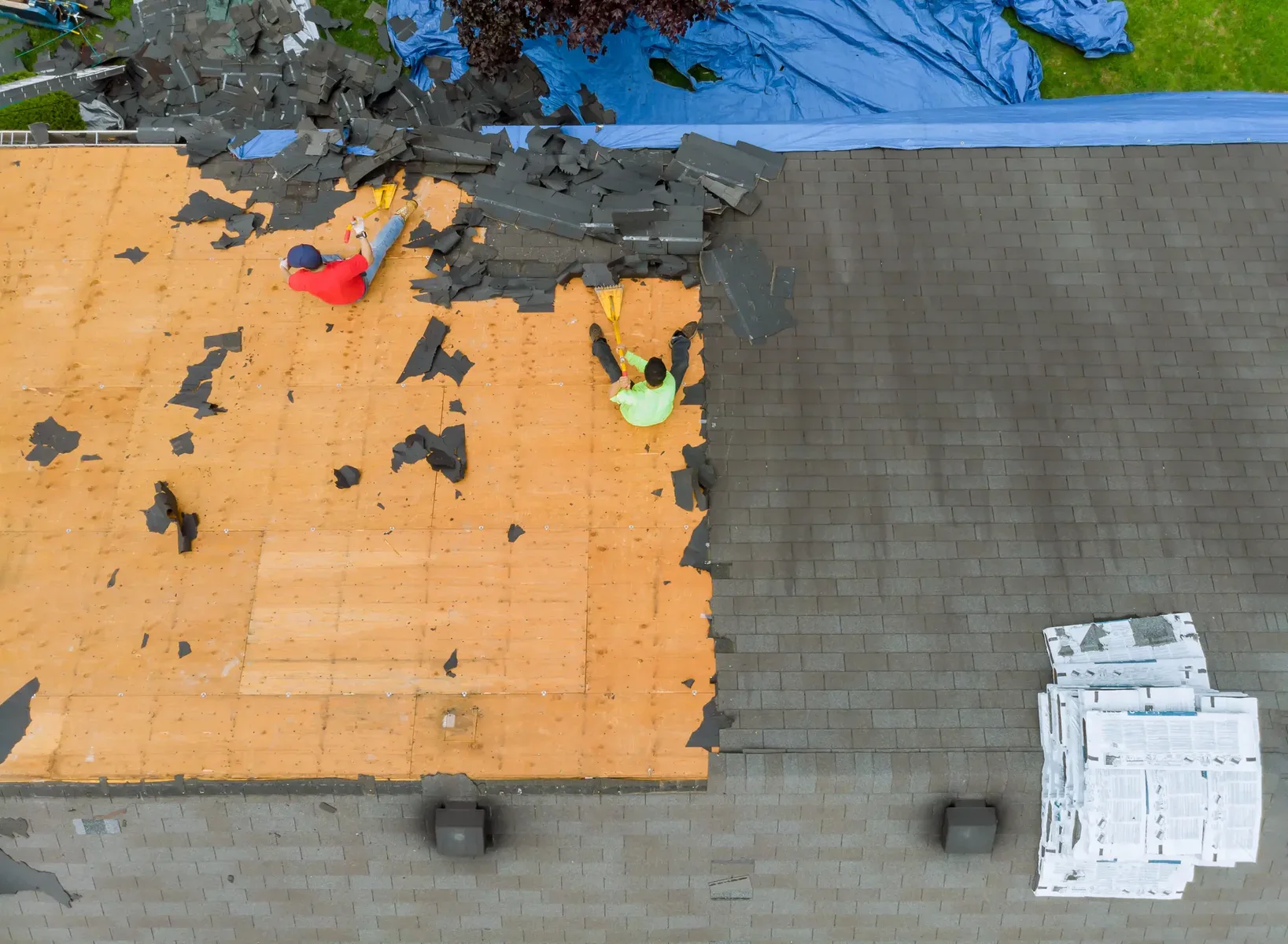
This is a critical financial decision. A repair addresses the specific failed area. A replacement is a new roof. The right choice depends on the roof’s age, the extent of the damage, and the condition of the surrounding materials. If your 20-year-old composite roof has a leak in one valley, but the rest is brittle and granule-less, patching that valley is just solving today’s problem. Next winter, a new leak will likely appear elsewhere.
Here’s a rough guide to the trade-offs:
| Approach | Best For | Pros | Cons & Real-World Constraints |
|---|---|---|---|
| Targeted Repair | Isolated damage on a relatively young roof (under 10 years). A single failed pipe boot, a small section of damaged flashing. | Cost-effective short-term fix. Faster to schedule and complete. | Can be a “whack-a-mole” solution on older roofs. Matching existing shingles for a seamless look can be impossible after a few years of sun fade. |
| Section Replacement | Significant damage confined to one roof plane (e.g., the entire north-facing side is compromised). | More comprehensive than a patch, less costly than a full replacement. Resets the clock on that section. | Creates a “patchwork” appearance. Blending the new section with the old can be challenging, potentially affecting curb appeal and resale value. |
| Full Roof Replacement | Widespread damage, multiple leaks, or a roof nearing the end of its lifespan (15+ years for asphalt). | Long-term peace of mind. Often comes with a new, transferable warranty. Improves energy efficiency and home value. | Significant upfront investment. Requires more time for planning, permitting (in some LA areas), and installation. |
The Reseda-Specific Considerations
Let’s get hyper-local for a moment. Working in Reseda and across the San Fernando Valley, we see patterns. Many homes here were built in mid-century booms. Those classic ranch-style roofs have low slopes, which are more prone to pooling water if not perfectly maintained. The soil shifts, foundations settle, and that can subtly change the roof’s drainage. We also have those gorgeous, massive trees along White Oak Ave and in neighborhoods near Reseda Park. While beautiful, their overhanging branches deposit debris and, in a windstorm, can become projectiles.
Furthermore, the temperature swings from a scorching summer day in the Valley to a cool night cause roofing materials to expand and contract constantly, stressing seals and flashings. When the first real rain hits, it finds every single weak spot that’s developed over the dry months. It’s not an “if” for older homes, but a “when.”
A Leak is a Symptom: Preventative Mindset for Next Season
The emergency is over. The new roof or repair is done. Now, adopt the mindset that prevents the next 2 AM panic attack.
Schedule a biannual roof inspection—once in late spring (after rain season) and once in early fall (before it). A pro can spot cracked flashing, worn sealant, or lifted shingles you’d never see from the ground. Keep those gutters clean, especially after our infamous Santa Ana winds blow all manner of debris around. And from your attic, periodically look for any dark stains on the wood or any pinpricks of daylight where they shouldn’t be.
A roof leak during a Reseda rainstorm feels like a personal betrayal by your home. But it’s just physics and materials meeting their limit. By responding with a calm, systematic action plan—prioritizing safety, mitigating damage, and partnering with a trustworthy professional for the fix—you transform a crisis into a manageable project. You protect your biggest investment and, hopefully, get back to simply enjoying the sound of rain outside your home, not inside it.
People Also Ask
Yes, homeowners insurance typically covers roof leaks due to rain, but only if the leak is caused by a sudden and accidental event, such as a severe storm with high winds or hail. Standard policies generally do not cover leaks resulting from wear and tear, lack of maintenance, or gradual deterioration of roofing materials. For example, if a windstorm lifts shingles and rain enters, the damage is often covered. However, if your roof is simply old and develops a slow leak, the repair is usually your responsibility. To navigate these distinctions, we recommend reading our internal article titled 'How To File A Successful Roof Insurance Claim For Storm Damage In San Fernando Valley' at How To File A Successful Roof Insurance Claim For Storm Damage In San Fernando Valley for detailed guidance. At California Green Roofing, we always advise reviewing your specific policy for exact coverage terms.
The 25% rule in roofing is a common insurance guideline used to determine coverage for roof replacement. It states that if a roof has sustained damage to 25% or more of its total surface area, many insurance policies will cover a full replacement rather than just repairs for the damaged sections. This rule is based on the principle that extensive damage compromises the entire roof's integrity and lifespan. It is crucial for homeowners to have a professional inspection after a storm or significant event to accurately assess the damage percentage. Understanding this rule helps in navigating insurance claims effectively and ensuring the long-term protection of the property.
Yes, a leaking roof is generally considered emergency maintenance. A leak can rapidly escalate, leading to structural damage, mold growth, and compromised electrical systems. For landlords, immediate action is not just a best practice but often a legal requirement to provide a habitable dwelling. Tenants should document the leak and notify their landlord or property manager without delay. For comprehensive guidance on this exact scenario, we recommend reading The Reseda Landlord's Guide To Emergency Roof Repairs And Tenant Protection. This resource provides critical steps for both property owners and renters to protect their rights and property during a roofing crisis.
It is generally not recommended to fix a roof leak while it is actively raining due to significant safety hazards and poor adhesion conditions. Wet surfaces become extremely slippery, increasing the risk of falls, and most roofing sealants and patches will not bond properly to a wet or dirty surface. A temporary fix, such as placing a heavy tarp over the affected area or using a bucket inside, is the safer approach until the weather clears. For professional guidance on managing this situation, we recommend reading The Reseda Landlord's Guide To Emergency Roof Repairs And Tenant Protection. California Green Roofing always advises homeowners to prioritize safety and wait for dry conditions for any permanent repair work.