Table of Contents
How To File A Successful Roof Insurance Claim For Storm Damage In San Fernando Valley
We’ve been called to hundreds of homes across the San Fernando Valley after a big storm rolls through, and if there’s one thing we’ve learned, it’s this: most people leave money on the table when they file a roof insurance claim. Either they miss critical damage because they didn’t know what to look for, or they get tangled up in adjuster speak and end up settling for less than they deserve. The gap between what insurance pays and what the repair actually costs can be thousands of dollars, and it’s almost always avoidable.
The key to a successful claim isn’t luck. It’s knowing how to document damage correctly, understanding what your policy actually covers, and being ready to push back when the first offer feels low. We’ve seen homeowners in Sherman Oaks, Northridge, and Burbank walk away with full roof replacements because they followed a few simple steps, while others in the same neighborhood accepted a patch job that failed six months later. The difference comes down to preparation.
Key Takeaways
- Document storm damage immediately with photos and notes before any temporary repairs.
- Know the difference between covered wind/hail damage and pre-existing wear and tear.
- Don’t accept the first adjuster estimate without reviewing it for missing line items.
- Understand your deductible and how it applies to roof claims in California.
- Consider hiring a public adjuster or contractor who specializes in claims if the process feels overwhelming.
What Most Homeowners Get Wrong About Storm Damage Claims
The first mistake we see is timing. People wait too long to file, or they rush into repairs without documenting anything. After a storm, the clock starts ticking on your policy’s reporting window, typically 12 months in California, but some carriers shorten that to six months for certain perils. If you wait, you risk the damage being categorized as “wear and tear” rather than storm-related.
The second mistake is assuming that just because you have insurance, the claim will be smooth. Insurance companies are businesses. Their adjusters are trained to minimize payouts. That doesn’t mean they’re dishonest, but it does mean you need to advocate for yourself. We’ve sat through dozens of adjuster inspections where the adjuster “missed” a section of damaged shingles or claimed that granule loss was normal aging when it was clearly hail impact.
Another common error is failing to distinguish between wind damage and hail damage. Wind typically lifts shingles, cracks them, or pulls them off entirely. Hail leaves circular bruises, often called “dimples,” that weaken the asphalt over time. Both are covered under most standard HO-3 policies, but you need to point them out specifically. If you just say “my roof leaks,” the adjuster may attribute it to poor maintenance.
Understanding What Your Policy Covers (And What It Doesn’t)
Before you call your insurance company, pull out your policy declarations page. Look for the section on “perils insured against.” Most standard homeowner policies cover wind and hail, but there are nuances. For example, if your roof is older than 20 years, many carriers will only pay actual cash value (ACV) instead of replacement cost value (RCV). That means they deduct depreciation, and you’re left covering the difference out of pocket.
We’ve seen this hit homeowners in the Valley hard, especially in older neighborhoods like Van Nuys or Encino where roofs are often original to the 1970s or 1980s. If your policy has an ACV clause for roofs over a certain age, your claim might not cover a full replacement. That’s a painful lesson to learn mid-claim.
There’s also the issue of exclusions. Some policies exclude “cosmetic damage” to metal roofs or tile. If you have a clay tile roof, common in Spanish-style homes around Los Angeles, a hailstorm may leave small cracks that don’t leak but still compromise the tile’s integrity. Some insurers will deny those claims outright. You may need to argue that the damage is functional, not cosmetic.
Finally, know your deductible. In California, many policies have a separate wind/hail deductible that’s a percentage of your dwelling coverage, usually 1% to 5%. On a $600,000 home, that’s $6,000 to $30,000 out of your pocket before insurance kicks in. If your deductible is high, a small claim may not be worth filing at all.
The Step-by-Step Process for Documenting Storm Damage
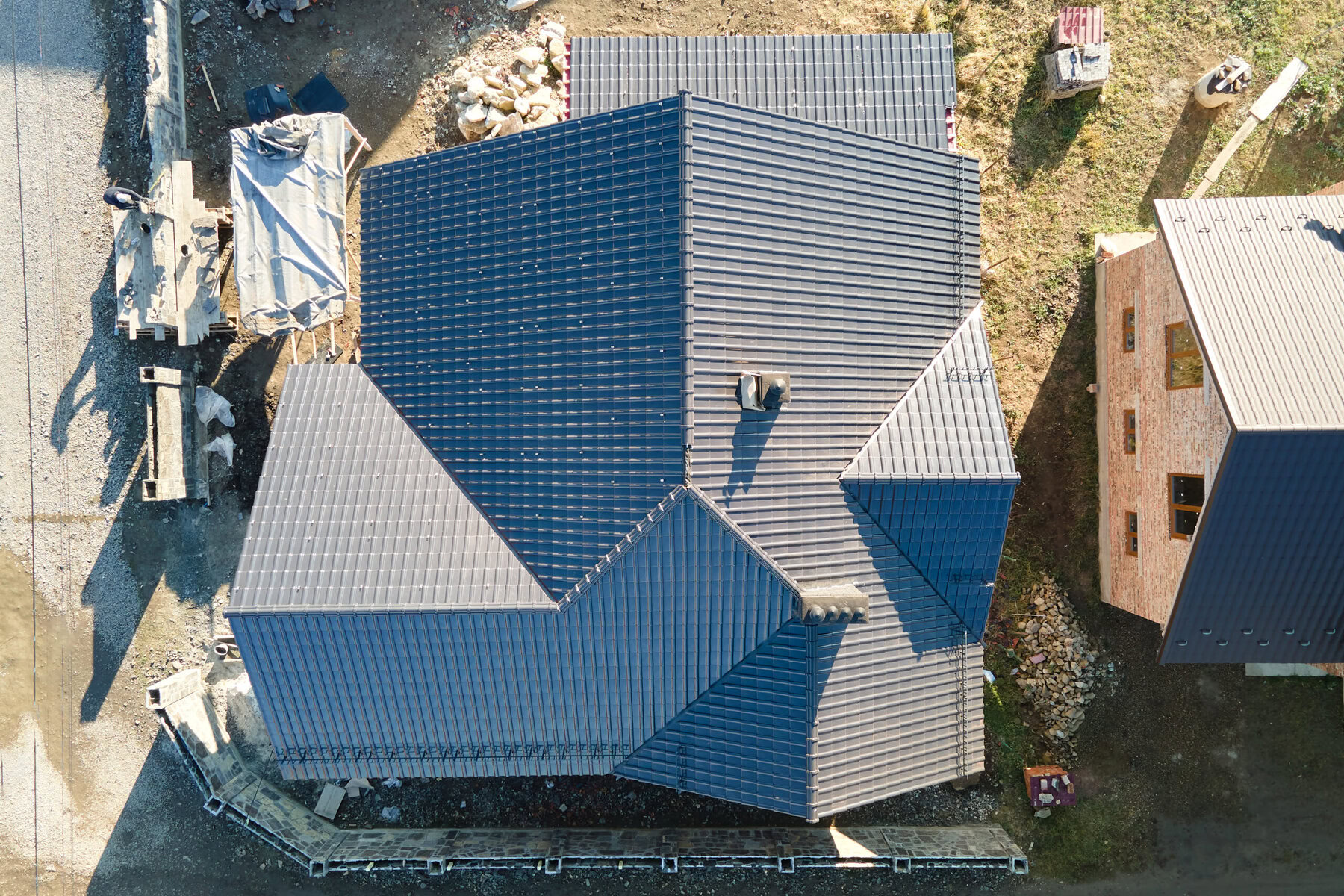
We can’t stress this enough: documentation is everything. The moment the storm passes, grab your phone and start taking photos. Get wide shots of the entire roof from the street, then close-ups of any obvious damage like missing shingles, dented flashing, or debris in the gutters. If you have a drone, use it. Aerial photos are incredibly persuasive with adjusters.
Next, walk your attic. Look for water stains, daylight peeking through the roof deck, or damp insulation. Mark the location of any leaks with tape or chalk so you can show the adjuster exactly where the water entered. Take photos of those stains too, with a ruler or a recognizable object for scale.
Don’t make permanent repairs before the adjuster sees the damage. You can tarp a leak to prevent further water intrusion, but document the tarp placement and keep receipts for any materials. If you replace shingles before the inspection, the adjuster may argue the damage wasn’t severe enough to warrant a claim.
Write a chronological log of the storm event. Note the date, approximate wind speeds if you know them, and any hail you observed. You can pull weather data from the National Weather Service to back up your timeline. This sounds tedious, but it’s exactly the kind of detail that turns a disputed claim into an approved one.
When to Call a Professional vs. Handling It Yourself
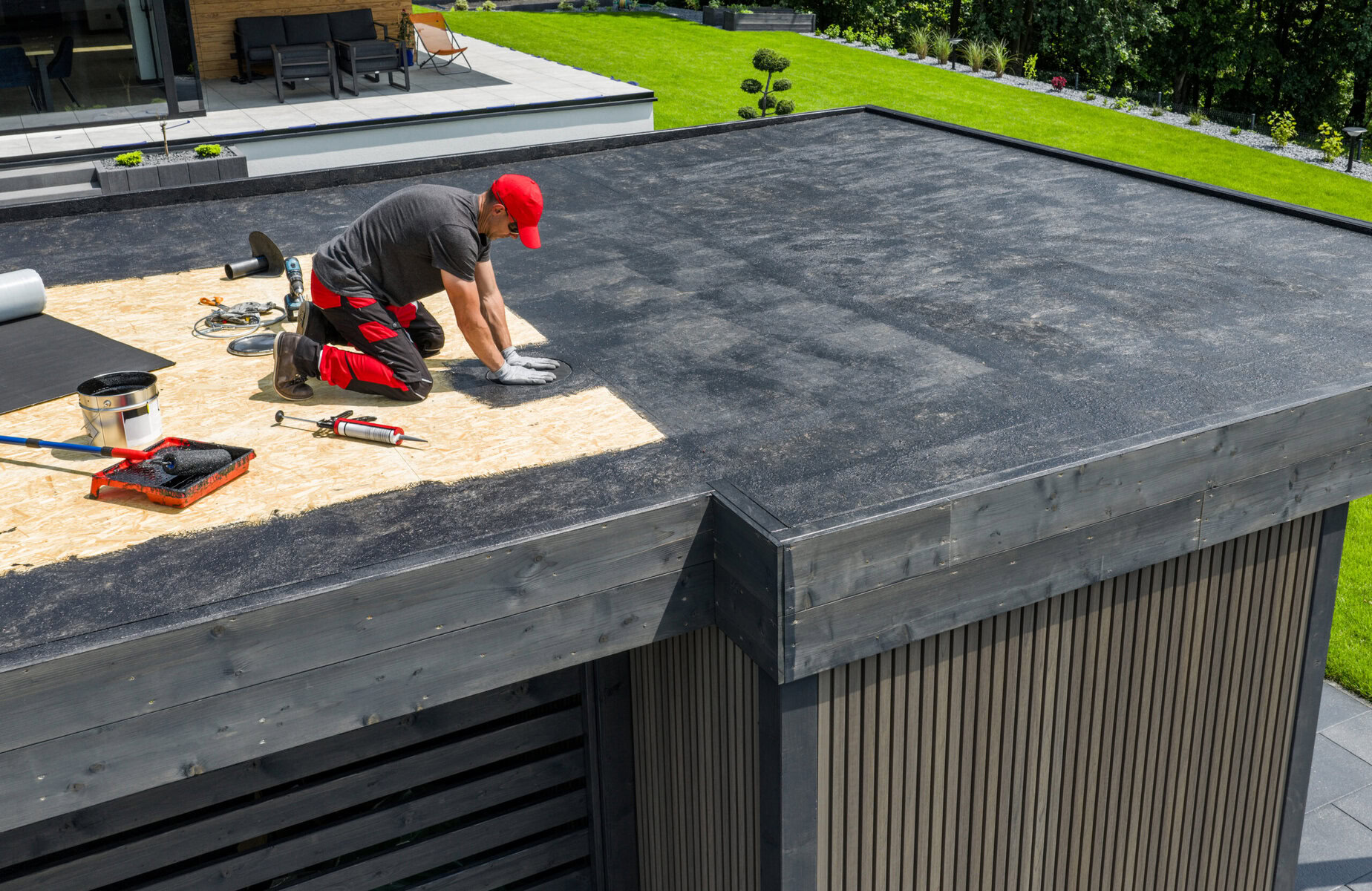
We get it. The DIY impulse is strong, especially when you’re trying to save money. But roof insurance claims are not a DIY-friendly process. The average homeowner doesn’t know how to identify hail damage on composition shingles versus blistering from poor ventilation. They don’t know how to read an adjuster’s estimate for missing line items like underlayment, drip edge, or permit fees.
That’s where a contractor who specializes in insurance restoration can help. We’ve worked with homeowners in Granada Hills and Chatsworth who tried to negotiate their own claims and ended up with checks that covered only half the actual repair cost. When we got involved, we were able to supplement the estimate with detailed scope of work and photos that the adjuster had overlooked.
A good contractor won’t charge you for the initial inspection and estimate. They’ll also handle the back-and-forth with the adjuster, which saves you hours of phone calls and frustration. If your claim is large enough, some contractors will even front the deductible and work out a payment plan. Just be careful with that arrangement; make sure everything is in writing.
That said, if your damage is minor, say a few missing shingles after a windstorm, and your deductible is high, it might make more sense to pay for the repair out of pocket. Filing a claim for $1,500 in damage when your deductible is $5,000 is pointless. It also risks your premiums going up. Insurance companies track claim frequency, and even a small claim can flag you as higher risk.
Common Mistakes That Derail Claims
We’ve compiled a short list of the most frequent errors we see homeowners make. Avoid these and you’re already ahead of the curve.
- Failing to read the adjuster’s estimate carefully. Adjusters sometimes omit items like code upgrades, which are required by California building codes when you replace a roof. If your roof deck is damaged, the code may require you to install new underlayment and ice and water shield. Those costs should be included.
- Signing a completion certificate before the work is done. Some contractors pressure you to sign so they can get paid. Once you sign, you lose leverage if the work is subpar.
- Not getting multiple estimates. Even if you’re working with a contractor, get a second opinion. We’ve seen estimates vary by 30% or more for the same scope of work.
- Assuming your insurance company is on your side. They’re not. They’re a business. Treat the claim like a negotiation, not a favor.
How to Negotiate With Your Adjuster
You don’t need to be aggressive or confrontational, but you do need to be prepared. Start by asking for a copy of the adjuster’s full estimate, not just the summary. Review every line item. If you see “repair” listed for a section of roof that clearly needs replacement, question it. If the estimate uses lower-cost materials than what you currently have, ask why.
We once had a case in Woodland Hills where the adjuster wrote an estimate for three-tab shingles on a home that had architectural shingles. The difference in material cost was about $2,000. The homeowner didn’t catch it, but we did. The adjuster amended the estimate after we pointed it out.
You can also request a reinspection if you believe the adjuster missed damage. This happens more often than you’d think. Adjusters are overworked, and they sometimes rush through inspections. If you have photos or evidence of damage they didn’t note, call your claims adjuster and ask for a second look.
If negotiations stall, consider hiring a public adjuster. They work for you, not the insurance company, and they typically take a percentage of the claim payout. In California, public adjusters are licensed and regulated by the state. They can be worth their fee if your claim is complex or large.
The Role of Local Building Codes and Climate
Living in the San Fernando Valley comes with specific challenges. Our climate is hot and dry for most of the year, but when storms hit, they can be intense. Sudden downpours overwhelm gutters and flashings, and high winds funnel through the canyons. Older homes in areas like Studio City and Tarzana often have roofs that weren’t designed for these conditions.
California building codes also require specific upgrades when you replace a roof. For example, you may need to install a Class A fire-rated underlayment, which is more expensive than standard felt. You may also need to add ventilation improvements or structural reinforcements. These code upgrades are typically covered by your insurance policy under the “code and ordinance” endorsement, but only if you ask for them.
If you live in a high-fire-risk zone, which includes parts of the Valley near the Santa Monica Mountains, your policy may have additional requirements. Some carriers require Class A fire-rated roofing materials, and if your current roof doesn’t meet that standard, you could face a non-renewal after a claim. It’s worth checking your policy before you file.
Cost Expectations and Real-World Numbers
Let’s talk money. A typical roof replacement in the San Fernando Valley runs between $8,000 and $20,000 for asphalt shingles, depending on the size of the home and the pitch of the roof. Tile and metal roofs are significantly more, often $25,000 to $50,000 or higher. Your insurance claim should cover the full replacement cost if you have RCV coverage and the damage is storm-related.
Here’s a rough breakdown of what a successful claim might look like:
| Item | Estimated Cost | Insurance Coverage |
|---|---|---|
| Roof tear-off and disposal | $1,500 – $3,000 | Covered |
| New underlayment (code upgrade) | $800 – $1,500 | Typically covered |
| Asphalt shingles (architectural) | $4,000 – $8,000 | Covered |
| Flashing and drip edge | $500 – $1,200 | Covered |
| Permit fees | $200 – $500 | Covered if code upgrade is needed |
| Labor | $3,000 – $6,000 | Covered |
| Total | $10,000 – $20,000 | Minus deductible |
These numbers are averages. Your actual costs will vary based on roof complexity, material availability, and contractor pricing. The important thing is that every line item should be accounted for in your adjuster’s estimate. If something is missing, ask why.
When It Makes Sense to Walk Away
Not every claim is worth pursuing. If your damage is minor and your deductible is high, you’re better off paying out of pocket. Filing a claim also risks a premium increase. In California, insurers have been raising rates aggressively, and a single claim can trigger a 10% to 20% hike for three to five years.
There’s also the issue of claim denials. If your roof is old and the damage is borderline, the adjuster may deny the claim based on “pre-existing wear and tear.” Fighting a denial takes time, money, and sometimes legal help. We’ve seen homeowners spend months appealing a denial only to end up with nothing. In those cases, it’s often smarter to invest that energy into saving for a new roof.
Finally, if you have a history of claims, think twice before filing. Insurance companies track your CLUE report (Comprehensive Loss Underwriting Exchange). Two or more claims in a few years can make you uninsurable with some carriers. We’ve worked with homeowners in the Valley who couldn’t find coverage after multiple claims, even for unrelated issues like water damage.
Final Thoughts on Navigating the Claim Process
Filing a roof insurance claim is not something anyone looks forward to. It’s paperwork, phone calls, and waiting. But if you approach it methodically, document everything, and don’t accept the first offer as final, you can come out ahead. We’ve seen it happen time and again.
If you’re in the San Fernando Valley and unsure whether your roof damage is worth a claim, it doesn’t hurt to have someone look at it. California Green Roofing in Los Angeles, CA offers free inspections and can walk you through what to expect. Sometimes a second set of eyes catches what you missed, and that can make all the difference between a check that covers the job and one that leaves you scrambling.
At the end of the day, your roof is the only thing standing between your home and the elements. A successful claim isn’t just about money. It’s about getting your home back to where it should be, secure and dry, without cutting corners. Take the time to do it right, and you’ll sleep better the next time the wind picks up.