There’s a moment that happens in almost every consultation. A homeowner is standing in their driveway, looking up at a roof that’s clearly past its prime. Maybe there’s a patch of discoloration, maybe a few missing tiles, maybe just that nagging feeling that the next big storm could be the one. And then they ask the question that stops me every time: “Should I replace it with the same Spanish tile, or just go with metal?”
It sounds simple, but it’s not. There’s a lot riding on that choice. Not just the look of the house, but the long-term cost, the maintenance burden, how the roof handles the specific weather patterns in Los Angeles, and even how it affects the resale value. We’ve seen people make the wrong call and regret it within a year, and we’ve seen people make the right call and forget they even own a roof for twenty years.
This isn’t a one-size-fits-all answer. But we can walk through the real trade-offs, the stuff that actually matters when you’re the one writing the check.
Table of Contents
Key Takeaways
- Spanish tile roofs are heavy, durable, and expensive to repair, but they offer unmatched aesthetics for certain architectural styles.
- Metal roofing is lighter, more energy-efficient, and generally more forgiving in terms of maintenance, but it can dent and has a different visual profile.
- The decision often comes down to the structural capacity of your home, your local climate, and how long you plan to stay in the house.
- Professional installation is critical for both options, but the margin for error is much smaller with tile.
The Weight of Tradition: What Spanish Tile Actually Demands
Let’s get one thing straight: Spanish tile is not a DIY material. It’s not even a casual contractor material. A genuine clay or concrete Spanish tile roof is heavy. We’re talking about 800 to 1,200 pounds per square (100 square feet). That’s a lot of load on your roof deck and, by extension, your home’s entire structure.
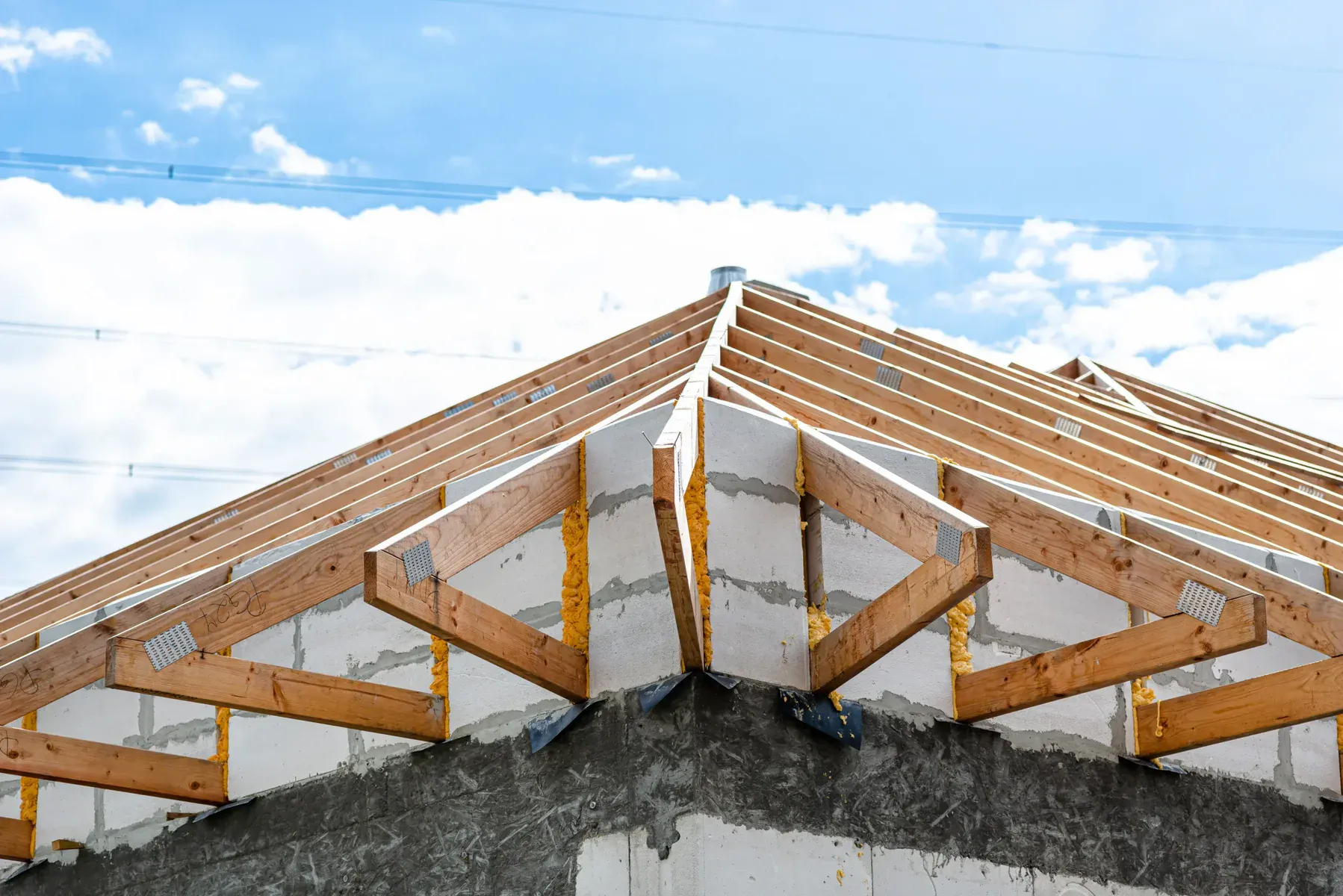
We’ve walked into homes in older Los Angeles neighborhoods—like the historic districts in Highland Park or the Craftsman bungalows near Echo Park—where the original roof was designed for lightweight asphalt shingles. The homeowner wants that classic Mediterranean look, but their house wasn’t built for it. That’s not just an inconvenience; it’s a structural risk. You can’t just slap tile on a roof that was designed for asphalt. You’d need to reinforce the trusses, sometimes the walls, and that’s a conversation that gets expensive fast.
The upside? When installed correctly, Spanish tile is incredibly durable. It handles sun exposure better than almost any other material. It doesn’t burn. It doesn’t rot. It can last 50 to 100 years if the underlayment is maintained. But here’s the catch that nobody talks about: the underlayment is the weak point. The tiles themselves are tough, but the waterproofing layer beneath them degrades over time. We’ve seen 30-year-old tile roofs that look perfect from above but are leaking like a sieve because the felt paper underneath has turned to dust.
Another reality of Spanish tile: it’s brittle. Walk on it wrong, and you’re cracking tiles. A single broken tile isn’t a disaster, but finding a matching replacement for a 40-year-old roof can be a nightmare. Manufacturers change colors, clay sources shift, and suddenly you’re looking at a patch that sticks out like a sore thumb. That’s not a hypothetical. We’ve had customers wait months for custom-fired tiles to match their existing roof.
Metal Roofing: The Modern Contender with Its Own Baggage
Metal roofing has come a long way from the corrugated barn roofs of the past. Today, you can get standing seam panels in a wide range of colors and profiles, some of which mimic the look of tile or slate. But let’s be honest: it doesn’t look exactly like Spanish tile. If you’re a purist about the architectural heritage of your home, metal might feel like a compromise.
That said, metal has some serious practical advantages. It’s light—around 50 to 150 pounds per square. That means you can install it over an existing asphalt roof in many cases, saving the cost and mess of a tear-off. It’s also highly reflective, which is a big deal in Southern California. A cool metal roof can reduce your attic temperature by as much as 50 degrees on a hot day, which translates directly to lower air conditioning bills. The U.S. Department of Energy has data on cool roofs that shows significant energy savings in hot climates.
But metal has its own weak points. It dents. Hail, falling branches, or even a heavy foot in the wrong spot can leave a permanent mark. Some coatings fade over time, and if the panel is scratched down to the bare metal, you’re looking at rust. Also, metal expands and contracts with temperature changes. That’s normal, but if the installation isn’t done with proper slip clips and expansion gaps, you’ll get oil-canning (wavy panels) or popped fasteners.
One thing we’ve noticed over the years: noise. Rain on a metal roof can be loud, but that’s usually a sign of poor insulation. With proper decking and attic insulation, the sound difference is minimal. But if you’ve ever stood inside a house with a bare metal roof during a downpour, you know exactly what I’m talking about.
Comparing the Two Side by Side
To make this decision easier, here’s a practical breakdown based on what we see in the field every day. This isn’t theoretical. This is what we tell homeowners when they’re sitting at our kitchen table with a stack of estimates.
| Factor | Spanish Tile | Metal Roofing |
|---|---|---|
| Weight | 800-1,200 lbs per square | 50-150 lbs per square |
| Lifespan | 50-100 years (tiles); underlayment needs replacement every 20-30 years | 40-70 years (depending on coating and gauge) |
| Fire Resistance | Class A (non-combustible) | Class A (non-combustible) |
| Energy Efficiency | Moderate; tiles absorb heat but vent well | High; reflective coatings reduce heat gain |
| Maintenance | High; broken tiles need matching, underlayment requires periodic replacement | Low; occasional fastener checks, coating touch-ups |
| Repair Cost | High; labor-intensive, tile matching can be expensive | Moderate; panel replacement is straightforward but material cost varies |
| Aesthetic Versatility | Best for Mediterranean, Spanish, and Mission styles | Wide range; can mimic slate, shake, or tile, but not perfectly |
| Installation Complexity | High; requires structural assessment and skilled labor | Moderate; requires careful expansion planning |
| Noise | Low (with proper insulation) | Moderate to low (with proper insulation) |
| Resale Value | High in historic or architecturally controlled neighborhoods | High in general, especially with energy efficiency appeal |
The honest truth? Neither is wrong. But one is almost always more appropriate for a given situation.
When Spanish Tile Makes Sense (and When It Doesn’t)
Spanish tile is a no-brainer if you live in a neighborhood with strict architectural guidelines, like parts of Santa Monica or the historic districts in Pasadena. The homeowners associations and historical preservation boards often require tile, and fighting that battle is usually not worth it. In those cases, you go with tile and you budget for the maintenance.
But if you’re in a standard suburban home or a mid-century modern that someone slapped tile on thirty years ago, you might be paying for a look that doesn’t even fit the house. We’ve seen that a lot. People think tile equals “premium,” but if your house is a ranch-style from the 1960s, tile can look heavy and out of place.
One mistake we see often is homeowners choosing tile because they think it’s “set it and forget it.” It’s not. The tiles themselves last, but the system fails. The underlayment, the flashings, the mortar—those are the parts that need attention. We’ve had customers who didn’t realize their underlayment was compromised until water was running down their interior walls. That’s a costly lesson.
When Metal Roofing Is the Smarter Choice
Metal roofing shines in practical scenarios. If you’re planning to stay in your home for 10 to 20 years, metal is often the better financial move. The energy savings alone can offset the upfront cost over time. Plus, metal roofs are easier to install solar panels on, which is becoming a bigger consideration as more homeowners in Los Angeles look to reduce their carbon footprint and their electric bills.
We’ve also seen metal become the go-to for homeowners who are tired of maintenance. If you’re someone who doesn’t want to think about your roof for two decades, metal is the closest you’ll get to that experience. You still need to check the flashings and clear debris, but it’s nowhere near the vigilance required for tile.
However, metal isn’t ideal for every situation. If your roof has a lot of complex angles, valleys, and dormers, metal can look like a patchwork of seams. A skilled metal roofer can handle that, but it drives up the cost. And if you’re in a high-fire zone, metal is excellent, but tile is equally good. The fire rating isn’t the differentiator here.
The Hidden Cost of Getting It Wrong
We’ve seen both materials fail—not because the material was bad, but because the installation was poor. With tile, the most common failure is improper flashing at the valleys and penetrations. Water finds the path of least resistance, and if the flashings aren’t integrated correctly, you’ll get leaks that are hard to trace. With metal, the most common mistake is not accounting for thermal expansion. We’ve seen panels buckle because the installer didn’t leave enough room for movement.
That’s why we always tell people: don’t hire the lowest bidder for a tile or metal roof. The material cost is significant, but the labor is where the quality lives. A bad tile roof will leak within five years. A bad metal roof will look wavy and start leaking at the fasteners. Both are expensive to fix.
What About the In-Between Options?
There are hybrid solutions, like metal panels that are stamped to look like tile. They’re lighter than clay, easier to install, and they give you the energy efficiency of metal. But they’re also more expensive than standard metal, and they don’t fool anyone up close. If you’re looking at a house from the street, they can pass. But if you’re standing under the eave, you’ll see the seams.
Another option is synthetic tile made from polymer or rubber. It looks like Spanish tile, weighs about the same as metal, and is more impact-resistant than clay. But it’s a newer product, and the long-term track record isn’t as established. We’ve installed a few, and the feedback has been positive, but we’re cautious about recommending them for historic properties.
Making the Call Based on Your House, Not Your Heart
The best advice we can give is to start with a structural assessment. Before you fall in love with the look of tile or the efficiency of metal, know what your house can handle. If your framing is old or undersized, tile might not be an option without significant reinforcement. That’s a deal-breaker for a lot of people.
Then, think about your timeline. If you’re planning to sell in five years, metal might not recoup its cost unless the buyer values energy efficiency. If you’re in your forever home, tile can be a legacy investment if you’re willing to maintain it.
And finally, talk to a roofer who has actually worked with both materials in your area. Not a salesperson who reads from a brochure, but someone who has been on roofs in Los Angeles for twenty years. They’ll tell you which neighborhoods have the best tile installers, which metal coatings hold up best in the coastal salt air, and which contractors to avoid.
We’ve been doing this work in Los Angeles for a long time, and we’ve seen the full spectrum of outcomes. The best ones are where the homeowner took the time to understand the trade-offs and made a decision based on reality, not marketing. The worst ones are where someone chose a material because their neighbor had it, and then spent years fighting leaks and regrets.
If you’re in the Los Angeles area and you’re weighing these options, reach out to California Green Roofing. We’ve seen it all, and we’ll give you the straight talk about what makes sense for your house.
Related Articles
Top Roofing Materials Used Across California Homes
Best Roof For Fire Protection In California Wildfire Zones
Spanish Tile To Modern Metal: Choosing A Roof For Your LA Home’s Style
Class A Fire Rated Roofing Materials For Safety
5 Roofing Materials That Beat The Valley Heat (And 2 To Avoid)
People Also Ask
For homeowners in the Los Angeles and San Fernando Valley area, the cost of a metal Spanish tile roof typically ranges from $12 to $20 per square foot installed. This price is higher than standard asphalt shingles but reflects the material's durability and fire resistance. The final expense depends on factors like roof complexity, underlayment quality, and the specific metal gauge. For those concerned about wildfire safety, this roofing style offers excellent protection. For more details on fire safety, we recommend reading our article Best Roof For Fire Protection In California Wildfire Zones. California Green Roofing always advises getting multiple quotes to ensure competitive pricing for your specific property.
For homeowners in the Los Angeles and San Fernando Valley area, a Spanish clay tile roof is a classic and durable choice that offers excellent longevity and a distinctive Mediterranean aesthetic. These tiles are naturally fire-resistant, which is a critical safety feature for our region. For detailed guidance on meeting the highest safety standards, you should review Class A Fire Rated Roofing Materials For Safety. Proper installation is key to preventing leaks and ensuring the roof can withstand local weather conditions. California Green Roofing recommends using a qualified contractor who understands the specific underlayment and flashing requirements for heavy clay tiles. While the initial investment is higher, the lifespan of a well-maintained Spanish clay tile roof can exceed 50 years, making it a sound long-term value.