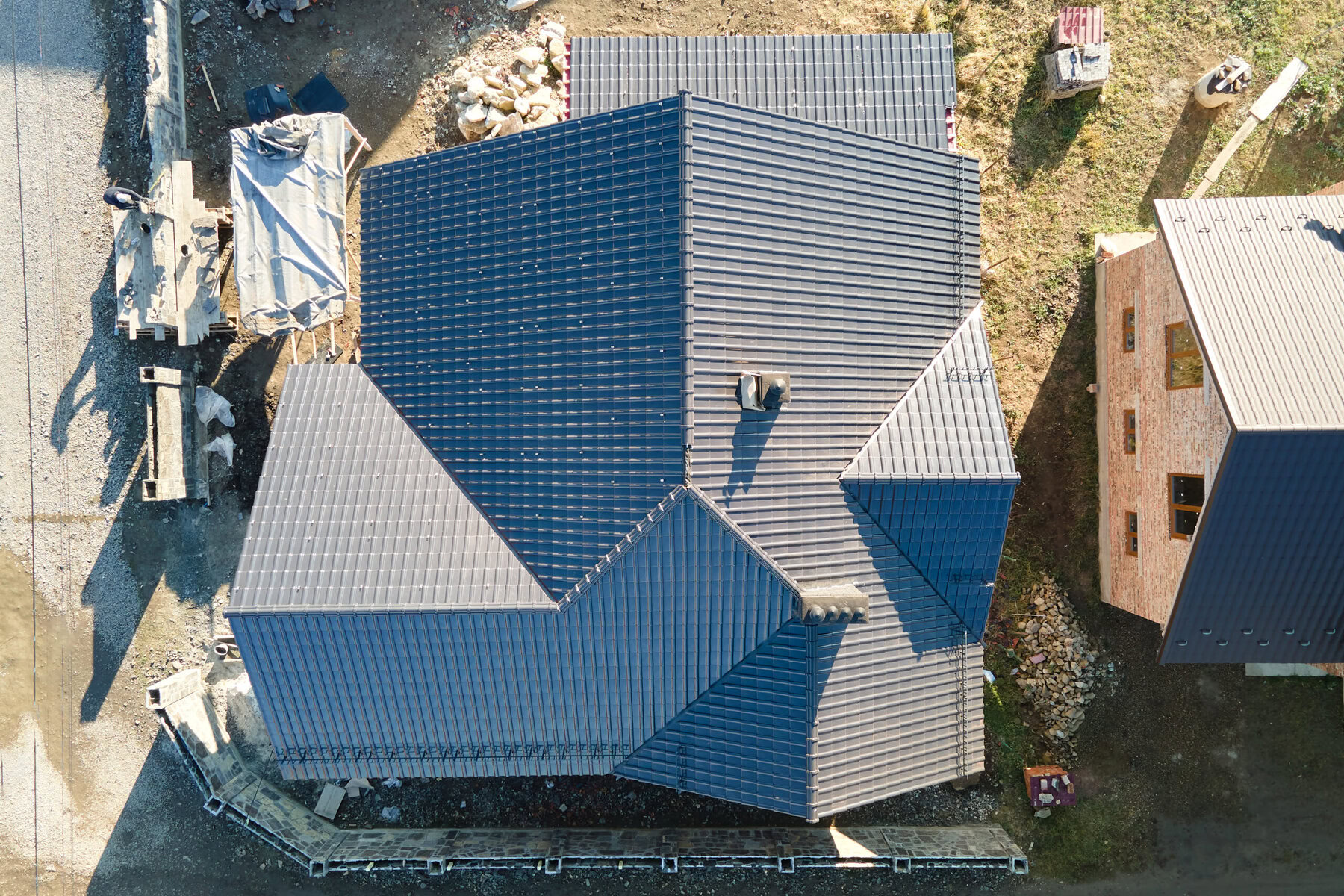
Let’s be honest, our roofs don’t get a lot of love until something goes wrong. We notice a leak, spot a missing shingle, or see our neighbor getting a gorgeous new roof and think, “Hmm, maybe we should look into that.” But here’s the thing: your roof is the MVP of your home or business. It works 24/7, taking a beating from the Los Angeles sun, the occasional downpour, and everything in between. So, why do we only pay attention when it starts sending us distress signals?
We’ve seen it all in our years in the industry. From emergency calls after a big storm to planned upgrades that boost property value, the story is usually the same—folks wish they’d thought about roofing maintenance sooner. IMO, a little proactive care saves a ton of headache (and cash) down the line. So, grab a coffee, and let’s chat about what really goes on over our heads.
Table of Contents
Getting to Know Your Roof’s Secret Language
Your roof is constantly talking to you. No, it won’t send a text (though how cool would that be?), but it gives plenty of signs. The trick is knowing what to look for before a small issue throws a party and invites all its leaky friends inside.
Common cries for help include:
- Dark streaks or moss growth (that’s moisture hanging around).
- Curling, cracking, or missing shingles or tiles.
- Granules from asphalt shingles collecting in your gutters—basically, your roof is shedding its sunscreen.
- Any sign of water stains on your ceilings or in your attic.
Spotting these early is the difference between a simple roof repair and a major, wallet-draining project. Ever wondered why that one small leak seems to cost more to fix each time? It’s usually because the underlying problem has been festering, like a bad plot twist in a soap opera.
The Repair vs. Replacement Dilemma: It’s Not Always Obvious
This is the million-dollar question, right? “Do I just need a quick fix, or is it time to start over?” As a roof repair specialist, we can tell you the answer isn’t always straightforward.
When a Repair Might Do the Trick:
- The damage is localized (think a few bad tiles after a windstorm).
- Your roof is relatively young, say, under 15 years for asphalt.
- The leak is isolated and you caught it quickly.
- You’re preparing to sell and need a cost-effective refresh.
When You Should Seriously Consider Replacement:
- Your roof is nearing or has surpassed its typical lifespan (20-25 years for asphalt, much longer for tile or metal).
- You’re seeing widespread issues across multiple areas.
- You’ve already patched the same spot more than once.
- Your energy bills are creeping up because your roof’s insulation and ventilation are shot.
The most powerful tool in this decision isn’t a hammer—it’s a professional roof inspection. A trusted roofing company can give you the honest, clear picture you need. For instance, at our firm, California Green Roofing in Los Angeles, we’ve talked many clients out of a full replacement when a repair was sufficient, and we’ve had to give the tough-love news when a new roof was the only smart financial move. It’s about giving you the right solution, not just the biggest sale.
A Quick Guide to Common Roofing Services
The world of roofing has its own lingo. Let’s break down what these common services actually mean for you.
For the Home: Residential Roof Repair
This is all about protecting your castle. Whether it’s tile roof repair for your Spanish-style home or fixing shingles on your craftsman, the focus is on aesthetics, safety, and preserving your home’s value. The cost here can vary wildly based on materials and scope, which is why getting a detailed assessment is key.
For the Business: Commercial Roof Maintenance & Repairs
This is a whole different ballgame. A commercial roof repair isn’t just about leaks; it’s about business continuity, employee safety, and protecting inventory. Commercial roof maintenance is a proactive, scheduled program—think of it as a health plan for your building’s largest asset. It’s almost always more affordable than the major commercial roof repairs that come from neglect.
The Power of Coatings: Roof Coating Services
This is one of the most underrated services! A reflective roof coating can be a game-changer, especially in our climate. It can extend your roof’s life, improve energy efficiency by reflecting solar heat, and seal minor imperfections. It’s not a fix for a failing roof, but for a sound one, it’s a brilliant upgrade.
Why the “Nearest” Roofer Isn’t Always Your Best Bet
We get it. When you have water dripping into your living room, you want to Google “roofing repair near me” and call the first result. We’ve all been there! But the nearest option isn’t always the best one. The roofing industry, let’s be frank, has its share of fly-by-night operators.
You want a roof installation contractor or roof service provider with:
- Proven local experience (they know Los Angeles weather patterns inside and out).
- Proper licensing and insurance (this is non-negotiable).
- Strong, verifiable references and reviews.
- Clear, detailed warranties on both materials and labor.
Choosing based solely on the lowest price can be the most expensive decision you make. A shoddy repair will fail, leading to more damage and a higher total cost. We’ve spent more time than we’d like fixing other contractors’ “affordable” quick fixes. It’s frustrating for everyone involved.
Planning for the Inevitable: A Roofing Budget Reality Check
Let’s talk numbers without the scary music. A new roof or major repair is an investment. Being prepared takes the panic out of the process.
| Service Type | Typical Scope | Key Cost Factors | Why It’s Worth It |
|---|---|---|---|
| Minor Repair | Fixing leaks, replacing a few shingles/tiles, sealing flashings. | Material type, extent of water damage, roof accessibility. | Stops immediate damage, preserves roof integrity, and is highly cost-effective if done early. |
| Major Repair | Replacing large sections, fixing structural decking, addressing widespread wear. | Size of area, underlying damage, need for permit. | Prevents total system failure, can extend roof life by years, and protects interior from major water invasion. |
| Full Replacement | Complete tear-off and installation of new roofing system. | Material choice (asphalt, tile, metal, etc.), roof complexity, disposal fees. | Long-term peace of mind, maximum energy efficiency, significant curb appeal and property value boost. |
| Preventative Maintenance | Biannual inspections, gutter cleaning, minor preventative fixes. | Size of roof, contract terms (annual plan vs. per-service). | The most affordable path long-term. Catches problems early, maximizes roof lifespan, and budgets small expenses. |
FYI, financing options are often available for larger projects. A good roofing company will discuss all the options with you upfront, with no pressure. At California Green Roofing, we believe a transparent conversation about price and value is the foundation of trust.
Your Roof’s Wellness Plan: The Magic of Regular Check-ups
We save the biggest tip for last: stop thinking reactively. The single best thing you can do for your roof (and your bank account) is to institute a regular inspection schedule.
Twice a year—say, in spring and fall—have a quick look yourself from the ground with binoculars. Then, every 2-3 years, hire a professional for a thorough roof inspection. They’ll spot the things you can’t, like deteriorating sealant or subtle membrane issues on a flat commercial roof.
This proactive approach turns unpredictable, major expenses into planned, manageable ones. It’s the difference between a “roofing emergency” and a “scheduled roof service.”
Wrapping It All Up
So, what’s the takeaway? Your roof is a long-term investment that deserves a little strategic thought. Listen to it, care for it proactively, and choose your roof repair specialist with the same care you’d choose any major home service.
Don’t wait for the drip-drip-drip to become a flood. Whether you’re in need of a residential roof repair, a commercial roof maintenance plan, or just want a professional opinion, taking that first step is what counts. If you’re in the Los Angeles area and want a straightforward, honest assessment, our team at California Green Roofing is always here to help. We’ll give you the clarity you need to make the best decision for your property. After all, a solid roof over your head is what lets you sleep soundly, rain or shine 🙂
3 Common Roofing Questions, Answered
1. How often should I really get my roof inspected?
For most homes, a professional inspection every 2-3 years is perfect. For commercial properties or after a major weather event (like those rare but heavy LA storms), an annual check is smarter. Do a visual ground-level check yourself every six months.
2. Can I just install a new roof over my old one?
Sometimes, but we rarely recommend it. While it’s faster and cheaper upfront, it prevents a full inspection of the roof deck (the structural layer underneath). You risk trapping moisture and missing rot, which can lead to bigger problems. A complete tear-off, while more involved, is almost always the better long-term investment.
3. How long will my new roof last?
It depends heavily on the material! Here’s a quick cheat sheet:
- Asphalt Shingles: 20-30 years
- Concrete or Clay Tile: 40-50+ years
- Metal Roofing: 40-70 years
Proper installation by a qualified contractor and regular maintenance are the biggest factors in hitting—or exceeding—these lifespans.