Let’s be honest, we’ve all stared at our roofs at some point and wondered, “What exactly is going on up there?” Is it quietly protecting us, or is it secretly plotting a leak right over the living room sofa? We get it. Your roof is this massive, often forgotten component of your home or business, and when it demands attention, the whole process can feel overwhelming. Where do you even start? Who do you call? And what’s this going to cost?
Well, take a deep breath. We’re going to walk through this together, from spotting the warning signs to choosing the right roof repair specialist, and yes, we’ll even talk about price. IMO, a little knowledge turns a scary situation into a manageable project. And as a roofing company right here in Los Angeles, we at California Green Roofing have seen it all—from minor tile roof repair to major commercial roof repairs. So, grab a coffee, and let’s demystify your overhead.
The Tell-Tale Signs Your Roof is Whispering (or Yelling) for Help
You don’t need to be a roof repair specialist to spot trouble. Most roofs send pretty clear signals. Ignoring them is like ignoring a check engine light—it only gets more expensive.
The Obvious Red Flags You Can’t Miss
First, let’s talk about the shouts from above.
- Water Stains on Ceilings or Walls: This is the classic. Those brownish-yellow rings are a direct message. The cost of ignoring this? Far more than a simple residential roof repair—think damaged insulation, mold, or ruined drywall.
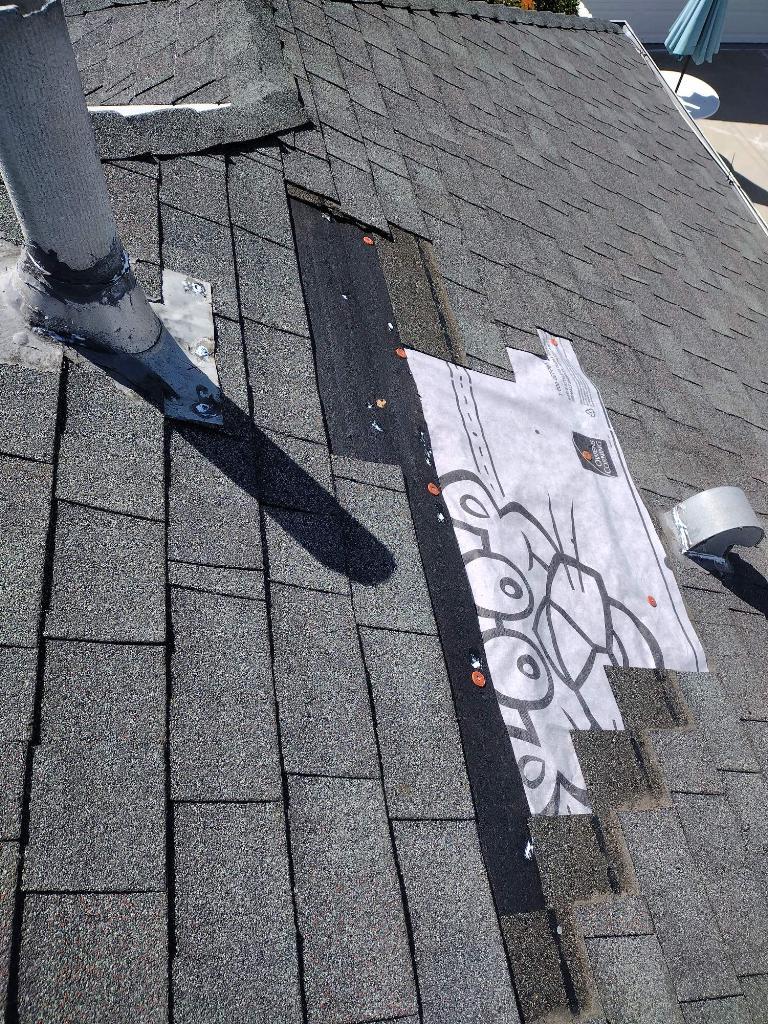
- Missing, Cracked, or Curling Shingles/Tiles: For asphalt roofs, look for shingles that are buckling. For tile, listen for that tell-tale crunch underfoot (but please, step carefully!). Each missing piece is an open door for water.
- Granules in the Gutters: Asphalt shingles shed their gritty granules as they age. A few are normal, but if your gutters look like they’re filled with black sand, your roof’s sunscreen is wearing off.
The Sneaky, Subtle Clues
Now, for the whispers. These are easy to miss but just as important.
- Skyrocketing Energy Bills: Feeling a draft or noticing your AC is running constantly? Your roof’s insulation and ventilation might be compromised. Proper roofing maintenance is about comfort and affordable energy use.
- Sagging Roof Lines: This one’s serious. If your roof line looks like it’s dipping or sagging, it could indicate structural issues. Don’t just call a roofing repair service; you need a full roof inspection, stat.
- Light in the Attic: If you see daylight peeking through your roof boards from the attic, well, that’s not a feature. It’s a problem.
The Repair vs. Replacement Dilemma: Making the Smart Call
So you’ve found an issue. The million-dollar question (hopefully not literally) is: can we fix this, or is it time for a whole new roof? This is where a professional roof inspection from a trusted company like California Green Roofing becomes priceless.
When a Repair is the Right Move
A good roof service company won’t sell you a new roof if you don’t need one. Repair is often perfectly sufficient for:
- Localized damage from a single storm or fallen branch.
- Isolated leaks around chimneys, vents, or skylights (common leak spots!).
- A small section of missing or damaged shingles or tiles.
- General wear and tear that’s caught early through routine commercial roof maintenance or residential check-ups.
When Replacement Becomes the Only Answer
Sometimes, being affordable means investing now to save a fortune later. Replacement is the wiser path when you see:
- Widespread damage across multiple roof sections.
- Your roof has simply reached (or exceeded) its expected lifespan. FYI, asphalt shingles often last 20-25 years, while tile can go 50+.
- Multiple leaks are appearing. It’s not the leaks; it’s the roof.
- You’re doing frequent repairs. At a certain point, you’re just throwing money at a lost cause.
Let’s break down the typical lifespans and repair triggers for common materials. This table should give you a solid baseline.
Roofing Material Lifespan & Common Issues
| Material Type | Typical Lifespan | Common Repair Needs | When to Consider Replacement |
|---|---|---|---|
| Asphalt Shingles | 20-30 Years | Missing/curling shingles, granule loss, wind damage. | After 20+ years with widespread issues; multiple leaks. |
| Concrete/Clay Tile | 50+ Years | Cracked or broken tiles, mortar failure on ridges. | Rarely full replacement needed unless underlayment fails. Tile roof repair is often the solution. |
| Metal Roofing | 40-70 Years | Loose fasteners, seam separation, cosmetic rust. | Panel corrosion or failure; often repairable for decades. |
| Built-Up/Flat Roof | 15-25 Years | Punctures, pooling water, blistering, membrane shrinkage. | Chronic leaks; consider roof coating services to extend life before full replacement. |
Navigating the Process: From Estimate to Completion
Alright, you’ve decided to take action. What does the journey look like? It doesn’t have to be stressful if you know the steps.
Step 1: The All-Important Inspection & Estimate
This is your fact-finding mission. A reputable roof installation contractor or repair company will offer a thorough inspection. They should:
- Get on the roof (safely!) and in the attic.
- Identify the full scope of the problem—not just the symptom.
- Provide a detailed, written estimate that breaks down cost for materials, labor, and timeline.
- Discuss options without high-pressure sales tactics. We at California Green Roofing believe in clear, honest communication. It’s your roof and your money.
Step 2: Understanding the Quote & Asking the Right Questions
Your estimate isn’t just a number. It’s a blueprint. Don’t be shy—ask questions!
- What exactly does this price include? (Permits, cleanup, old material disposal?)
- What type of materials will you use, and what are the warranties?
- Are you licensed, insured, and bonded for work here in Los Angeles? (This is non-negotiable).
- Will you handle any necessary repairs to the underlying decking?
- How will you protect my property during the work?
Step 3: The Work Begins (And What to Expect)
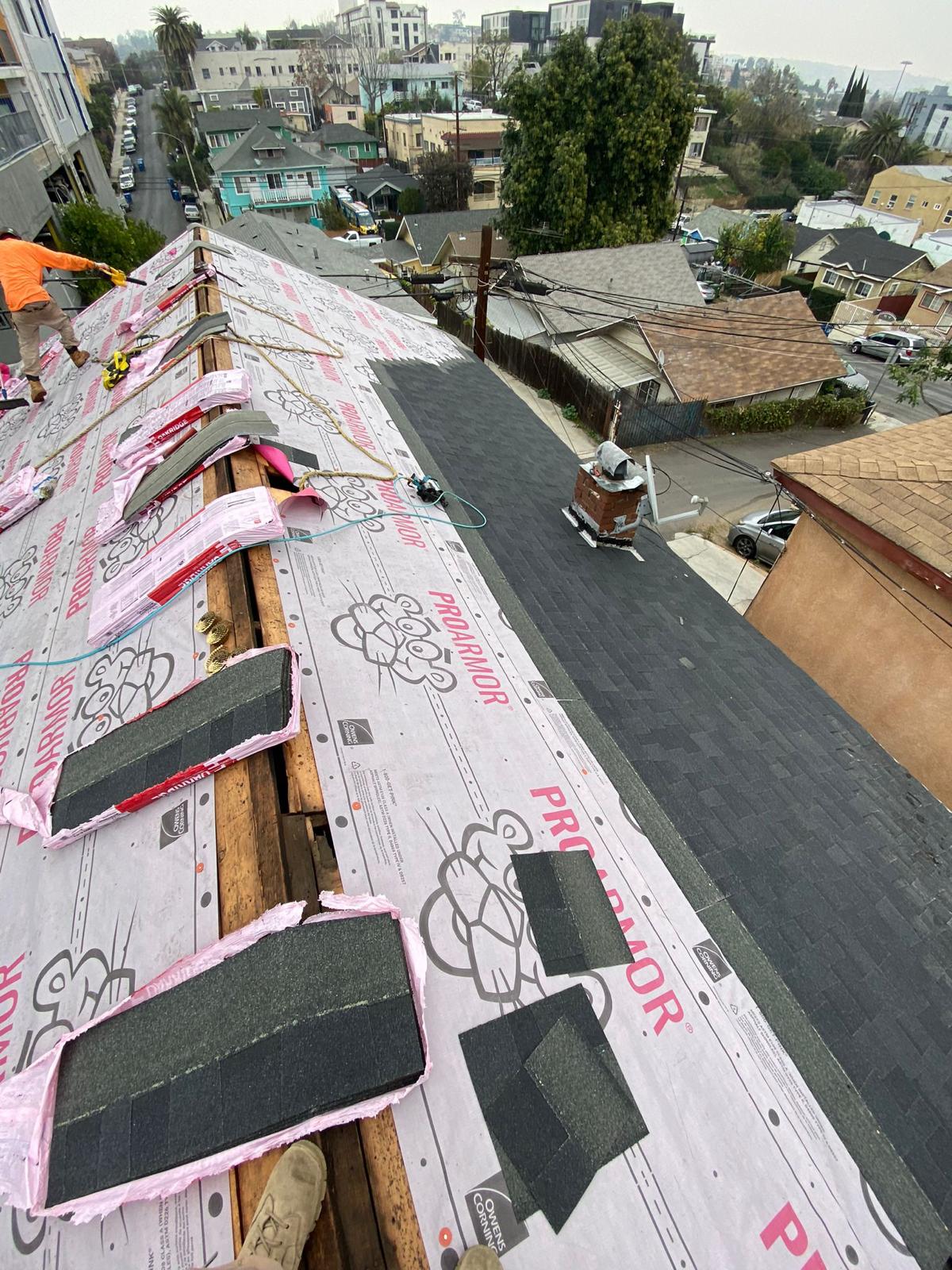
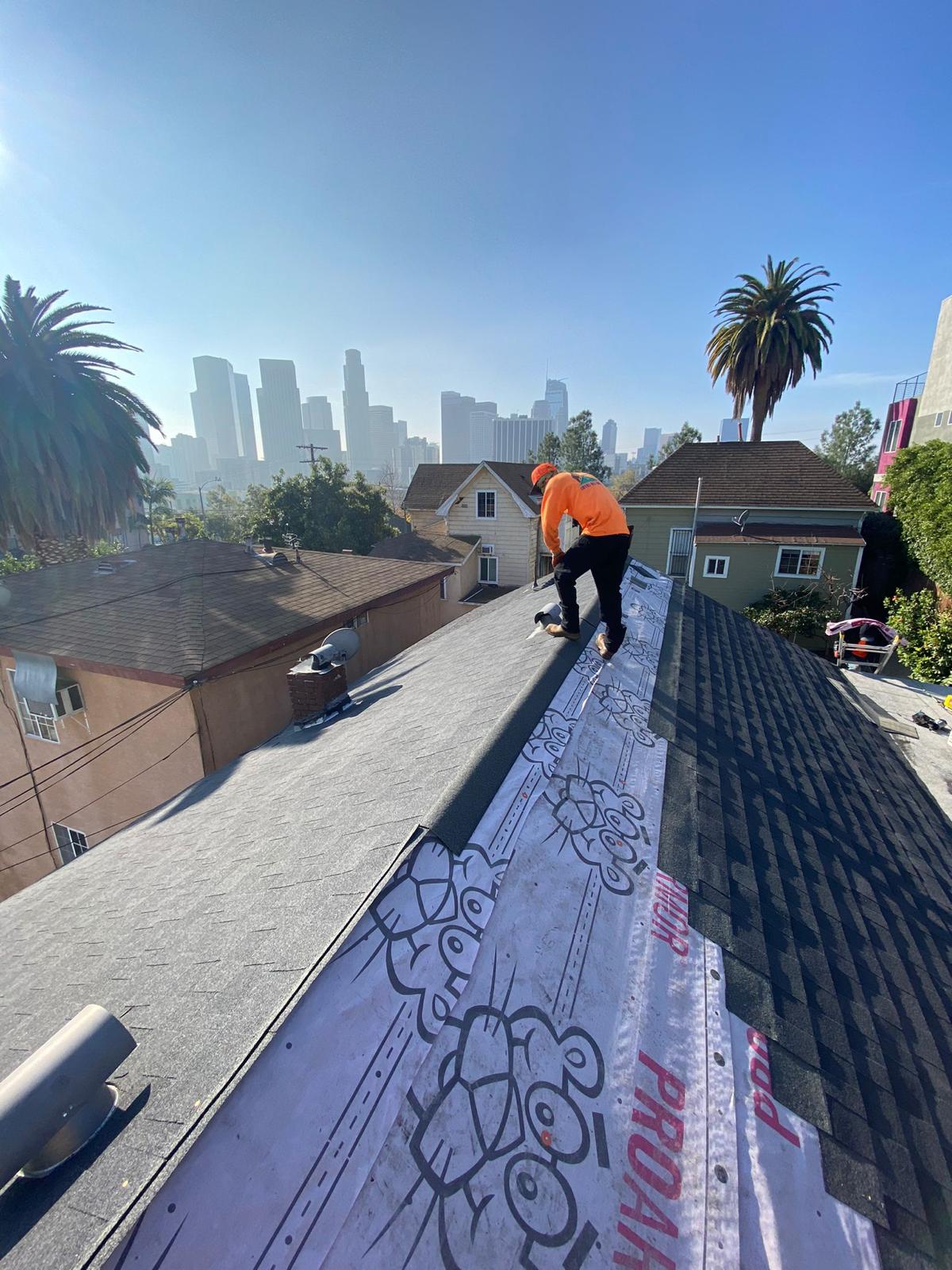
A good crew makes the process surprisingly smooth. For a standard residential roof repair, expect some noise and activity, but a professional team will:
- Protect your landscaping and property with tarps.
- Use a dedicated dump trailer or container for old materials.
- Keep you updated on progress. No one likes radio silence.
- Conduct a final walkthrough with you to ensure your complete satisfaction.
Why Professional Maintenance is Your Secret Weapon
Here’s a little secret from our years in the business: the most affordable roof service is the one you get before you have an emergency. Roofing maintenance is like changing the oil in your car—it prevents catastrophic failure.
For our commercial roof repairs clients, we can’t stress this enough. A scheduled commercial roof maintenance program identifies small issues—a loose seam, a tiny puncture—and fixes them for a fraction of the cost of a major leak that interrupts business. For homes, a bi-annual check (especially after our windy seasons) is a genius move. Think of it as buying peace of mind.
Your Top Roofing Questions, Answered
Let’s tackle some of the most common questions we hear every day.
1. How do I find a reliable roofing contractor near me?
Look for local, established companies with strong reviews and a physical address. Ask for references and proof of insurance. A company like California Green Roofing, rooted in the community, has a reputation to uphold. Search for “roofing company near me” and then dig deeper than just the first ad.
2. Can I just do the repair myself to save money?
For very minor fixes like replacing a single shingle if you’re comfortable on a ladder, maybe. But roofing is dangerous, technical work. An improper repair can void warranties and cause bigger, hidden problems. What you save in labor price, you might pay double in future repairs. Sometimes, hiring the nearest pro is the truly affordable choice.
3. How long will a typical roof repair take?
It depends wildly on the scope. A small leak repair might be a one-day job. A full reroof on a large home could take several days to a week. Weather in Los Angeles is usually on our side, but it’s always a factor. Your contractor should give you a clear timeline.
Wrapping It All Up
So, there you have it. Your roof doesn’t have to be a mystery or a source of anxiety. Pay attention to its signals, invest in preventative care, and when it’s time for action, partner with a professional who treats your home like their own.
Whether it’s a tile roof repair on a classic Spanish-style home or roof coating services to extend the life of a commercial building, the right approach makes all the difference. And if you’re in our neck of the woods and ever want a second opinion or just a friendly, no-pressure chat about what’s happening over your head, you know who to call. We’re here to help make your roof strong, secure, and something you can forget about again—which is the highest compliment a roof can get, really 🙂
Related Articles
People Also Ask
To fireproof your home in California, start by creating defensible space. Clear vegetation at least 30 feet from structures and maintain a lean, clean, and green zone up to 100 feet. Use fire-resistant building materials like Class A asphalt shingles, metal roofing, and stucco or fiber-cement siding. Install ember-resistant vents and fine mesh screens to block airborne sparks. Enclose eaves, soffits, and sub-floor areas to prevent ember intrusion. Regularly clean roofs and gutters of dry leaves and debris. Consider dual-pane tempered glass windows and fire-rated doors. These measures, aligned with state codes like Chapter 7A, significantly improve a home's chance of surviving a wildfire by addressing the primary threat of wind-blown embers.
CAL Fire's home hardening guidelines are crucial for California homeowners seeking to protect their property from wildfires. The program emphasizes creating defensible space and using fire-resistant building materials. Key actions include maintaining a 100-foot defensible space, installing ember-resistant vents, using non-combustible siding and roofing like Class A rated materials, and sealing gaps in eaves and soffits. Upgrading windows to dual-paned tempered glass and keeping gutters clear are also vital. These measures, aligned with California's Building Code Chapter 7A, significantly improve a home's chance of surviving a wildfire by focusing on resistance to wind-blown embers, which are a primary cause of structure ignition.
Fire hardening inspections are a critical process for evaluating a property's resilience against wildfires, particularly in high-risk areas. These inspections assess the implementation of defensible space zones, the use of fire-resistant building materials, and the mitigation of vulnerabilities like ember entry points. Key components reviewed include roof and gutter materials, vent screens, decking, siding, and vegetation management. The goal is to ensure compliance with state codes such as California's Chapter 7A and local ordinances. A professional inspection provides homeowners with a detailed report and actionable recommendations to enhance structural survivability, which can be essential for insurance approval and overall safety.
California requires fire-resistant vents in wildfire-prone areas, with the State Fire Marshal approving products meeting specific standards. These vents are designed to resist flame penetration and block ember intrusion, which are primary causes of home ignition during wildfires. Approved vents often feature corrosion-resistant metal mesh with small openings (e.g., 1/8 inch) to prevent embers from entering attic or crawl space vents. Homeowners should look for the official State Fire Marshal approval label and ensure installation complies with local building codes, which may be stricter in designated Very High Fire Hazard Severity Zones. Using these approved vents is a critical component of creating a defensible space and hardening a home against wildfire.
The Wildfire Home Retrofit Guide is a critical resource for California homeowners seeking to improve their property's resilience against wildfires. Key retrofits focus on creating defensible space and hardening the home's exterior. This includes replacing combustible roofing materials with Class A fire-rated options like concrete tile, metal, or asphalt shingles, and ensuring the roof is free of debris. Other vital measures involve installing ember-resistant vents, using non-combustible siding or treating wood siding with fire-retardant solutions, and upgrading windows to dual-paned tempered glass. Sealing gaps in eaves and soffits to prevent ember intrusion is also essential. These retrofits, often guided by local building codes and the principles of organizations like Cal Fire, are a professional investment in long-term safety and potential insurance benefits.
To find reliable home hardening contractors in your area, start by searching online directories like the California Contractors State License Board (CSLB) to verify licenses and check for any complaints. Look for contractors with specific experience in fire-resistant materials, ember-resistant vents, and retrofitting for seismic safety. It is crucial to obtain multiple quotes and ask for references from past clients. Ensure they follow current building codes and standards, such as those from CAL FIRE or the Office of the State Fire Marshal. A reputable contractor will provide a detailed written contract outlining the scope, materials, timeline, and costs. Always confirm they carry proper insurance and workers' compensation coverage.