Los Angeles summers are brutal. We know because we live through them—sitting in traffic on the 10, watching the asphalt shimmer, and coming home to an upstairs bedroom that feels like a convection oven. For years, the go-to solution was cranking the AC and hoping the utility bill didn’t arrive with a vengeance. But there’s another approach that’s been gaining traction, and it starts with something we usually ignore: the roof.
A cool roof isn’t a miracle cure, but it’s about as close as you get in a climate like ours. The basic idea is simple—reflect more sunlight and absorb less heat. But the execution, the materials, and the actual impact on your home’s energy use involve a lot more nuance than most contractors let on. We’ve seen homeowners make expensive mistakes chasing rebates, and we’ve seen others transform their second-story living spaces from unusable to comfortable without touching their HVAC system. Here’s what we’ve learned from real projects across Los Angeles.
Key Takeaways
- A cool roof can reduce surface temperatures by up to 50°F, lowering cooling costs by 10-15% in LA’s climate.
- Material choice matters more than color—some dark tiles are now engineered to be cool-roof compliant.
- Local building codes and HOA rules in neighborhoods like Silver Lake or Santa Monica can dictate what’s allowed.
- Proper attic insulation and ventilation are non-negotiable partners to any cool roof investment.
- DIY cool coatings work temporarily but rarely match the durability of a professionally installed system.
Table of Contents
Why Standard Roofs Fight Against You
Walk around your neighborhood in August. Touch a black asphalt shingle roof. We don’t recommend it—you’ll burn your hand. Those traditional dark roofs absorb around 80-90% of the solar energy hitting them. That heat doesn’t just sit on the surface. It conducts through the roof deck, into the attic, and then radiates down into your living space. Your AC system has to work overtime to offset that thermal load, especially in older LA homes with minimal insulation.
We’ve worked on craftsman bungalows in Highland Park where the attic temperature hit 150°F on a 90°F day. That’s not a design flaw—it’s physics. The roof is the largest surface area of your home exposed to direct sun, and if it’s absorbing instead of reflecting, you’re fighting a losing battle. The real kicker is that most homeowners don’t realize their roof is actively making their AC less efficient until they get a bill that makes them wince.
How Cool Roofs Actually Work
A cool roof does two things: it reflects visible and infrared sunlight (solar reflectance), and it releases absorbed heat efficiently (thermal emittance). The combination of these properties keeps the roof surface closer to ambient air temperature instead of 50-60 degrees hotter.
This isn’t new technology. The cool roof concept has been around for decades, but the materials have evolved significantly. Modern cool roofs use specially formulated coatings, reflective granules, or engineered surfaces that meet the standards set by programs like Energy Star and the Cool Roof Rating Council. For LA homeowners, the key metric is the Solar Reflectance Index (SRI). A higher SRI means more heat rejection. Most local building codes now require a minimum SRI for low-slope roofs, and some jurisdictions push for even higher values on residential properties.
The Material Reality
We’ve installed cool roofs using white elastomeric coatings on flat commercial buildings, and we’ve used cool-rated clay tiles on Spanish-style homes in Pasadena. Each material behaves differently. Single-ply membranes like TPO and PVC are naturally reflective and work well on low-slope roofs. For steep-slope residential, you’ve got options like cool asphalt shingles, metal roofs with reflective paint, and concrete or clay tiles with special glazes.
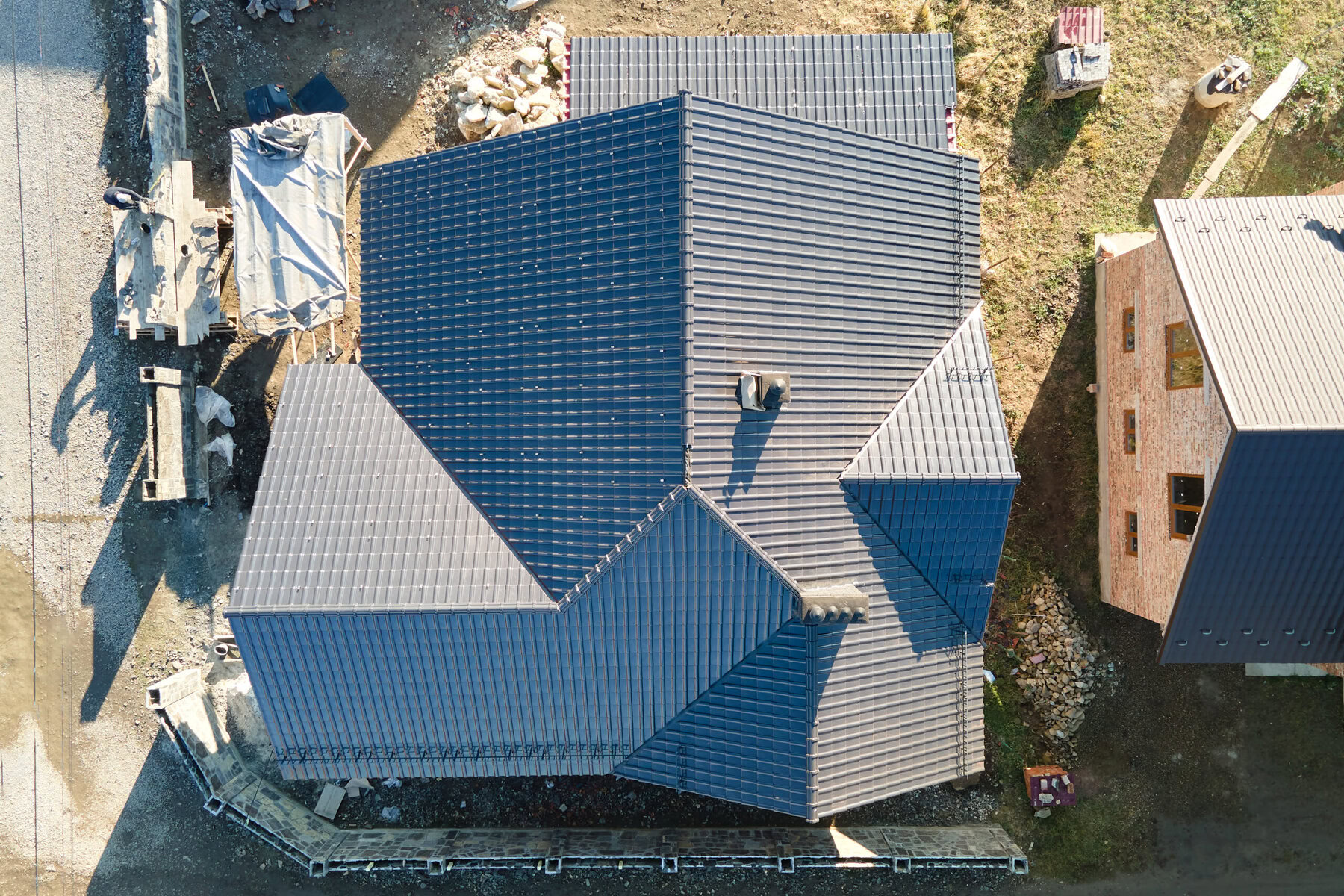
The common misconception is that only white roofs are cool. That’s not true anymore. Manufacturers now produce dark-colored tiles and shingles that meet cool roof standards by using infrared-reflective pigments. We’ve put dark gray cool tiles on a home in West Hollywood that performed within 5% of a white roof in terms of heat rejection. The trade-off is cost—these advanced pigments add 10-20% to material costs compared to standard versions.
What the Numbers Look Like
A properly installed cool roof can lower your roof surface temperature by 30-50°F. That translates to a 10-15% reduction in cooling energy use for a typical two-story LA home, according to data from the Department of Energy. But those numbers vary wildly based on your existing insulation, ductwork condition, and how much direct sun your roof gets. A home shaded by mature trees in Hancock Park won’t see the same savings as a exposed flat roof in Eagle Rock.
Common Mistakes We See Homeowners Make
We’ve been in enough attics to spot trouble before it starts. The biggest mistake is treating a cool roof as a standalone solution. We had a client in Culver City who spent $12,000 on a reflective coating for his 1920s bungalow, only to find his attic still felt like a sauna. The issue wasn’t the roof—it was the complete lack of insulation and a ridge vent that was blocked by bird nests. The coating helped, but without addressing the other thermal envelope issues, he was leaving half the potential savings on the table.
Another frequent error is choosing the wrong material for the roof pitch and structure. We’ve seen DIY homeowners apply thick elastomeric coatings on steep Spanish tile roofs, only to have the coating pool unevenly and crack within two years. The coating wasn’t bad—the application was wrong for that surface. Flat or low-slope roofs handle coatings well. Steep roofs need factory-applied reflective surfaces or specialized cool shingles.
The Rebate Trap
Southern California Edison and LADWP offer rebates for cool roofs, and they’re legitimately helpful. But we’ve seen homeowners rush to install the cheapest qualifying material just to get the rebate, then regret it when the roof doesn’t perform as expected or fails prematurely. The rebate should be a bonus, not the primary decision driver. A cool roof that lasts 15 years and saves you $200 annually is a better investment than a cheap one that needs recoating in five years.
When a Cool Roof Isn’t the Right Answer
This is the part most articles skip, but we deal with it regularly. A cool roof isn’t appropriate for every home. If you have a heavily shaded roof from large trees or neighboring buildings, the solar reflectance benefit drops significantly. The money might be better spent on attic insulation or upgrading to a high-SEER AC unit.
Also, if your roof is structurally compromised or nearing the end of its life, adding a cool coating is like putting lipstick on a pig. We’ve had to tell homeowners in Hollywood that their 25-year-old shake roof needs replacement first, not a cool coating. The coating won’t fix leaks, rot, or inadequate decking. In those cases, you’re better off budgeting for a full roof replacement with cool-rated materials from the start.
Climate Considerations
Los Angeles has a Mediterranean climate with mild winters and hot, dry summers. That makes cool roofs almost universally beneficial here. But if you live in a colder microclimate—say, high in the Santa Monica Mountains where you get frost—a cool roof could slightly increase your heating costs in winter. The net annual savings still favor a cool roof in LA, but it’s worth understanding that the benefit isn’t uniform year-round.
Installation Realities in Los Angeles
Working in LA means dealing with a unique set of constraints. Older neighborhoods like Los Feliz or Echo Park have homes with complex rooflines, multiple layers of old roofing, and limited access for material delivery. We’ve had projects where we had to hand-carry cool roof tiles up narrow stairways because the street couldn’t accommodate a lift. That adds labor time and cost.
Permitting is another reality. The City of Los Angeles Department of Building and Safety requires permits for most roof replacements and significant cool roof retrofits. If you’re in a historic preservation overlay zone—common in areas like Angelino Heights or parts of Santa Monica—you may need approval from the Cultural Heritage Commission before changing your roof color or material. We’ve seen projects delayed by months because someone assumed they could swap dark tiles for white without approval.
Professional vs. DIY
We’re not going to tell you that DIY is impossible, but we will tell you it’s risky. Cool roof coatings require precise surface preparation, proper weather windows (no rain for 48 hours, which in LA is usually doable), and the right application thickness. We’ve fixed more than a few DIY jobs where the coating was applied too thin, peeled within a year, or trapped moisture underneath. The savings from doing it yourself evaporate fast when you have to pay someone to strip and redo the whole thing.
For flat roofs, hiring a professional with experience in cool roof coatings usually pays off. For steep-slope roofs, we strongly recommend professional installation. The safety risks alone—working on a 8:12 pitch tile roof in July heat—aren’t worth the gamble. California Green Roofing in Los Angeles, CA has handled dozens of these retrofits, and we’ve learned that the prep work and material selection are where the real value comes from.
Comparing Cool Roof Options
To help you weigh the trade-offs honestly, here’s a breakdown of common cool roof materials and their real-world performance in LA homes.
| Material | Typical SRI | Lifespan | Cost per Sq Ft | Best For | Trade-Offs |
|---|---|---|---|---|---|
| White TPO Membrane | 80-90 | 15-20 years | $6-9 | Flat or low-slope roofs | Can show dirt; requires occasional cleaning |
| Cool Asphalt Shingles | 25-35 | 20-25 years | $4-7 | Steep-slope, budget-conscious | Lower SRI than other options; limited color choices |
| Cool Clay Tiles | 30-50 | 50+ years | $10-15 | Spanish or Mediterranean style | Heavy; may require structural reinforcement |
| Metal Roof with Cool Coating | 60-70 | 30-50 years | $8-12 | Modern or contemporary homes | Noisier in rain; expansion/contraction can stress fasteners |
| Elastomeric Coating (over existing roof) | 70-85 | 5-10 years | $2-4 | Flat roof retrofit | Requires reapplication; depends on base roof condition |
The numbers above are based on our experience with LA suppliers and local labor rates. Prices fluctuate, especially with material shortages, so always get current quotes.
What to Ask a Contractor
If you decide to move forward, ask potential contractors these questions before signing anything:
- What SRI value does the proposed material achieve, and is it certified by the Cool Roof Rating Council?
- Do you handle permitting for the City of Los Angeles, or do I need to pull the permit myself?
- How do you account for my specific roof pitch, orientation, and existing insulation?
- What’s your warranty on both materials and workmanship for cool roof installations?
- Can you provide references from similar homes in my neighborhood?
We’ve seen too many homeowners get sold on “cool roof” without anyone verifying the actual reflectance numbers. A contractor who can’t answer these questions isn’t the right fit.
The Bottom Line
A cool roof is one of the most effective passive energy measures available for LA homes, but it’s not a magic bullet. It works best as part of a comprehensive approach that includes adequate attic insulation, proper ventilation, and efficient HVAC equipment. The savings are real—we’ve tracked utility bills before and after for dozens of clients, and the 10-15% reduction holds up consistently—but they depend on getting the details right.
If your roof is in good shape and you’re tired of your second floor feeling like a pizza oven, a cool roof retrofit is worth serious consideration. If your roof is old and failing, replace it with cool-rated materials and solve two problems at once. And if you’re in a shaded home or a cold microclimate, run the numbers carefully before committing.
At the end of the day, this isn’t about chasing the latest green building trend. It’s about making your home more comfortable and your utility bills more predictable. In a city where the sun beats down eight months out of the year, that’s a practical goal worth pursuing.