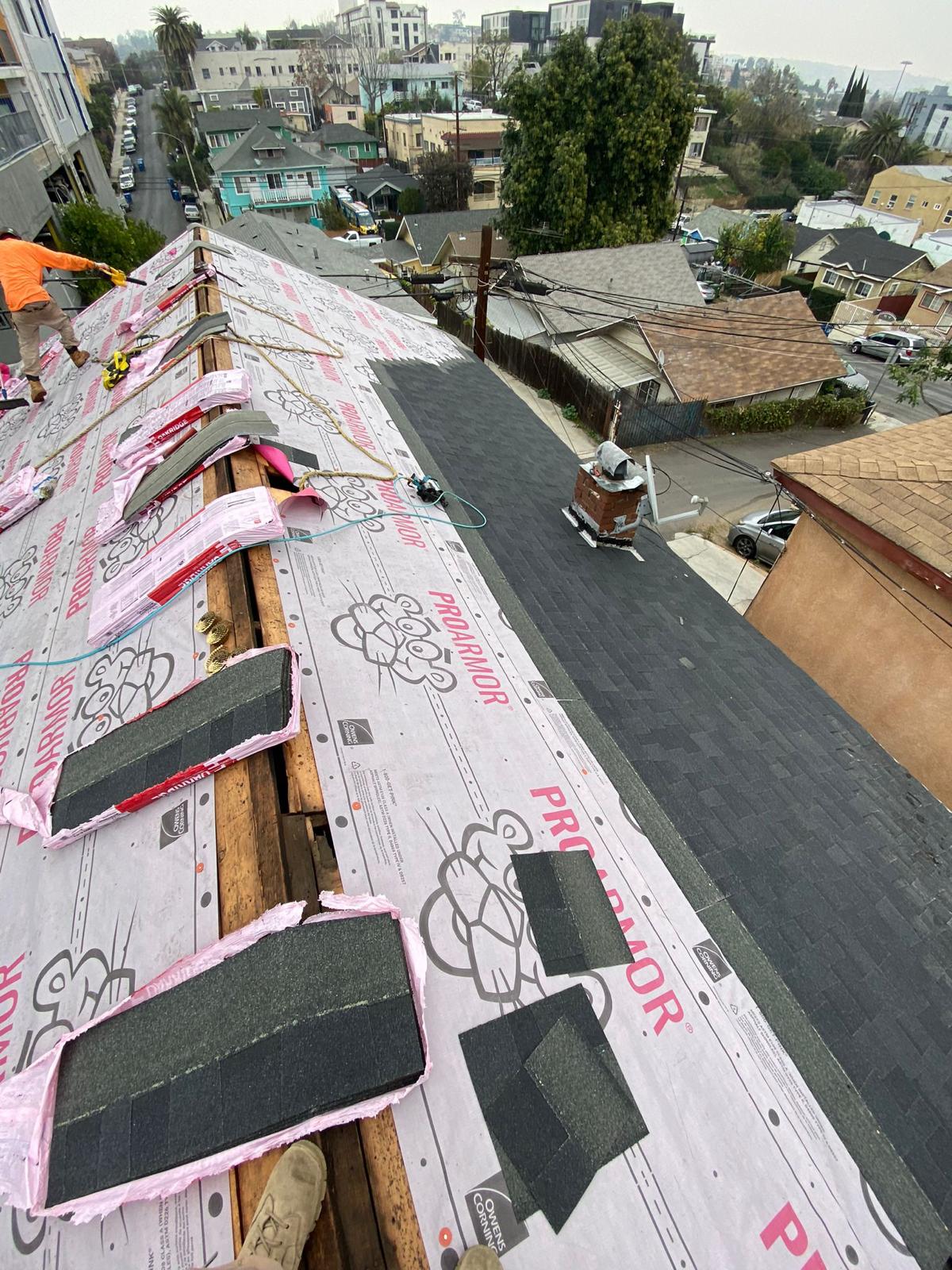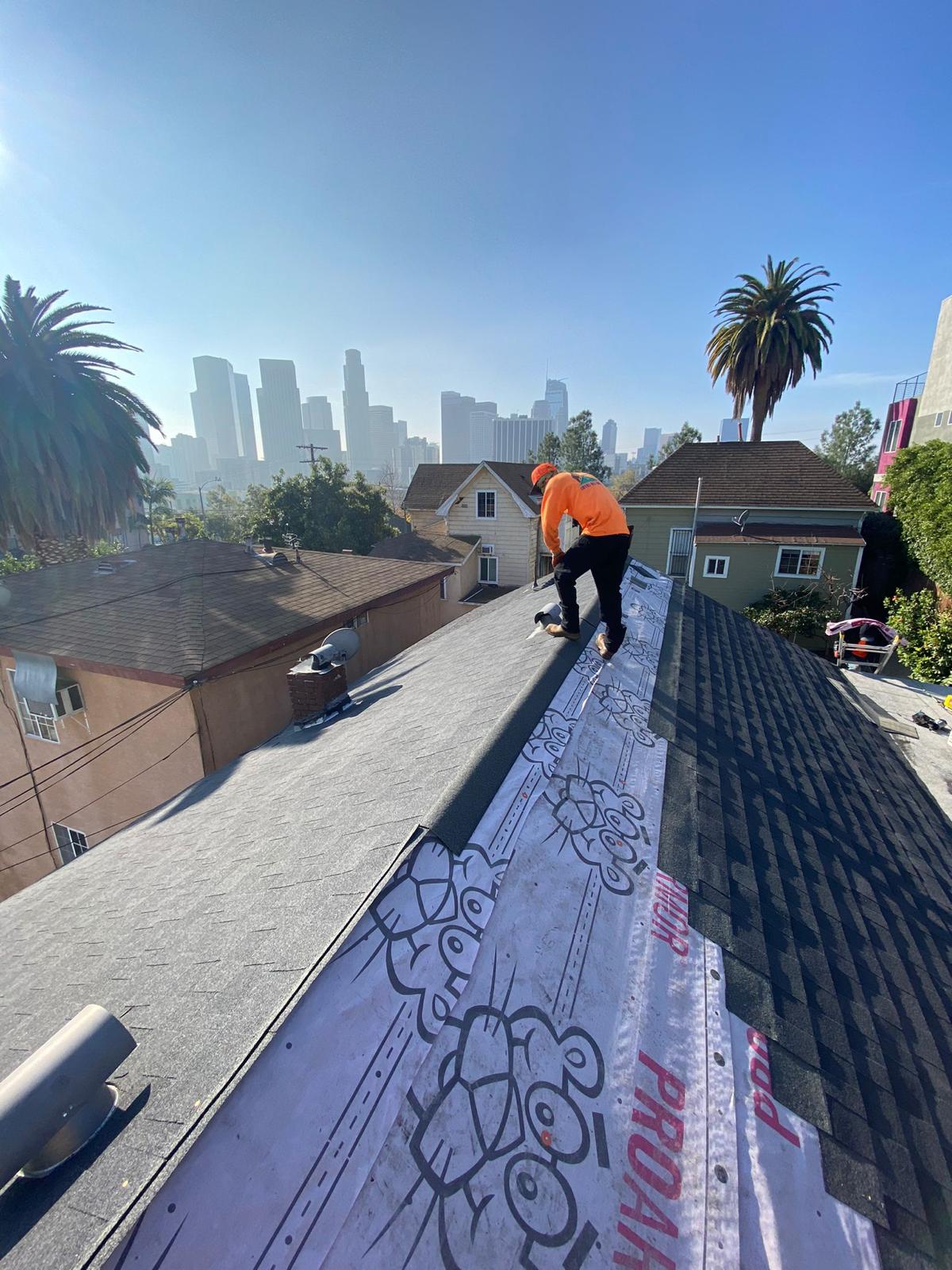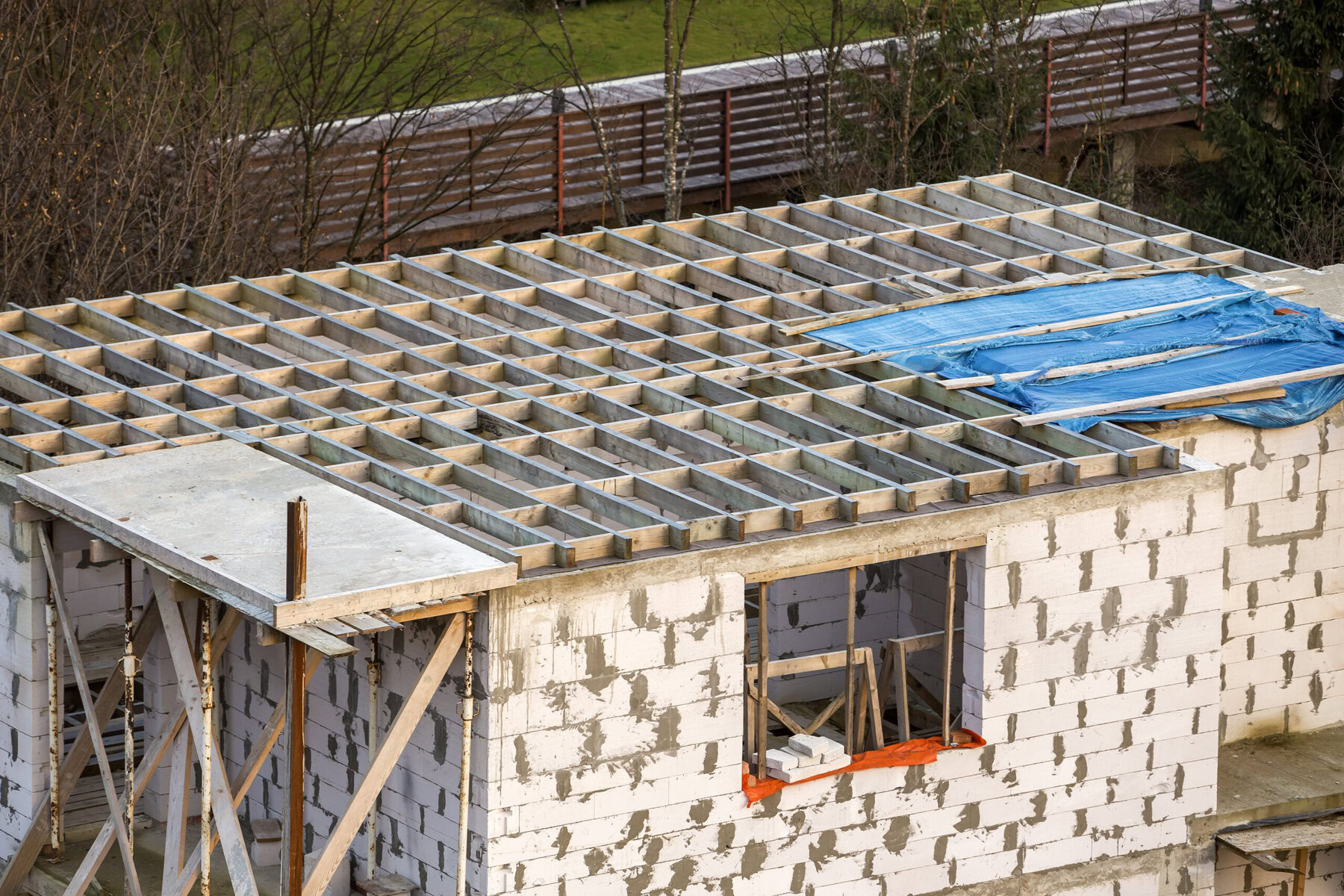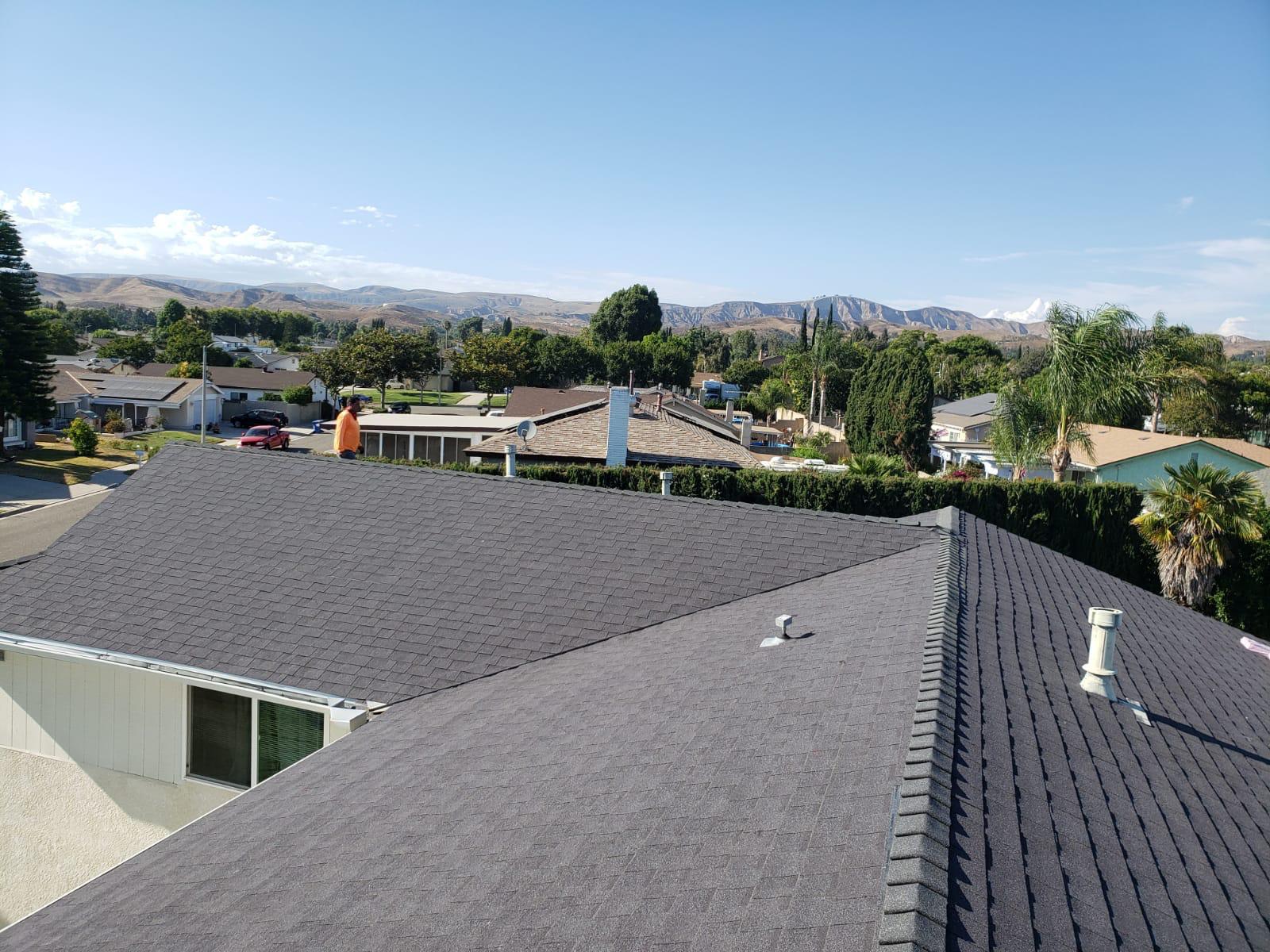
Let’s be honest, we’ve all stared at our roof at some point and wondered, “What exactly is going on up there?” Is it quietly doing its job, or is it secretly plotting a leak right over your favorite armchair? We get it. As a roofing company right here in Los Angeles, we have these conversations daily. It’s not just about shingles and tar paper; it’s about peace of mind, protecting your investment, and honestly, avoiding those surprise “indoor waterfall” moments that nobody finds funny.
So, grab a coffee, pull up a chair, and let’s talk roofs. We’ll walk through what you need to know, from spotting trouble to choosing the right fix, all from the perspective of folks who’ve seen it all from the top of a ladder.
What Your Roof is Trying to Tell You (And Why You Should Listen)
Your roof communicates, but it doesn’t use words. It uses stains, granules in your gutters, and the occasional mysterious drip. Ignoring these whispers is a surefire way to get a full-blown, expensive shout later on.
We always tell people that a proactive approach is the single best way to save money. Think of roofing maintenance like a dental check-up. A little cleaning and a small filling now beats a root canal later. For our commercial clients, commercial roof maintenance is even more critical. A small issue on a large building can lead to business interruptions, damaged inventory, and costs that make you wince.
So, what are the most common cries for help?
- Dark streaks or moss: That’s often algae or moisture buildup, which can degrade materials over time.
- Curled or missing shingles: These are your roof’s armor losing its plates. It leaves the underlayment vulnerable.
- Granules in the gutters: Asphalt shingles shed these as they age. A lot of granules mean the shingles are baking in our SoCal sun and losing their protective coating.
- Sagging areas: This is the big one. It often indicates structural issues with the decking or supports. Don’t just hope this goes away.
- Daylight through the roof boards: If you’re in your attic and see little beams of light, that’s a direct invitation for water. Close it immediately.
The Repair vs. Replacement Dilemma: It’s Not Just About Age
This is the million-dollar question (though we sincerely hope your project doesn’t cost that much). Age is a factor, but it’s not the only judge. We’ve seen 20-year-old roofs that need a full replacement and 30-year-old roofs that just need a skilled roof repair specialist for some targeted TLC.
The decision really boils down to the scope of damage, the remaining life of the materials, and, yes, your budget. A reputable contractor won’t push you toward a full replacement if a repair will honestly give you more good years. That’s the ethos we’ve built California Green Roofing on. Sometimes, a residential roof repair or a targeted tile roof repair is the perfect, affordable solution. Other times, patching is just throwing good money after bad.
Here’s a quick, honest breakdown:
| Scenario | Likely Solution | Why |
|---|---|---|
| 1-2 isolated leaks, no widespread damage | Repair | Focused roofing repair addresses the specific problem without the cost of a full tear-off. |
| Worn shingles, but decking is sound | Repair or Re-roof | Sometimes we can install new shingles over the old deck. It’s a good mid-point solution. |
| Multiple leaks, decking rot, or major storm damage | Replacement | This is where a new roof installation becomes the only sensible long-term investment. |
| Older roof with persistent issues | Replacement | Constant repairs add up. A new roof provides decades of worry-free performance. |
Why “Near Me” Matters More Than You Think
We get it, you’ll search for “roofing repair near me” or “nearest roofing company.” And you should! But let’s talk about why local expertise is non-negotiable.
A roofing company in Florida deals with hurricanes and humidity. A company in Minnesota battles ice dams. Here in Los Angeles, our roofs face a unique cocktail of blazing UV rays, Santa Ana winds, occasional heavy rains, and yes, seismic activity. A local roof service provider understands this specific recipe for wear and tear. They know which materials hold up best on a west-facing slope in the Valley versus a coastal property. They also understand local building codes inside and out.
When you work with a local team like ours at California Green Roofing, you’re not just getting a contractor; you’re getting a neighbor who understands the micro-climates of our city. We can often diagnose an issue over the phone just by knowing your neighborhood and the weather we had last month. Try getting that level of insight from a national call center.
Beyond Shingles: The Services You Might Not Know You Need
Roofing isn’t a one-trick pony. A full-service company offers a suite of solutions that can extend the life of your roof dramatically. IMO, skipping these is like buying a fancy car and never changing the oil.
- Professional Roof Inspections: This is your first line of defense. We recommend them annually and after any major storm. A good inspection isn’t just a glance from a drone; it involves getting on the roof and into the attic. It gives you a clear picture of your roof’s health and helps plan budgets.
- Roof Coating Services: This is a secret weapon for flat or low-slope roofs, common in commercial roof repairs and many modern homes. A reflective, elastomeric coating can seal small leaks, reflect solar heat (lowering cooling bills!), and add 10+ years of life. It’s often a brilliantly affordable alternative to a full replacement.
- Preventive Maintenance Programs: Especially for commercial properties, this is a no-brainer. Scheduled cleanings, inspections, and minor repairs keep small issues from becoming catastrophic. It’s the definition of “an ounce of prevention.”
Let’s Talk About the Elephant in the Room: Price & Cost
Alright, let’s address it. The price question. It’s the first thing everyone wants to know, and the hardest to answer in a blog post. Why? Because without seeing your roof, any number we give is a wild guess. And you should be wary of any company that gives you a firm quote over the phone.
The cost depends on:
- The size and pitch of your roof (steeper = more labor, more safety equipment).
- The materials you choose (asphalt, tile, metal, slate – the range is huge).
- The extent of the damage (are we replacing decking? just a section?).
- Accessibility (got a tight lot with huge trees? That can complicate things).
The goal is to find a balance between quality and investment. The cheapest option often ends up being the most expensive in the long run due to poor workmanship and subpar materials. We’ve built our reputation at California Green Roofing on transparent, detailed quotes. We show you the line items, so you know exactly what you’re paying for. FYI, that’s what you should demand from any contractor you consider.
Your Top Roofing Questions, Answered Straight
We hear these all day, every day. Let’s clear them up.
1. How long will my new roof last?
It depends heavily on the material. Here in LA, a quality asphalt shingle roof should last 20-25 years. Tile or metal can last 40-50 years or more. But remember, installation is everything. A masterfully installed shingle roof will outlast a poorly installed tile roof every time.
2. Can I just repair the leak myself?
You can try. We’ve seen heroic DIY efforts. But here’s the rub: finding the actual point of water entry is often a game of “find the leak” that starts feet away from the stain on your ceiling. A pro has the experience to trace the water trail back to its source. A DIY patch might just redirect the water somewhere else, causing hidden rot.
3. What’s the best time of year to replace a roof?
In Los Angeles, we’re lucky—we can work almost year-round. But generally, late spring and early fall offer the most predictable, mild weather. That said, if you have a leak in January, don’t wait! A good contractor can work safely in less-than-perfect conditions to get you sealed up.
Wrapping It All Up: Your Roof, Your Sanctuary
At the end of the day, your roof is more than just a construction project. It’s the shield over your family, your business, and your memories. Taking care of it shouldn’t feel like navigating a mystery.
Whether you need a simple roof inspection, a residential roof repair, a major commercial roof repair, or you’re considering a brand-new installation, the key is finding a partner you trust. Look for experience, local knowledge, transparency on cost, and a crew that treats your home like it’s their own.
And hey, if you’re in the area and the roof questions are piling up, give us a shout at California Green Roofing. We’re always happy to have a real, no-pressure conversation and help you figure out the best path forward. Because honestly, we’d all rather be thinking about anything other than a leaky roof, right? 🙂
People Also Ask
Spanish tile roofs and metal roofs offer distinct advantages. Spanish tiles, typically made from clay or concrete, provide excellent durability and a classic aesthetic that suits Mediterranean or Southwestern architecture. They are highly resistant to fire and can last over 50 years with proper maintenance, though they are heavy and may require reinforced roof framing. Metal roofs, often made from steel or aluminum, are lightweight, highly reflective for energy efficiency, and can last 40-70 years. They excel in shedding rain and snow and are often more cost-effective initially. The choice depends on climate, budget, and desired style, with Spanish tiles offering traditional charm and metal providing modern performance.
The 25% rule in roofing is a common insurance guideline used to determine if a roof needs a full replacement or just repairs after storm damage. If an inspection finds that over 25% of the roof's surface is damaged, many insurance policies will cover a full roof replacement instead of multiple, less effective spot repairs. This rule exists because repairing a large, compromised area often fails to address underlying structural issues and can be more costly long-term than a complete replacement. It's crucial to have a professional inspection after major weather events, as insurance adjusters use this assessment to make their final coverage determination. Homeowners should review their specific policy, as terms can vary.
Spanish tile roofs can significantly increase home value due to their durability, aesthetic appeal, and energy efficiency. These roofs are known for their long lifespan, often exceeding 50 years with proper maintenance, which is a strong selling point for potential buyers. The distinctive Mediterranean or Spanish Colonial style enhances curb appeal, making a property stand out in the market. Additionally, the thermal mass of clay tiles helps regulate indoor temperatures, potentially lowering energy costs. While the initial installation cost is higher than some alternatives, the investment is often recouped through increased property value and longevity. It's advisable to consult with a roofing professional to ensure proper installation and maintenance for optimal value retention.
The color of your roof should complement your home's exterior, but for energy efficiency, lighter colors are generally better in warm climates like California. Light-colored roofs reflect more sunlight, reducing heat absorption and lowering cooling costs. Dark roofs absorb heat, which can be beneficial in colder regions but may increase energy use in sunny areas. Consider your local climate, the roof's material, and your home's overall aesthetic. A professional roofer can advise on the best balance between appearance and performance, ensuring your choice meets both energy standards and enhances curb appeal.
The cost of a metal Spanish tile roof varies significantly based on materials, home size, and location. A genuine metal tile system that replicates the classic barrel tile look typically ranges from $15 to $30 per square foot installed. This premium cost reflects the material's durability, longevity (50+ years), and the complex installation required for the authentic profile. Key factors include the type of metal (galvalume or aluminum are common), roof complexity, and underlayment quality. While the initial investment is higher than some materials, homeowners benefit from excellent fire resistance, low maintenance, and energy efficiency. Always obtain multiple detailed quotes from licensed, experienced contractors for an accurate project estimate.
When comparing metal roof vs tile roof cost, metal roofing is generally more affordable upfront, with installation costs ranging from $8 to $15 per square foot. Tile roofing, often made of clay or concrete, typically costs between $10 and $25 per square foot for installation due to heavier materials and more labor-intensive work. However, tile roofs can last over 50 years, while metal roofs last 40-70 years, offering excellent longevity for both. Metal roofs provide superior energy efficiency and are lighter, potentially reducing structural support needs. The long-term value depends on your home's architecture, local climate, and budget, with both being premium, durable options that can increase property value.
The cost of a metal barrel tile roof varies significantly based on materials, size, and location. For a standard residential installation, homeowners can expect a range of $15 to $30 per square foot. This price includes materials like steel or aluminum tiles designed to mimic traditional clay barrel tiles, along with professional installation. Key cost factors are the roof's complexity, the need for new underlayment or decking repairs, and local labor rates. While the initial investment is higher than basic asphalt shingles, metal barrel tile offers exceptional durability, fire resistance, and a long lifespan, often exceeding 50 years with proper maintenance, providing strong long-term value.