Let’s be honest, we’ve all stared at our roof at some point and wondered, “What’s actually going on up there?” Is it quietly doing its job, or is it plotting a leak right over our favorite armchair? We get it. Roofs are out of sight, out of mind… until they very loudly aren’t. And in a place like Los Angeles, with our unique blend of sun, occasional rain, and yes, even the rare hailstorm, that overhead shield takes a serious beating.
We’ve spent years in the trenches (or rather, on the ladders) here, and we’ve seen it all. From the panic of a sudden leak during a rainy day to the slow, costly decline of a neglected commercial roof, the story is often the same: a little proactive care saves a massive headache later. So, grab a coffee, and let’s chat about what really keeps a roof over your head—literally. We’ll ditch the jargon and talk real-world roof service, from tiny repairs to full-blown replacements.
What Your Roof is Trying to Tell You (And Why You Should Listen)
Your roof isn’t subtle. It sends signals. We ignore them because, well, life is busy. But learning this language can save you a fortune.
The Obvious Red Flags
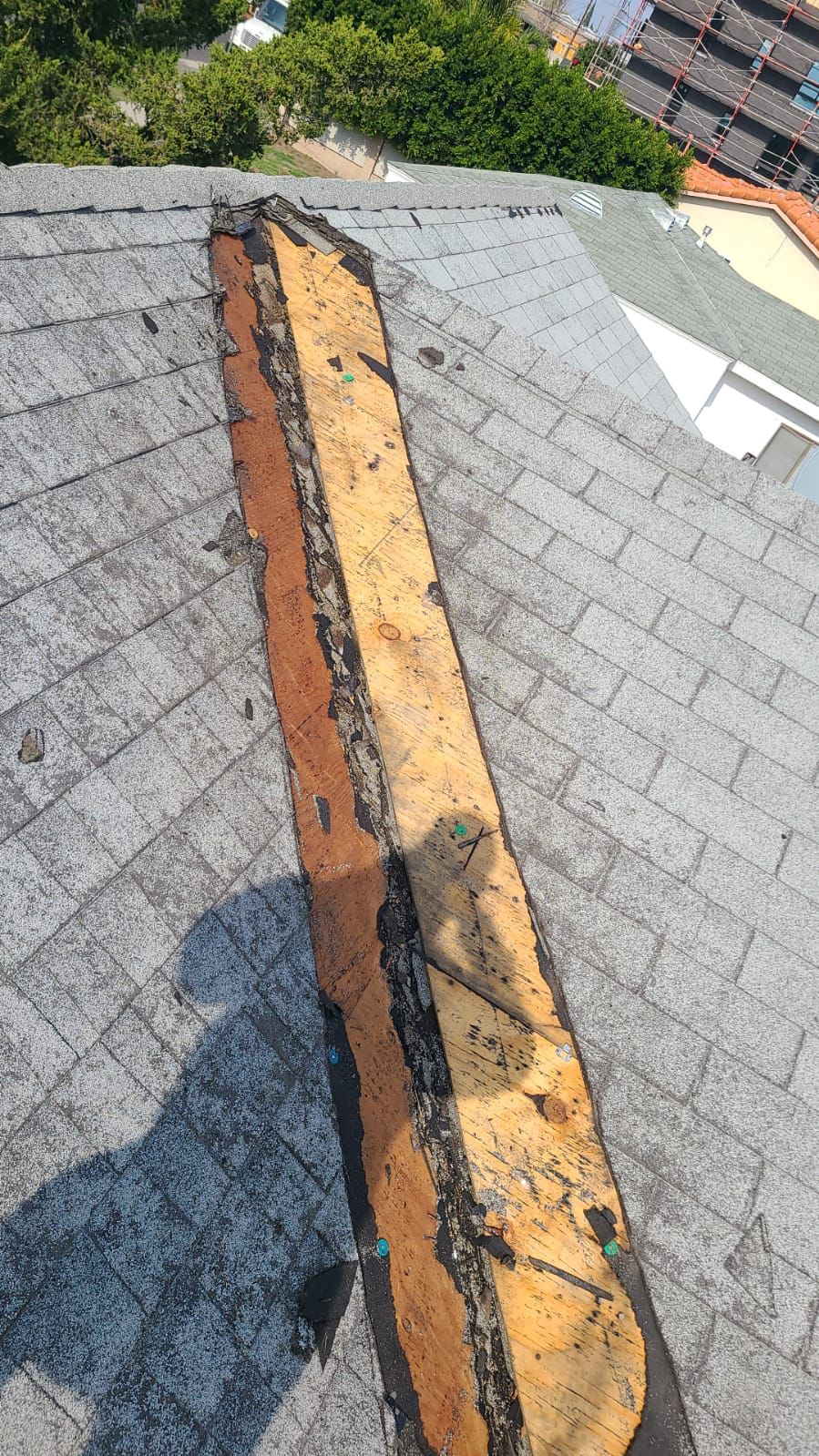
These are the ones you can’t miss. Water stains on your ceiling or interior walls are your roof’s version of screaming for help. Missing, cracked, or curling shingles or tiles are another dead giveaway. If you’re seeing granules from asphalt shingles in your gutters, that roof is shedding its protective layer faster than a sunburned tourist in July. These issues demand immediate attention from a roof repair specialist.
The Sneaky, Quiet Problems
These are the silent budget-killers. Compromised flashing around chimneys or vents, clogged gutters that cause water to back up under the roofing material, or minor punctures you’d never see from the ground. For a commercial roof, this might look like small blisters in the membrane or pooled water that doesn’t drain after 48 hours. These are why regular roof inspections aren’t a luxury; they’re an investment.
Think of it this way: addressing a small leak early might involve a quick, affordable fix. Ignoring it? That’s a one-way ticket to rotten decking, mold remediation, and damaged insulation. The cost difference isn’t linear; it’s exponential.
The Repair vs. Replacement Dilemma: It’s Not Rocket Science
This is the million-dollar question (though hopefully not literally). How do we know when a roofing repair is enough, or when we need to talk about a full roof installation?
When Repair is the Right Call
- Localized Damage: A few damaged shingles or tiles from a windstorm or a single leak source.
- The Roof is Relatively Young: If your roof is only halfway through its expected lifespan, fixing the problem area makes total sense.
- Budget Constraints: Honestly, sometimes a full replacement isn’t in the cards right now. A proper repair can buy you several more years of solid service.
For instance, tile roof repair is a perfect example of a targeted fix. At California Green Roofing, we often handle beautiful clay tile roofs where only a few tiles have cracked. We can match and replace them, preserving the entire roof’s integrity and aesthetic without the massive price tag of a re-roof.
When Replacement is the Inevitable Conversation
- Widespread Damage: If leaks are popping up everywhere, it’s not a leak problem; it’s a roof problem.
- Age: Asphalt shingles past 20-25 years, wood shakes past 30, or tiles with failing underlayment are living on borrowed time.
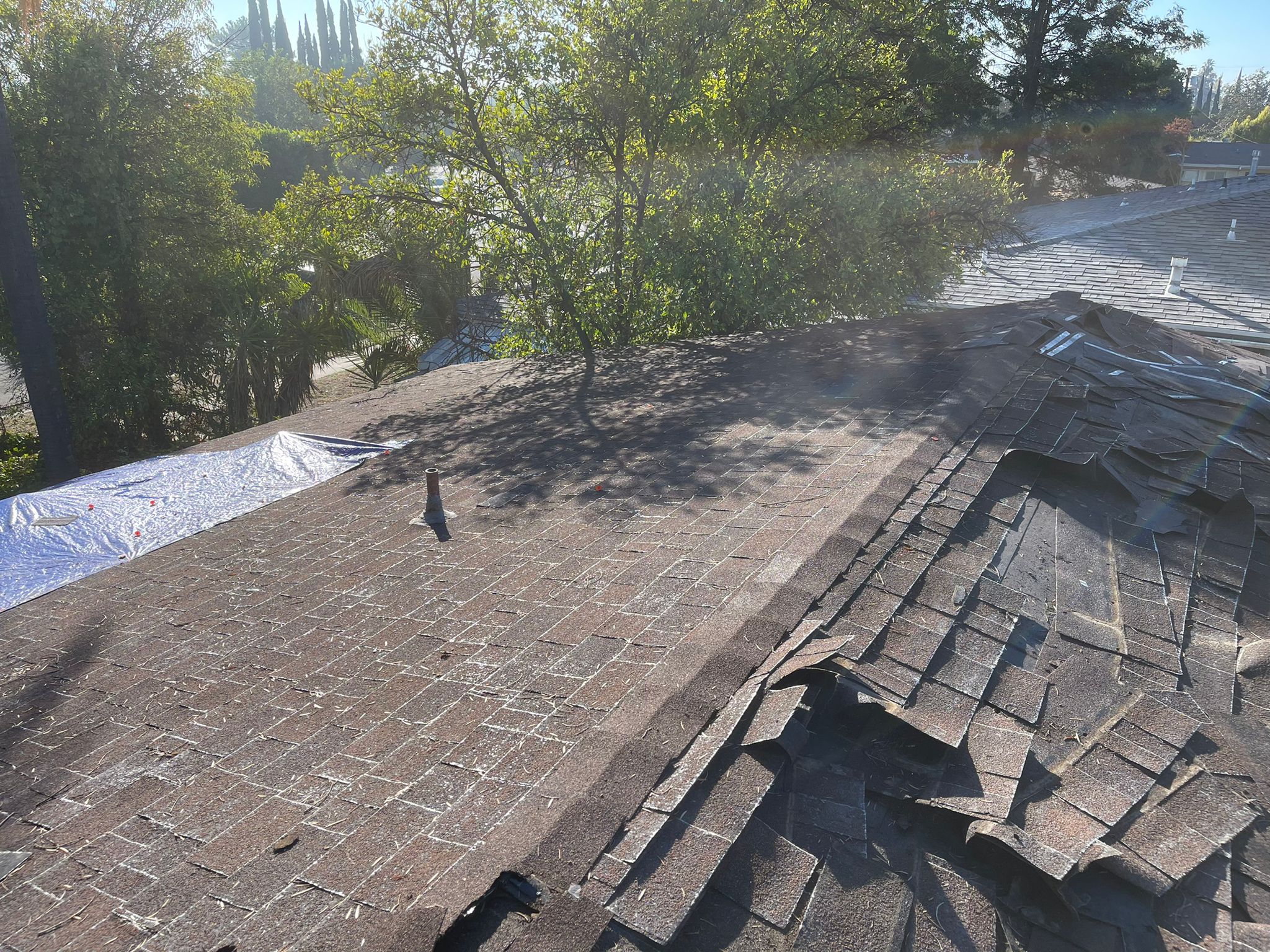
- Multiple Layers: Many Los Angeles homes have two or even three layers of old roofing. Building codes usually prohibit a third, so a tear-off is mandatory.
Here’s a personal anecdote from our team: We once inspected a residential roof repair job where the homeowner had patched the same leak three times in two years. Each patch cost a few hundred bucks. When we got up there, we found the underlayment was completely brittle and failing across the entire roof slope. They’d spent nearly the cost of a new roof section on temporary fixes. Sometimes, you just have to call it.
Maintenance: The Secret Sauce You’re Probably Missing
We’ll say it plainly: roofing maintenance is the most overlooked, value-packed service in our industry. It’s like changing the oil in your car. Skip it, and you’re gambling with a major engine failure.
For homeowners, this means bi-annual check-ups, especially before and after the rainy season. Clearing debris, checking seals, and ensuring gutters are clear. For business owners, commercial roof maintenance is non-negotiable. A planned maintenance program is cheaper than emergency commercial roof repairs every single time. It also dramatically extends the life of your asset.
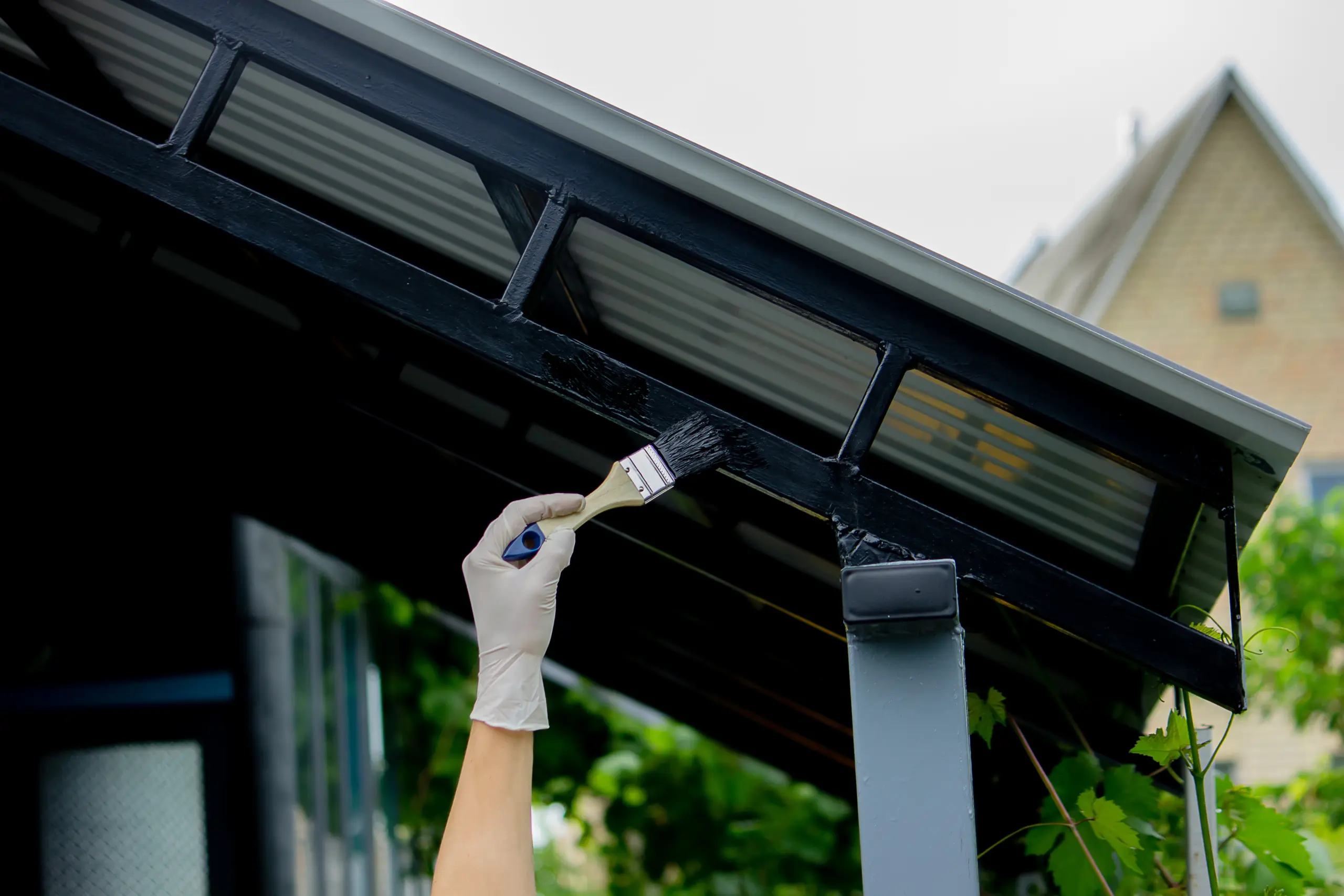
A fantastic service that falls under this umbrella is roof coating services. For many flat or low-slope commercial roofs, a reflective coating can seal minor imperfections, reflect solar heat (lowering those brutal AC bills), and add years of life. It’s a strategic investment, not just a cost.
Choosing Your Crew: More Than Just a Google Search
Okay, let’s talk about finding the right roofing company. Typing “nearest roofing company” into a search bar is a start, but it’s not a strategy. Here’s what we suggest you look for, IMO:
- Local Expertise: A roof installation contractor who knows the specific weather patterns and building codes of Los Angeles is crucial. What works in Florida won’t fly here.
- Proper Licensing & Insurance: This is non-negotiable. Ask for proof. A true professional will have it ready.
- Detailed, Written Estimates: The price should be clear, with a scope of work that explains exactly what they will and won’t do. Vague estimates lead to nasty surprises.
- Warranties: They should offer strong warranties on both materials and labor. It’s a sign they stand behind their work.
Why does this matter? We’ve had to become the cleanup crew for too many jobs where a homeowner went with the cheapest bid, only to find subpar materials, unsafe work practices, and leaks within months. The initial savings vanished instantly. Don’t let that be you.
A Quick Guide to Common Roofing Materials in LA
| Material | Pros | Cons | Best For… | Our Take (From the Front Lines) |
|---|---|---|---|---|
| Asphalt Shingles | Affordable, versatile, easy to install & repair. | Shorter lifespan, less energy-efficient, can be damaged by high winds. | Residential roof repair and replacement on a budget. Classic look. | The workhorse of LA. Great value, but invest in higher-quality architectural shingles if you can. They last longer and look better. |
| Clay & Concrete Tile | Incredibly durable, fire-resistant, iconic SoCal aesthetic, great insulation. | Heavy (requires strong framing), tile roof repair can be tricky, higher upfront cost. | Homes wanting that timeless Spanish or Mediterranean style. | Our personal favorite for beauty and longevity. Just ensure your roof service provider truly specializes in them. Improper handling during roof inspections or repairs can cause more breakage. |
| Metal Roofing | Long-lasting, energy-efficient, fire-resistant, great for rainwater collection. | Higher initial investment, can be noisy in rain (without proper decking), requires specialist for installation. | Modern homes, commercial applications, and eco-conscious projects. | A superstar for sustainability. We see its popularity soaring, especially with the cool, reflective coatings available now. |
| Single-Ply (TPO/PVC) | Excellent for flat roofs, highly reflective, resistant to chemicals and punctures. | Primarily for low-slope applications, installation is critical to avoid seam failures. | Commercial roof maintenance and new installations on warehouses, retail, etc. | The go-to for modern commercial roof repairs and installations. Proper installation is 90% of the battle here. |
Your Burning Roofing Questions, Answered
1. How often should I really get a roof inspection?
For a typical home, we recommend a professional inspection every two to three years. Annually if your roof is over ten years old or you’ve had severe weather. For commercial roof maintenance, it should be part of a bi-annual service plan, no exceptions. It’s the cheapest insurance policy you’ll ever buy.
2. Can I just do repairs or maintenance myself?
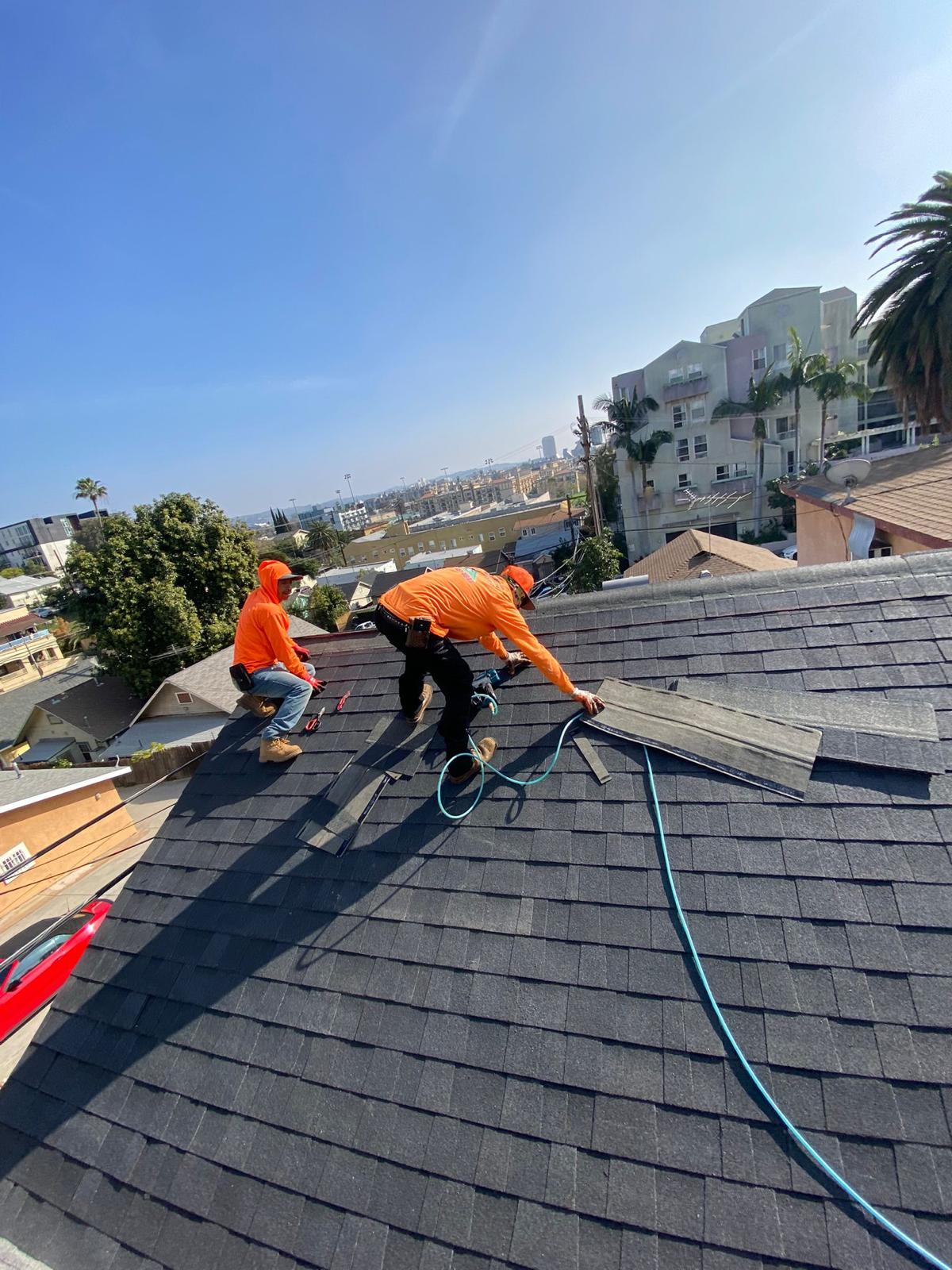
We admire the DIY spirit, truly. But FYI, roofing is dangerous work (ladders, heights, unpredictable surfaces). More importantly, an untrained eye can miss the subtle signs of major trouble. What looks like a few missing shingles could be a symptom of widespread underlayment failure. Our advice? Leave the roof repair specialist work to the specialists. Your safety and your wallet will thank you.
3. How do I budget for a roof replacement? It seems overwhelming.
It’s a big project, but breaking it down helps. First, get 2-3 detailed estimates from reputable companies like California Green Roofing. Understand the material options and their lifespan—sometimes paying a bit more upfront for a 40-year tile versus 25-year shingles makes long-term sense. Ask about financing options; many reputable contractors offer them. Finally, view it as a long-term investment in your property’s value, safety, and your own peace of mind. It’s not an expense; it’s a capstone on your biggest asset.
So, there you have it. A no-nonsense, chat-from-the-rooftops look at keeping your overhead in check. Remember, your roof is the one part of your property that takes the full force of everything the sky throws at it. Giving it the attention it deserves isn’t just smart; it’s essential.
If all this talk has you glancing nervously at your ceiling, maybe it’s time for a professional set of eyes. We’re always here for a no-pressure conversation or to schedule a thorough inspection. After all, the best roof service is the one that keeps you dry, safe, and not worrying about what’s happening over your head. Let’s keep it that way.
People Also Ask
The best roofing for commercial buildings depends on factors like climate, building design, and budget. In many commercial applications, single-ply membranes (TPO, PVC, EPDM) are top choices for their durability, energy efficiency, and cost-effectiveness. For structures requiring exceptional longevity and resilience, standing seam metal roofing is a premier option, offering superior weather resistance and a modern aesthetic. In Los Angeles, the specific benefits of metal systems for commercial properties are significant, as detailed in our internal article The Rise Of Metal Roofing For Los Angeles Commercial Buildings. A professional assessment is crucial to select the optimal material that meets performance requirements, local building codes, and long-term maintenance goals.
The largest commercial roofing manufacturers in the U.S. include industry giants like GAF, Carlisle SynTec Systems, and Firestone Building Products. These companies are known for producing high-performance single-ply membranes (such as TPO, PVC, and EPDM), modified bitumen systems, and comprehensive roofing accessories. Other major players include Johns Manville, CertainTeed, and Sika Sarnafil. These manufacturers invest heavily in research to develop durable, energy-efficient, and sustainable roofing solutions that meet strict building codes and standards. For any commercial project, specifying materials from these established leaders ensures access to robust warranties, technical support, and proven system performance for long-term building protection.
The best commercial roofing software depends on a company's specific needs, but industry leaders include AccuLynx for its comprehensive project management, CRM, and estimating tools, and JobNimbus for its robust workflow automation and integration capabilities. For detailed estimating and takeoffs, RoofSnap and EagleView are highly regarded. The ideal solution should integrate key functions like estimating, project scheduling, material ordering, and customer communication into a single platform. It is crucial to choose software that is scalable, offers reliable mobile access for field crews, and provides strong customer support. Many companies benefit from requesting demos and trial periods to ensure the software aligns with their operational workflow before committing.
The top five roofing materials in California are chosen for durability, energy efficiency, and fire resistance. Concrete and Clay Tile are extremely popular, especially for Spanish and Mediterranean-style homes, due to their longevity and excellent thermal mass. Asphalt Composition Shingles remain a cost-effective and versatile choice, with modern versions offering improved fire ratings. Metal Roofing, particularly standing seam, is gaining favor for its reflectivity, durability in wildfires, and suitability for rainwater harvesting. Composite/Synthetic Slate or Shake offers the aesthetic of wood or slate with superior fire resistance and lower maintenance. Finally, Built-Up Roofing (BUR) or Modified Bitumen is a standard for low-slope commercial applications, providing reliable waterproofing.