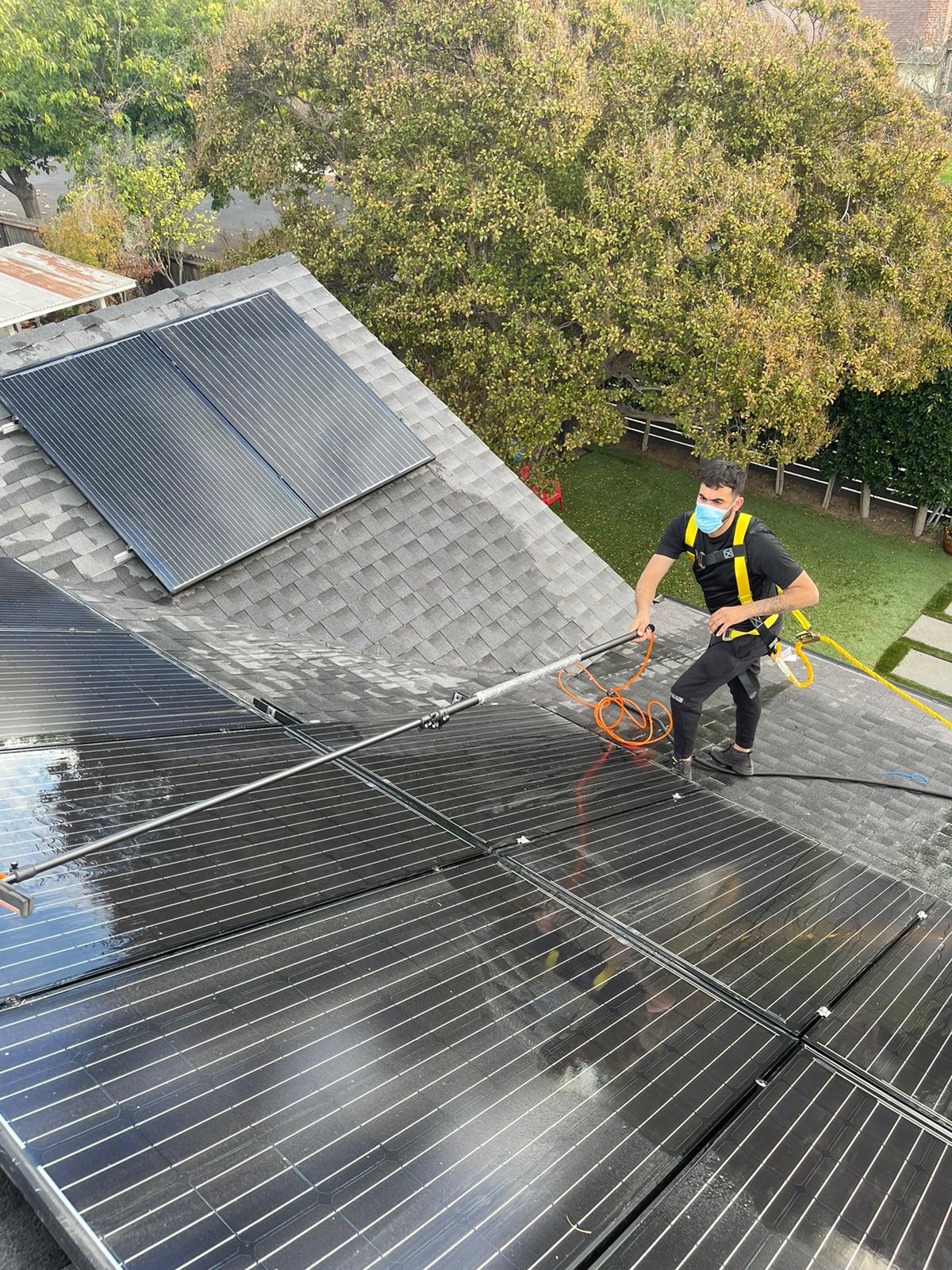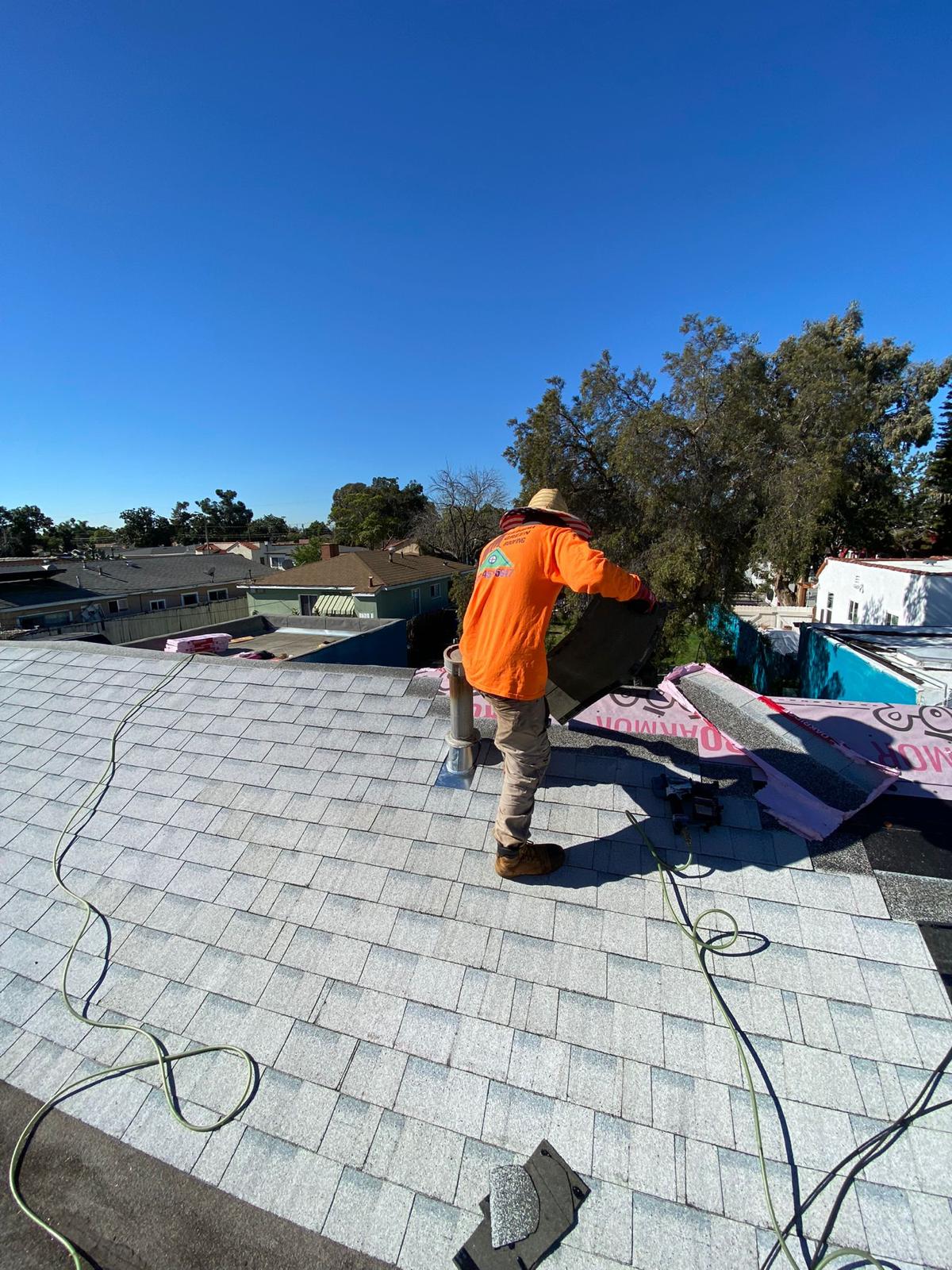
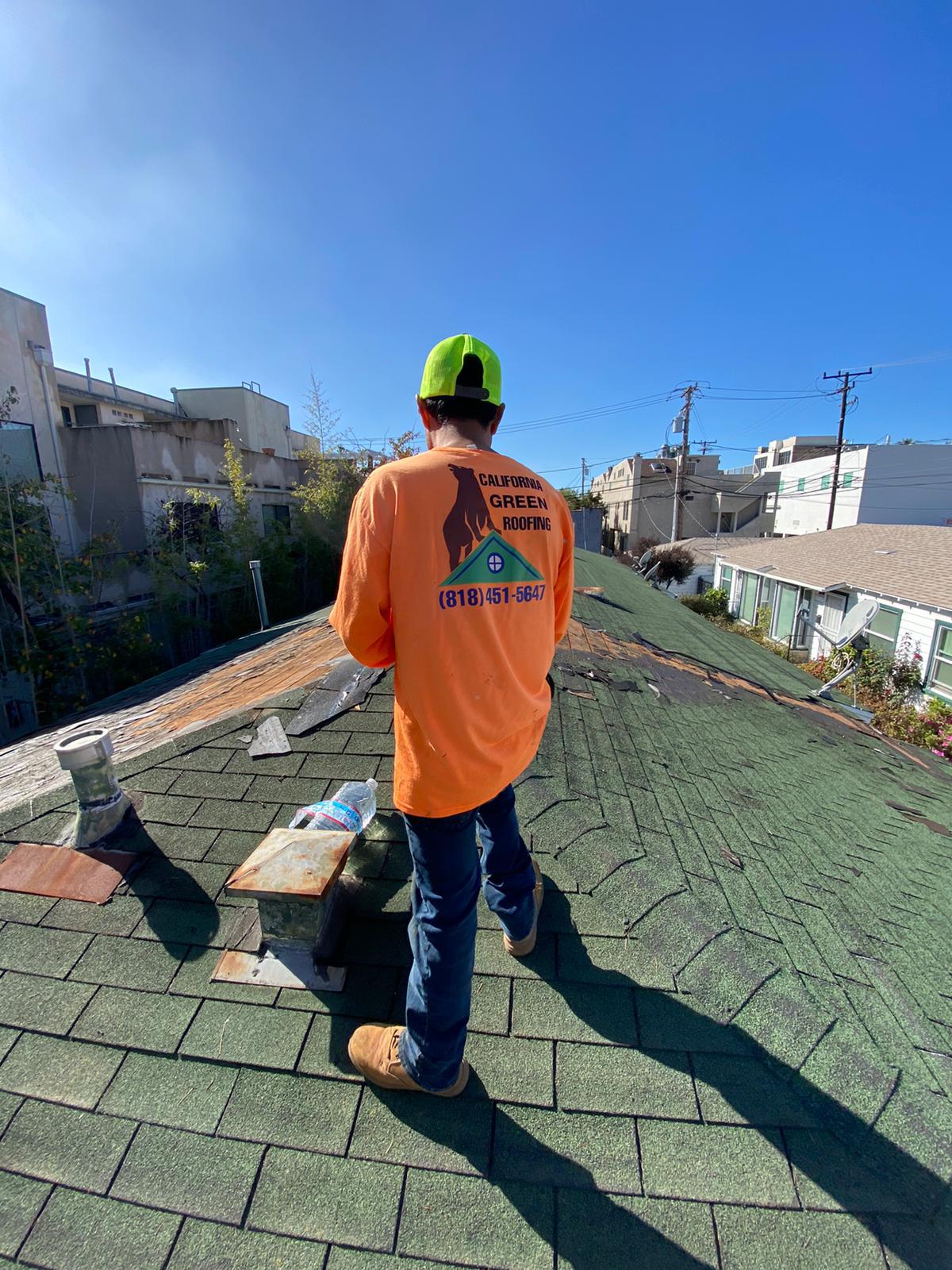
Let’s be honest, we’ve all stared at our roofs at some point and wondered, “What exactly is going on up there?” Is it quietly protecting our biggest investment, or is it secretly plotting a leaky, expensive rebellion? We get it. As fellow homeowners and business owners right here in Los Angeles, we’ve had those same thoughts. That’s why we want to pull back the curtain (or should we say, lift up the shingles?) on everything roof-related today.
Think of this as a chat between friends who’ve been through the roofing wringer, so you don’t have to. We’ll talk about what to look for, when to panic (hint: rarely), and how to find the right help without losing your sanity or your savings. And yeah, we’ll mention our own adventures running California Green Roofing here in LA, because frankly, we’ve learned a thing or two we’re excited to share.
Getting to Know Your Roof’s Personality
Your roof isn’t just a bunch of materials nailed together. It has a whole personality, shaped by our unique SoCal “weather” (sun, sun, more sun, and the occasional surprise downpour). Understanding this is step one to a long, happy relationship with the thing over your head.
The Silent Signals It Sends
A roof rarely screams for help. It whispers. Maybe it’s a few more granules in the gutter than usual, a shingle that looks a bit tired and curled, or a dark streak that suggests algae is throwing a party. These are your roof’s way of texting you “u up?” at 2 AM. It’s trying to get your attention before it has to send a more dramatic message—like a water stain on your ceiling.
Ever wondered why your neighbor’s roof looks pristine while yours seems… sad? It often comes down to consistent, proactive care. IMO, treating roofing maintenance like you treat changing the oil in your car saves you a world of hurt later. A small roof repair issue today is always, always more affordable than a major replacement tomorrow.
Why Regular Check-Ups Are Non-Negotiable
We tell all our clients this: the single best investment you can make in your roof is a professional roof inspection. It’s like a physical for your house. We’ve seen it countless times at California Green Roofing—a tiny, $200 fix we catch during an inspection prevents a $5,000 roofing repair nightmare six months later. It just makes sense.
When to DIY and When to Absolutely, Positively Call a Pro
We love a good DIY project. Painting a room? Go for it. Unclogging a drain? You got this. But your roof? That’s a different story. Let’s break down the risk vs. reward here.
The “Okay, Maybe” List
- Gutter Cleaning: Keeping those gutters clear is crucial. If you’re safe on a ladder and comfortable, this is a great weekend task.
- Visual Ground Checks: Using binoculars from the safety of your lawn to look for obvious damage. You’re the first line of defense!
- Trimming Overhanging Branches: Preventing physical damage and debris buildup is smart preventative care.
The “Please, Call Someone” List
- Any Repair Involving Actual Roof Materials: Missing shingles, cracked tile roof repair, sealing leaks. This requires expertise, the right materials, and, you know, not falling off your house.
- Diagnosing a Leak: Water is sneaky. The spot where it comes in is rarely right above the stain. You need a roof repair specialist to play detective.
- Anything After a Major Storm: If you suspect damage, you need a pro to assess it safely and thoroughly for insurance purposes.
Finding the nearest reputable roofing company is key here. Don’t just pick the first name in a Google ad. Look for established, local companies with strong reviews. A great roof installation contractor for a new build might not be the same wizard you want for delicate residential roof repair. For instance, at our company, California Green Roofing, we have separate, specialized crews for major installations and intricate repair work because the skillsets are different.
Decoding the Price Tag: What Are You Really Paying For?
Let’s talk about the cost. It’s the elephant in the room, and we’re not going to ignore it. When you get a quote, you’re not just paying for bundles of shingles and hours of labor. You’re paying for peace of mind, which is built on a few pillars.
The Anatomy of a Quote
A good quote from a roofing company should be transparent. It should break down:
- Materials: Quality and type of underlayment, shingles, flashing, etc.
- Labor: The skilled crew doing the work.
- Waste Removal: Hauling away the old roof is a big job!
- Permits & Fees: Necessary for legal, up-to-code work in Los Angeles.
- Warranty: Both on the materials and the contractor’s workmanship.
The Affordable Illusion
We see ads all the time screaming about the cheapest price. Here’s the thing: in roofing, you often get what you pay for. The lowest bid might mean subpar materials, rushed work, or a crew that isn’t properly insured. That “affordable” roof service could end up costing you double when you need to redo it in five years. A fair price reflects quality, experience, and longevity.
Commercial vs. Residential: Two Different Beasts
This is a big one. Managing the roof over a warehouse is a whole different ballgame than caring for your home’s roof.
Residential Roof Repair: The Personal Touch
Your home is your castle. Residential roof repair is often about aesthetics, matching existing materials (like that specific clay tile), and minimizing disruption to your family life. It’s personal. The crew should treat your property like their own.
Commercial Roof Maintenance: The Strategic Operation
For a business, the roof is a critical asset. Commercial roof maintenance is less about curb appeal and more about preventing operational shutdowns, protecting inventory, and managing energy costs. Commercial roof repairs need to be swift, often done after hours, and planned with minimal business interruption. Services like roof coating services can be a game-changer for large, flat commercial roofs, extending their life dramatically and boosting energy efficiency. It’s a strategic investment, not just a repair.
Your Handy Roofing Decision Table
| Scenario | Likely Need | Who to Call | Pro Tip |
|---|---|---|---|
| You see a missing or cracked shingle. | Minor Roofing Repair | A roof repair specialist or general roofing company. | Don’t wait. This is a small opening for water. |
| Roof is over 20 years old, looks worn. | Roof Inspection & Potential Replacement Consultation | A full-service roof installation contractor. | Get 2-3 quotes. Compare warranties, not just price. |
| Water stain appears on interior ceiling. | Leak Diagnosis & Repair | A roof repair specialist with leak detection expertise. | Mark the spot and take photos before it rains again. |
| You own an apartment complex or warehouse. | Commercial Roof Maintenance Plan | A company specializing in commercial roof repairs. | Ask about preventative plans and emergency response times. |
| You want to improve energy efficiency. | Roof Coating Services or Cool Roof Consultation | A contractor experienced in reflective coatings. | Great for flat/low-slope roofs. Can slash cooling costs. |
| After a major wind/rain event. | Emergency Roof Inspection | Any reputable, near emergency roof service. | Document everything for insurance before making temporary repairs. |
Three Questions We Hear All the Time (And Our Straight Answers)
1. “How often should I really get my roof inspected?”
For most homes in Los Angeles, we recommend a professional inspection every two to three years. For a commercial property, annually is smarter. After any major weather event, it’s a good idea to at least do your own visual ground check. Think of it as cheap insurance.
2. “Can’t I just patch the leak myself?”
You can try. And you might even succeed… temporarily. But without fixing the root cause—which is often yards away from the leak itself—you’re just putting a band-aid on a broken arm. A pro finds the source, not just the symptom. FYI, improper patches can void material warranties.
3. “What’s the biggest mistake people make when hiring a roofing company?”
Choosing based on price alone. The second biggest? Not verifying insurance and licenses. Always ask for proof of both general liability and workers’ compensation insurance. A legitimate company, like California Green Roofing, will have this ready to show you before you even ask. It protects you from being liable if an accident happens on your property.
So, there you have it. A roof doesn’t have to be a mystery or a source of anxiety. With a little knowledge and the right partner, it can just be the quiet, reliable hero of your home or business. Pay attention to its whispers, invest in its health, and choose your repair team like you’d choose a friend to help you move—look for the strong, reliable, and experienced ones, not just the ones with the cheapest pizza offer 🙂
If all this talk has you looking sideways at your own roof, or if you just want a professional set of eyes to give you the all-clear, you know where to find us. We’re always here for a no-pressure chat. After all, keeping Los Angeles covered, one roof at a time, is what we love to do.
Related Articles
The Title 24 Roofer: What California’s New Energy Code Means For Your Replacement
Building A Roof To Last: The Key Decisions In Residential Roof Construction
People Also Ask
The top five roofing materials in California are chosen for durability, energy efficiency, and fire resistance. Concrete and clay tiles are extremely popular for their longevity, classic aesthetic, and excellent performance in heat. Asphalt composition shingles remain a cost-effective and versatile choice, with modern options offering improved fire ratings. Metal roofing, particularly standing seam, is highly valued for its reflectivity, durability in wildfires, and suitability for rainwater harvesting. Composite or synthetic roofing (like polymer slate) offers a lightweight, fire-resistant alternative that mimics premium materials. Finally, cool roofing systems, including specialized coatings and single-ply membranes, are crucial for commercial buildings to meet energy codes and reduce urban heat island effects.
Roofs in Los Angeles feature a diverse range of materials suited to the local climate and architectural styles. Common choices include concrete and clay tiles, which offer durability and a classic aesthetic. Asphalt shingles are also widely used for their cost-effectiveness and variety. Metal roofing is popular for its energy efficiency and fire resistance, while built-up roofing (BUR) and single-ply membranes are standard for commercial flat roofs. For a detailed analysis of one of the most common residential options, consider our internal article Asphalt Shingles In LA: Are They A Good Fit For Your Home?, which examines the pros and cons of asphalt shingles in the Southern California context. The choice ultimately depends on budget, home design, and performance needs.
The 25% rule in roofing is a common insurance guideline used to determine coverage for roof replacement. It states that if a roof has sustained damage to 25% or more of its total surface area, many insurance policies will cover a full roof replacement rather than just spot repairs. This rule exists because patching a roof with extensive damage is often not cost-effective or structurally sound in the long term. It's crucial for homeowners to have a professional inspection after a major storm to accurately assess the damage percentage. However, policy terms vary, so you should always review your specific insurance contract and consult with your provider and a qualified roofing contractor to understand your coverage.
EPDM and TPO are both excellent single-ply roofing membranes, but the better choice depends on your specific project. EPDM, made from synthetic rubber, is renowned for its exceptional durability, weather resistance, and long lifespan, often exceeding 30 years. It performs very well in cold climates. TPO, a thermoplastic, is highly reflective, which improves energy efficiency by reducing cooling costs, and its heat-welded seams are extremely strong. For a commercial building in a sunny, warm climate where energy savings are a priority, TPO is often the superior choice. For a residential or low-slope application where proven long-term weathering and cold temperature flexibility are key, EPDM may be the better option. A professional assessment of your building's structure, location, and budget is essential.
California roof styles are diverse, reflecting the state's varied climate and architectural history. In coastal areas, low-pitched or flat roofs with Spanish tile or modern composite materials are common, offering wind resistance and a classic aesthetic. Inland and mountainous regions often feature steeper gable or hip roofs with asphalt shingles or metal to shed snow and handle greater thermal swings. A defining modern trend across the state is the integration of sustainable features. This includes cool roofs with reflective coatings to reduce heat absorption and energy costs, and the increasing adoption of solar-ready designs and living green roofs, which align with California's strong environmental building codes and water conservation efforts.
Roof framing in California must adhere to strict building codes that account for seismic activity, wind loads, and sometimes wildfire risks. The California Building Code (CBC), based on the International Building Code, dictates requirements for materials, connections, and engineering. Common systems include engineered wood trusses for efficiency and conventional stick framing with rafters and ceiling joists for complex designs. A critical consideration is the continuous load path, where roof elements are securely tied to walls and the foundation to resist earthquake forces. Proper framing is essential for supporting heavy roofing materials like clay tile and for ensuring overall structural integrity against the state's unique environmental challenges.