Roof repair to full reroof
Roofing Woodland Hills, CA
honest repair, solid roofs
Roofing Woodland Hills homes means working through some of the fiercest heat the county has ever measured, a reading of 121 degrees taken here on September 6, 2020. We find out what that sun has done to your roof, tell you plainly whether a repair will hold or a new roof is due, and stand behind the work with a written 20-year workmanship warranty.
Bonded, insured, CSLB #1100046
Workmanship warranty, 20 years
In-house, family-run crews
Roofing Woodland Hills at a glance
Heat on the roof
What Woodland Hills temperature extremes do to a roof
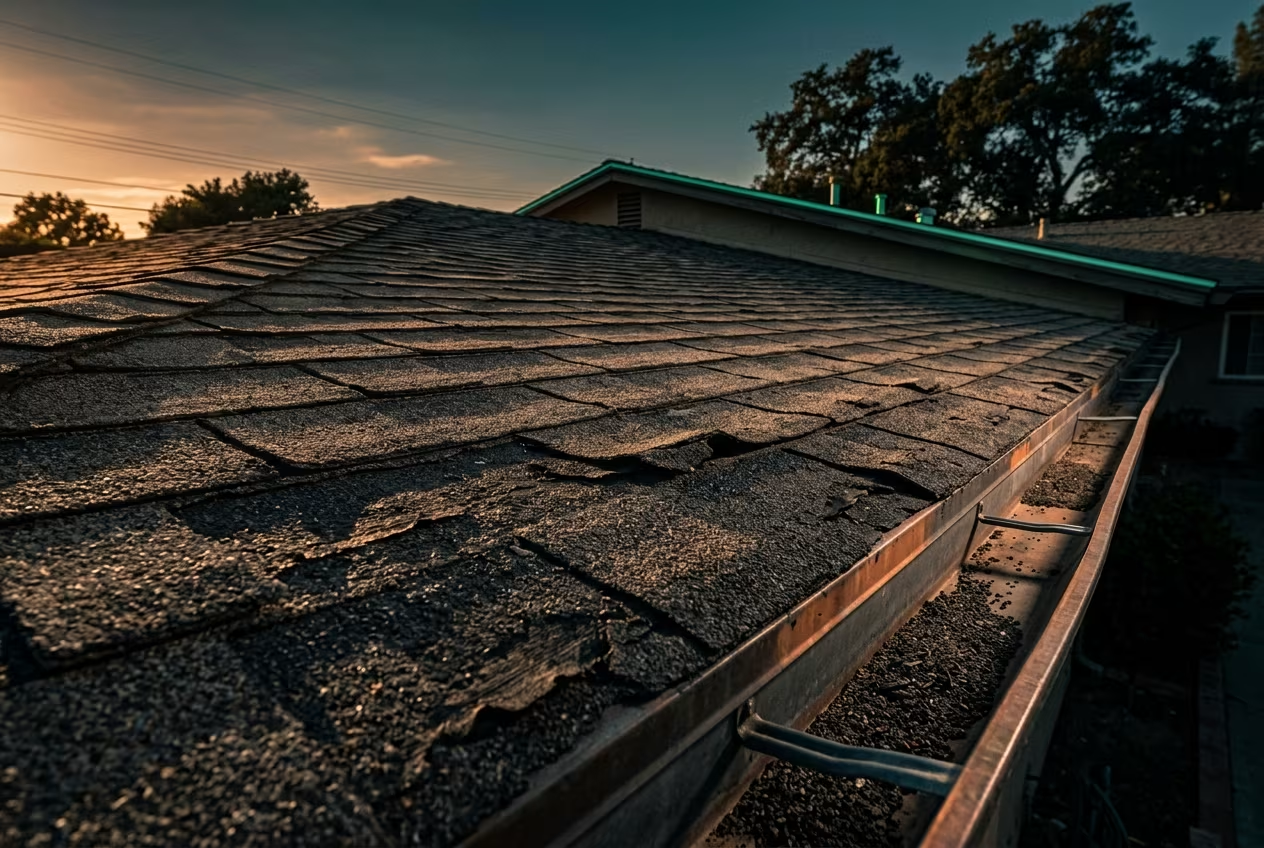
On a summer afternoon a dark roof can sit far above the temperature of the air around the house, and here that happens day after day from late spring into fall. Every roof in this heat has two jobs at once: shed the winter rain and survive the summer sun. Some heat damage shows from the ground; the rest stays hidden until a winter storm finds the weak layer. Heat also moves the roof. Materials expand every afternoon and shrink at night, and seams, fasteners and flashing loosen a little each day. The ledger below shows where that usually starts on each kind of roof.
The county record
121
Fahrenheit, official high
No official station in the county has logged a higher reading; this one was taken in Woodland Hills on September 6, 2020.
How it fails
The first sign
Shingle roofs
Years of hot sun dry out the asphalt; the shingles shed granules, stiffen and crack, leaving the mat bare.
Grit piling up in the gutters; edges that curl or crack.
Tile roofs
The tiles hold up, but under them roof underlayment in Woodland Hills dries out in the heat and splits at the laps and nail holes.
Water marks indoors beneath tile that seems undamaged.
Flat and low-slope
Built-up and membrane roofs swell into blisters under the sun, while seams that expand each afternoon work loose over the years.
Spongy patches underfoot and puddles that sit for days.
Attic and vents
Poorly vented attics hold the heat of the day well after dark, cooking shingles and underlayment from the underside.
Warm upper rooms at night and one sunny slope failing early.
Hard to tell which of these your house has? Our roof inspection photographs every problem it finds, so Woodland Hills roofing decisions start from evidence, not guesswork.
Repair or replace
Woodland Hills roof repair or a new roof?
The honest answer depends on what failed and how far it has spread. A single leak with sound decking around it calls for Woodland Hills roof repair, not a pitch for a new roof. Wear on every slope is a different story. The survey sorts your roof into one of the two columns below and explains the reason either way. A repair buys years only when the rest of the roof has years left in it, which is why the whole roof is checked before one part is fixed.
A repair will hold
Repair
Water at a single weak point
The leak traces to one pipe boot, valley or slipped tile, and the roof around it holds up. That spot gets fixed.
Repair
Patio and addition flat roofs
Nearly flat covers over patios and additions hold water and bake in full sun. Their roof is redone on its own.
Repair
Tiles cracked in one spot
A falling branch or a hard gust cracked tiles in one area over dry wood. A tile roof repair settles it.
Time for a new roof
New roof
Wear across the entire roof
Granules are gone and tabs snap on every side. Mending one patch leaves each of the other slopes just as tired.
New roof
Tile over a failed membrane
Every slope sits on a failed membrane. The tile can often go back up, but the membrane is replaced in full.
New roof
Hidden layers, soft decking
Newer shingles hide an older roof, or the boards flex in several places. Stripping to bare wood solves that.
A single drip with a clear cause is usually settled by a roof leak repair visit rather than a reroof.
Deck to surface
A roof replacement Woodland Hills homes can count on
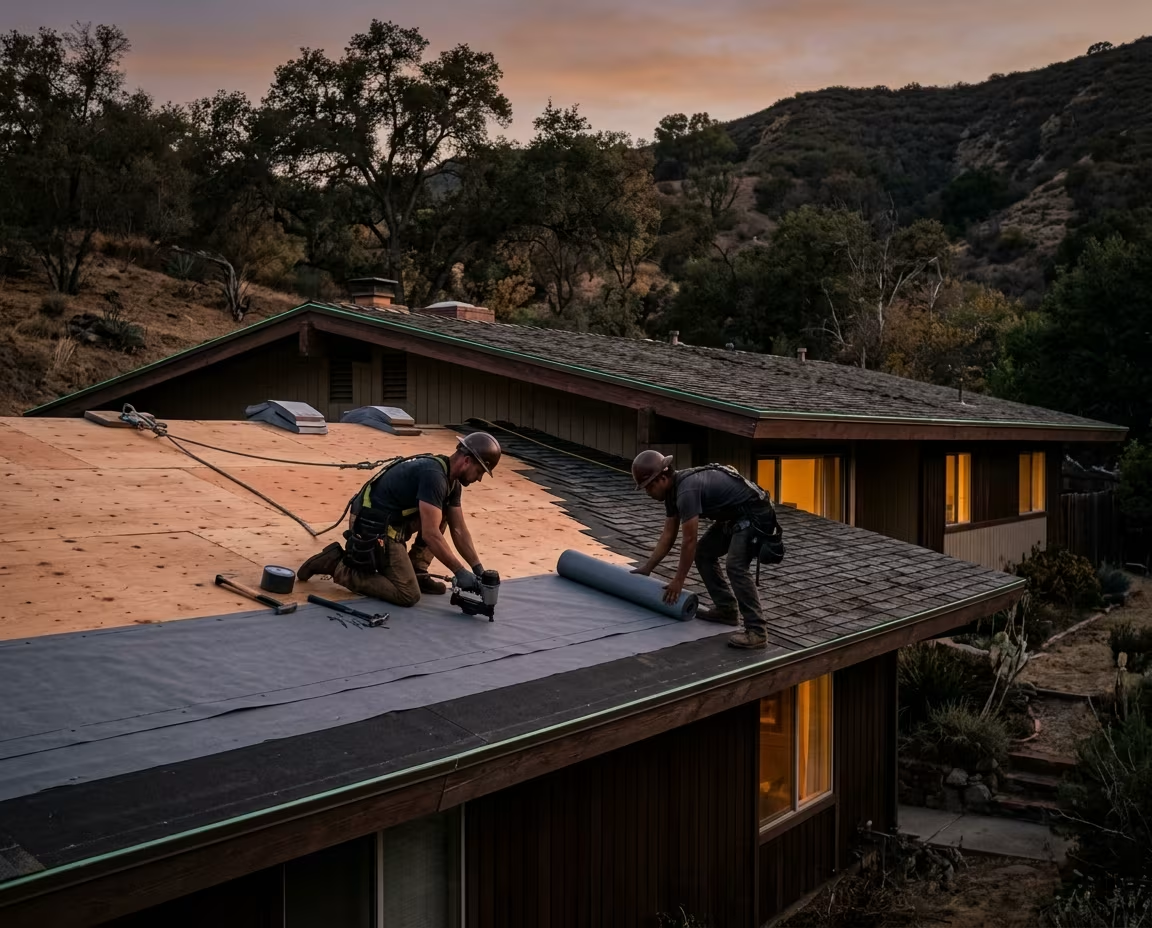
Roofing Woodland Hills houses in this heat is mostly about the layers you will never see again. Every new roof is a stack of them, and the quality of the job lives underneath. Here is what goes back on when we replace a roof, from bare wood to the finished surface, and why each layer earns its place. In a hot climate the underlayment and the attic airflow do more to decide how long a new roof lasts than the covering you see from the street.
Cut-away of a new roof assembly
01
Sound boards
With the old roof gone, every board is inspected and photographed for you. Soft or split boards have to be replaced before the new layers go down.
02
Water barrier
Beneath tile, this membrane does the real waterproofing, and the tile mainly guards it from sun. Once it fails, even flawless tile leaks.
03
Metal at every edge
Most leaks begin at joints, where the roof meets a wall, a valley or an edge. New flashing there has to flex through hot afternoons.
04
Attic airflow
Balanced intake and exhaust let the attic breathe out the heat of the day rather than trap it under the deck.
05
Outer layer
Shingle, tile or membrane, whichever the pitch can carry. Whether a cool roof in Woodland Hills is required on your slope is settled at the permit review.
06
Ember defense
In the fire zone the city code calls for a Class A roof in Woodland Hills, and we add ember-resistant vents.
Read how our roof replacement work runs from the first visit to the final inspection.
House by house
Woodland Hills roofing, matched to the house
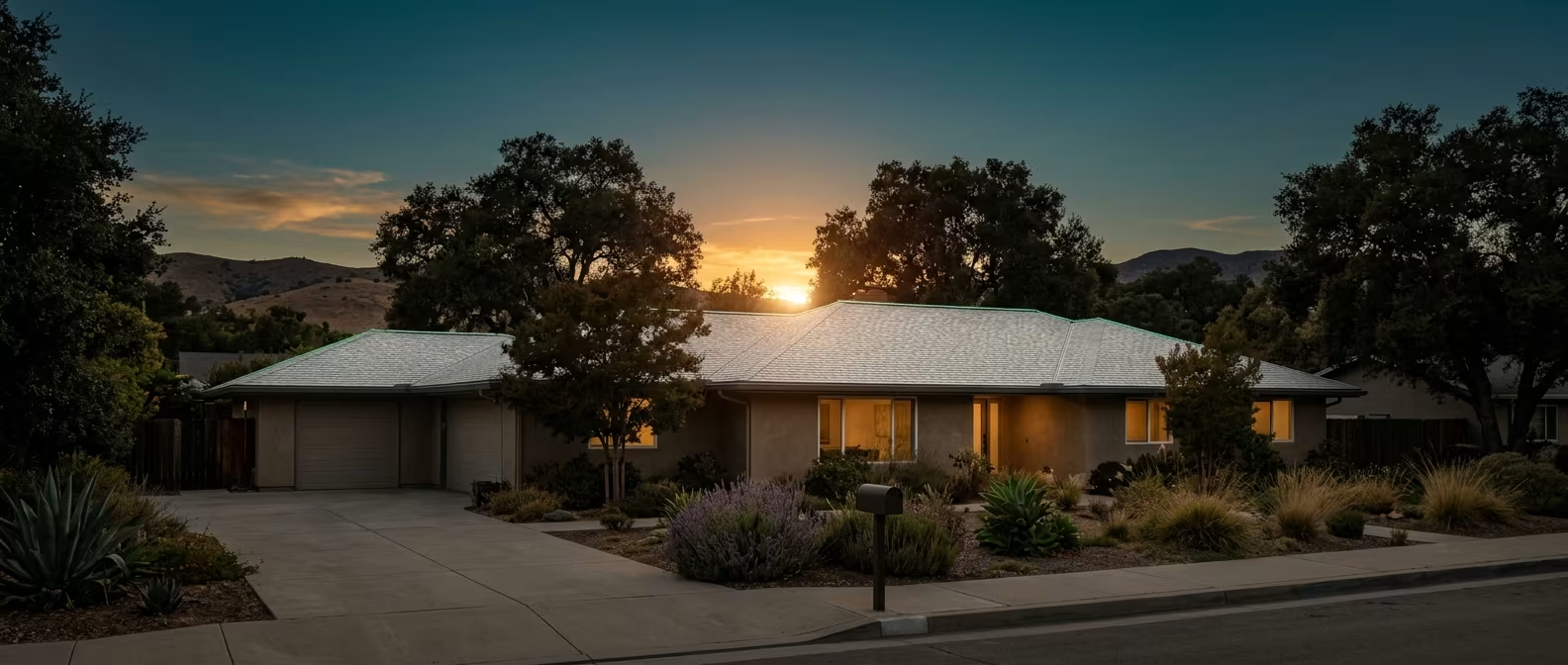
The roofing Woodland Hills houses need varies from one street to the next. A low ranch roof, tile on a hillside lot and a flat roof over apartments each fail in their own way, and Woodland Hills roofing is never one job repeated. Before any product is chosen, we look at three things: the pitch, the fire zone status of the lot and how the building is used.
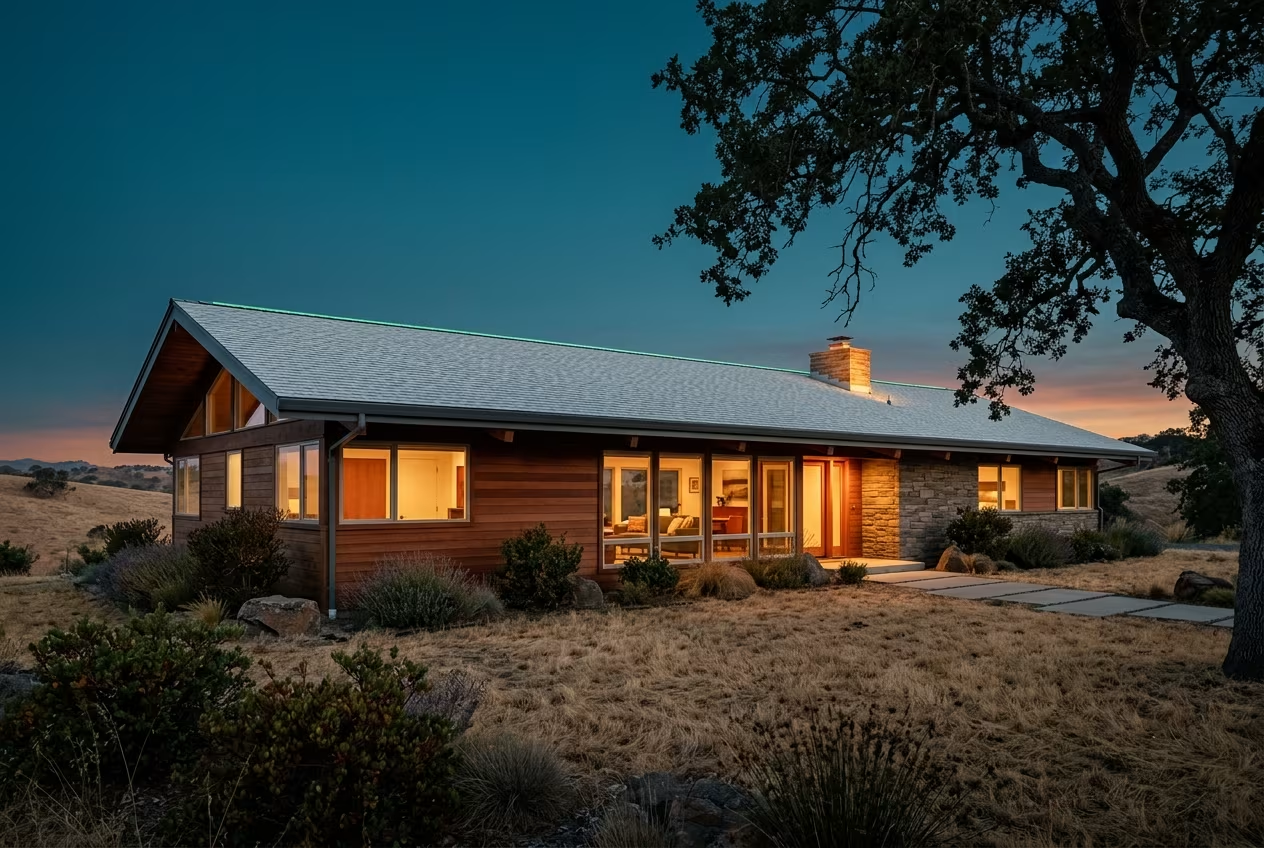
Ranch homes
Low pitch, long eaves
Woodland Hills roofing on streets of mid-century ranch homes means low-pitched roofs and deep eaves. A shallow slope rules certain coverings out entirely, which is why pitch picks the product long before anyone discusses color. Houses from that era are around 60 years old, and the roof may be on its second or third covering; the survey checks for old layers underneath.
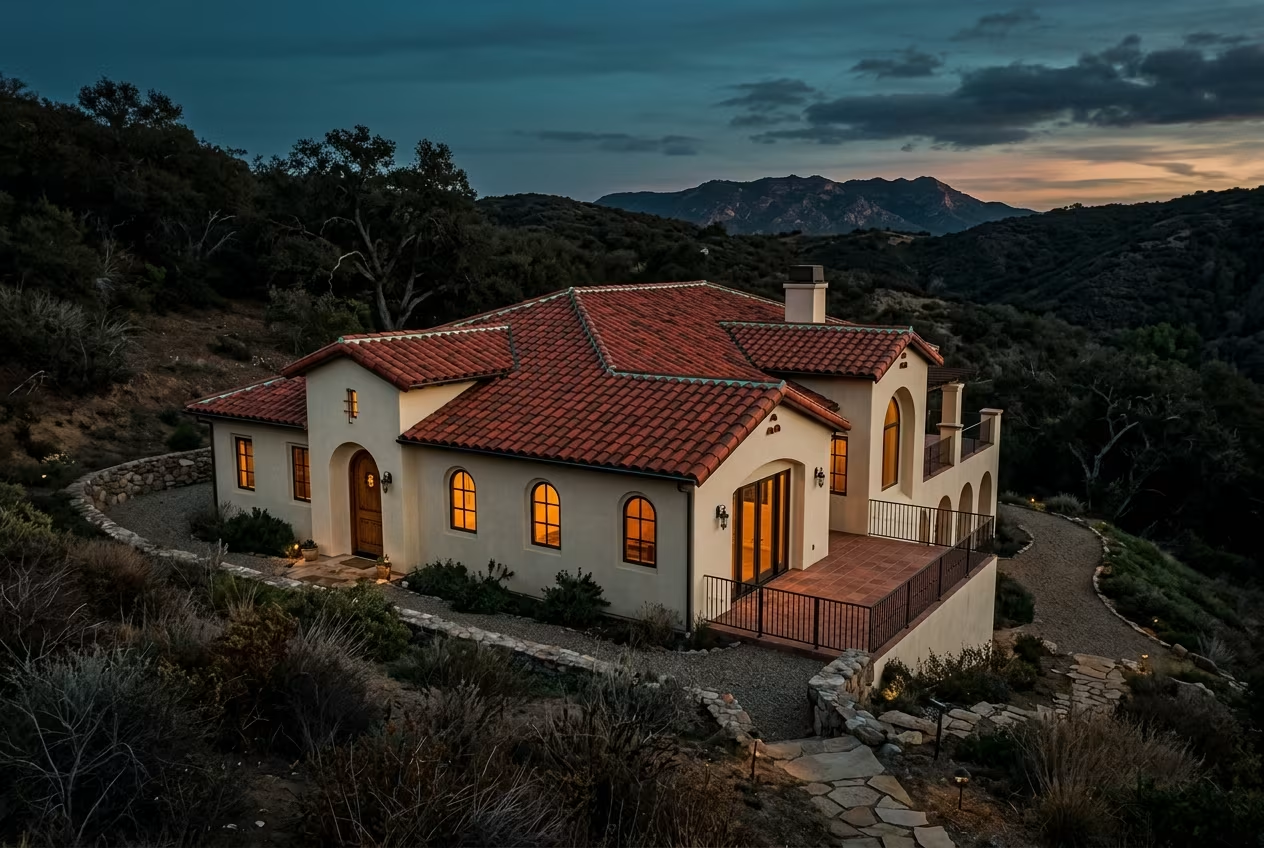
Hillside fire zone
Class A, no exceptions
Hillside lots here can fall inside the Very High Fire Hazard Severity Zone, and there the city code allows only Class A roof coverings, with no wood shakes. Fire maps were redrawn in 2025, and the current one is checked against your address before any scope is written. Wind-blown embers, more than the fire front, are what usually reach a roof, which is why vents and edges get the same attention as the covering.
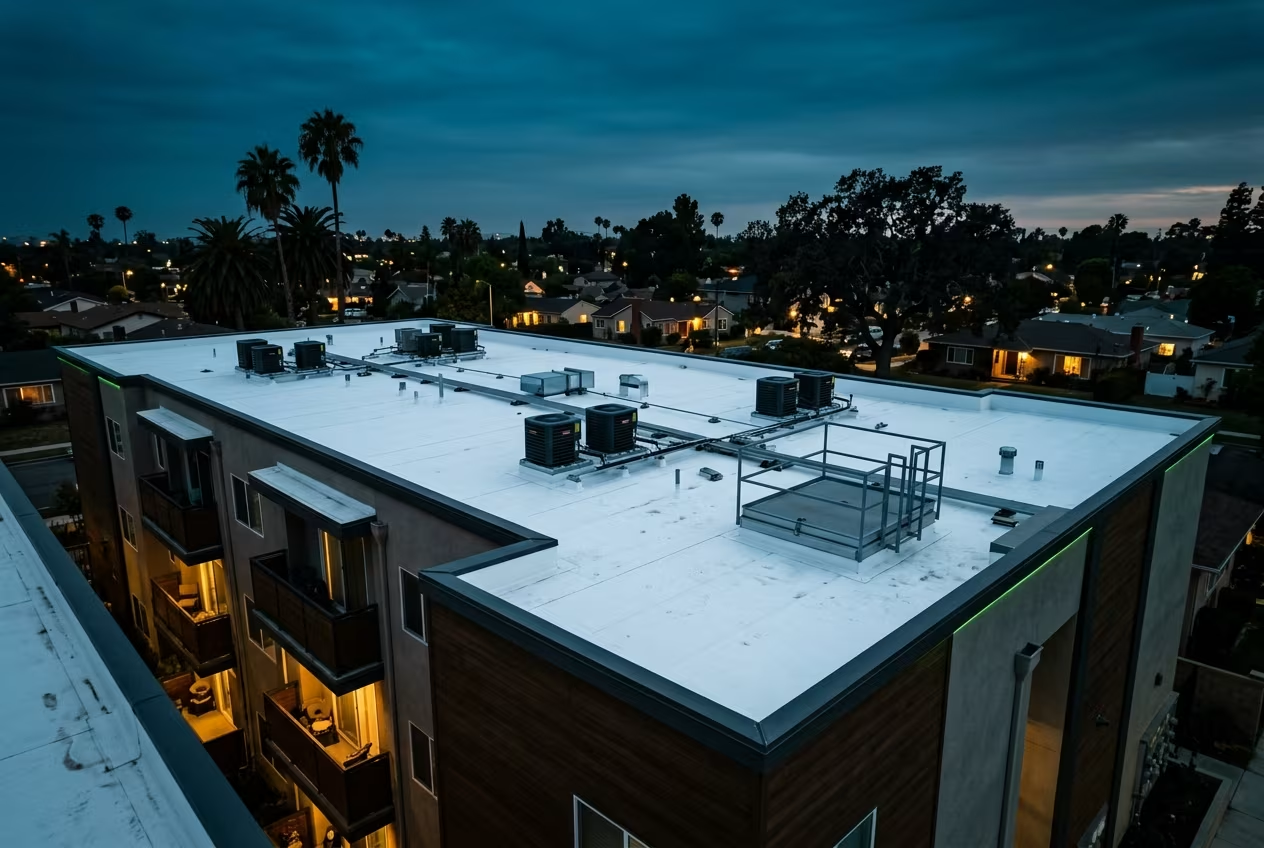
Multifamily buildings
Flat roofs, many tenants
Apartment blocks and office buildings lean on low-slope membranes crowded with rooftop units, and most decisions go through an owner board or a manager. Work is planned around the people living and working below, and larger jobs follow our commercial roofing process. Every rooftop unit adds a penetration, and each one is a place where a leak can start.
Whatever the house, Woodland Hills roof repair starts the same way: a survey of every slope and a written answer. See how our roof repair service handles the smaller jobs.
Seven steps
How our Woodland Hills roofers run every job
Every Woodland Hills roofing job follows the same order, run start to finish by the in-house crew of California Green Roofing, a family-run roofing contractor that answers for everything it builds.
01
First visit
Every slope walked and each problem photographed.
02
Plan on paper
What gets fixed or replaced, which materials, and when, agreed before work starts.
03
Paperwork
We pull the permit to replace a roof in Woodland Hills, so you never stand at the counter.
04
Down to wood
Old layers come off down to the boards, and each board is checked.
05
Installation
Our crew lays the water barrier, sets the metal and vents, then finishes the surface.
06
Sign-off
A city inspector approves the finished roof, and the crew clears away the debris.
07
Twenty years
Our workmanship stays covered for two decades, with the terms in writing.
Roofing Woodland Hills by ZIP
Woodland Hills roofing in 91364 and 91367
Street addresses in Woodland Hills use two ZIP codes, and the line between them says a lot about the roofs. 91364 takes in the central and southern side, including hillside streets where parts of the fire zone lie. 91367 covers the flatter north side, with ranch homes, apartments and office buildings sitting in full sun. Our crews work in both, and the survey confirms which conditions and rules apply to your house, from a small Woodland Hills roof repair to a complete reroof.
ZIP
Area
Exposure
Typical work
91364
Central and south, hills
Hills, partly fire zone
Class A tile and shingle reroofs
91367
North side flats
Flat streets in full sun
Shingle and low-slope reroofs
Questions
Roofing Woodland Hills: permits, fire rules, timing
Ten direct answers on permits, fire rules, timing and repairs, written for homeowners weighing Woodland Hills roofing projects.
Can I replace my roof without a permit?
No. A permit to replace a roof in Woodland Hills comes from the city building department before the old roofing comes off, and the finished job is inspected by the city. We pull that permit ourselves on every reroof, and the paperwork never lands on you. Unpermitted work can surface later, for example when the house is sold, and the rules for a small Woodland Hills roof repair can differ, so ask before any work starts. The final inspection also leaves you a record that the roof was built to code.
Is my home inside the fire zone?
Parts of Woodland Hills are, mostly on the hillside streets. The city fire hazard map settles it address by address, and the state redrew its fire maps in 2025; a house that sat outside the zone a few years ago may be inside it now. Inside the Very High Fire Hazard Severity Zone, the city code requires a Class A roof covering, and wood shakes or wood shingles are off the table there. Woodland Hills roofing in the zone starts with that map, and we check it for your address before the scope is written.
What roof types are most common here?
No single kind of roofing is most common in Woodland Hills. Ranch homes on the flatter streets often carry asphalt shingles on low-pitched roofs, hillside houses tend toward clay or concrete tile, and apartment and office buildings rely on low-slope membranes. Each one ages differently in the heat, which is why every Woodland Hills roofing survey starts by naming exactly what is on the house and how old it is. A low pitch also narrows the choice of covering, because some products are only rated for steeper slopes.
How long does a roof replacement take?
The work on the roof itself usually takes days rather than weeks. Most of the calendar for Woodland Hills roofing goes to the steps around it: the survey, the written scope, the permit and the final city inspection. Time on the roof depends on its size, its pitch and the covering, and tile or a soft deck adds days. Your scope sets the schedule before anything begins, and you know when the crew arrives, when the old roof comes off and when the inspector is due.
When is roof leak repair enough?
When the leak has one clear source and the decking around it is sound, a Woodland Hills roof repair on that section is the right call, and the new work is tied into the old. A typical roof repair Woodland Hills homes need starts where two surfaces meet, at flashing, valleys and vents. When wear shows on every slope, patching only moves the problem, and we say so plainly. On tile, a broken piece can be fixed, but a spent underlayment has to be renewed across the whole roof.
Has my tile underlayment failed?
The clearest sign is water indoors with no visible damage outside: a ceiling stain, a damp attic board or a drip after heavy rain. An older roof, or slipped and cracked tiles, make it more likely. The only way to be sure is to lift a few tiles and look at the layer itself. If it is spent, patching one spot will not hold; the underlayment is renewed across the whole roof, usually with the same tile going back on.
What does a Class A roof mean?
Class A is the highest fire rating a roof covering can earn in the standard fire tests, and it means the roof resists severe fire exposure from outside the house. Many tile, asphalt shingle and metal products reach Class A on their own or as part of a rated assembly. In the fire zone it is the rule; outside it, a Class A roof in Woodland Hills is still a sensible choice for any house near open brush. Class A says nothing about how a roof handles heat, and the fire rating and the color of the surface are separate choices.
Do I need a cool roof?
It depends on the slope of the roof, the size of the job and the energy rules in force when you reroof, and the permit review settles it for your house. Where a cool roof is optional, it is still worth weighing on the sunniest slopes: a reflective, cool-rated surface runs cooler in the afternoon, which eases the heat load on the attic and the layers beneath. A cool roof in Woodland Hills comes in light shingle and tile colors as well as white membranes, and cool-rated products carry a label from the Cool Roof Rating Council.
What does a roof inspection include?
Our roof inspection walks every slope, checks the flashing, vents and edges, and photographs each problem it finds. On tile, a few pieces may be lifted to see the layer beneath. You get the findings with photos and a plain recommendation before any Woodland Hills roof repair is proposed. It is also a sensible first step when you are buying or selling a house and want to know how much life the roof has left.
Is your roofing company licensed?
Yes: our license is CSLB #1100046, we carry a bond and insurance, and every job comes with a 20-year workmanship warranty in writing. You can look the license up on the public search page of the Contractors State License Board before you sign anything, and it is worth doing the same with any Woodland Hills roofing company you consider. Ask for proof of insurance as well, because a license number alone does not show current coverage.
Roofing Woodland Hills, step one
Book a survey with a Woodland Hills roofing company
Send a few lines about the house and the problem you have noticed. Our crew will arrange a visit, inspect every slope and follow up with a written scope that says plainly whether Woodland Hills roof repair or a new roof makes sense, and why. The more you tell us about when the problem shows up, after rain or on hot afternoons, the faster the survey can find it.
Survey request // Woodland Hills roofing
Phone
Serving
Woodland Hills, California
License
Bonded, insured, CSLB #1100046
Open daily
7:00 AM to 10:00 PM